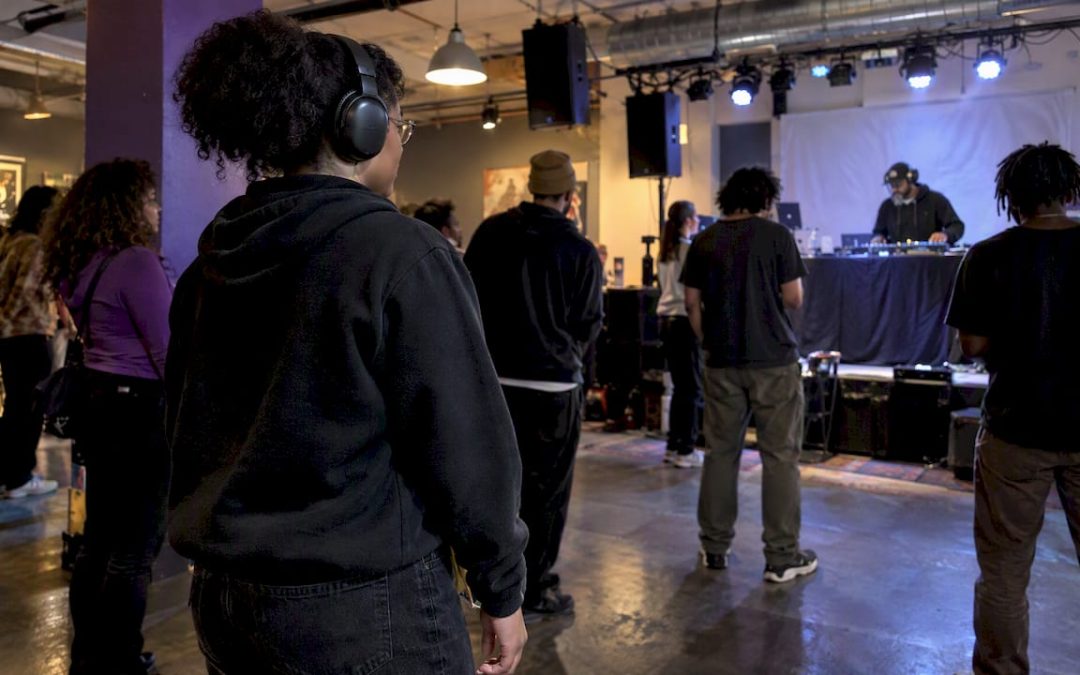
Sensory friendly concerts are live shows adjusted so people with autism, sensory processing differences, or noise sensitivity can enjoy the music without being overwhelmed. Expect lower and steadier volume, softer lighting, freedom to move or leave, and a quiet place to reset. Most are run by orchestras and family venues, they are often free or low cost, and they welcome everyone, not only kids.
We throw big, loud, packed hip hop parties, so we think a lot about what a crowd needs to feel comfortable. This guide covers what a sensory friendly show really looks like, how to find one, and how to get through a regular loud event on your own terms.
TL;DR
- A sensory friendly concert changes the environment (sound, light, rules) so that moving, stimming, and stepping out are all fine.
- They are designed for all ages, and anyone with a sensory sensitivity is welcome, not only people with an autism diagnosis.
- The most useful tool is often a preview of the day, called a social story, because knowing what happens next lowers anxiety.
- If no sensory friendly show is near you, you can still build a lower-stress night with earplugs, a planned exit, and the right spot in the room.
- Search for “relaxed performance” as well as “sensory friendly”, because venues use both terms.
Table of Contents
- What makes a concert sensory friendly
- Sensory friendly, relaxed, and inclusive: what the labels mean
- How to find sensory friendly events near you
- Sensory friendly events beyond the symphony hall
- Plan the day: a simple checklist
- What the law covers, and what it does not
- When there is no sensory friendly show: lower-stress at a loud one
- Our perspective
- Where our events fit in
- FAQ
- Sources
What makes a concert sensory friendly
The label means the venue has changed the experience on purpose. The Nashville Symphony describes tailored performances with relaxed house rules: no shushing, movement allowed, lighting dimmed rather than fully dark, and reduced, consistent sound levels.
The Boston Symphony Orchestra lists a similar package: relaxed house rules, reduced volume and lighting, extra room to move, noise-reduction headphones, a designated quiet room, and volunteer autism therapists on site. It also says these concerts are for people of any age with an autism spectrum disorder or sensory sensitivity, plus their families.
Control and predictability matter more than silence
A common assumption is that these shows are quiet. They are not silent. What they offer is control. A social story, a visual or written walkthrough from arrival to departure, is often more calming than lowering the volume alone, according to the Nashville Symphony’s resources. If a venue offers one, read it the night before.
Common features at a glance
| Feature | What it does for you |
|---|---|
| Social story or preview guide | Shows what to expect from entry to exit |
| Dimmed, not dark, lighting | Reduces glare and flashing while keeping the room safe to navigate |
| Consistent volume | Avoids sudden spikes |
| Noise-reduction headphones | Lets you adjust your own level |
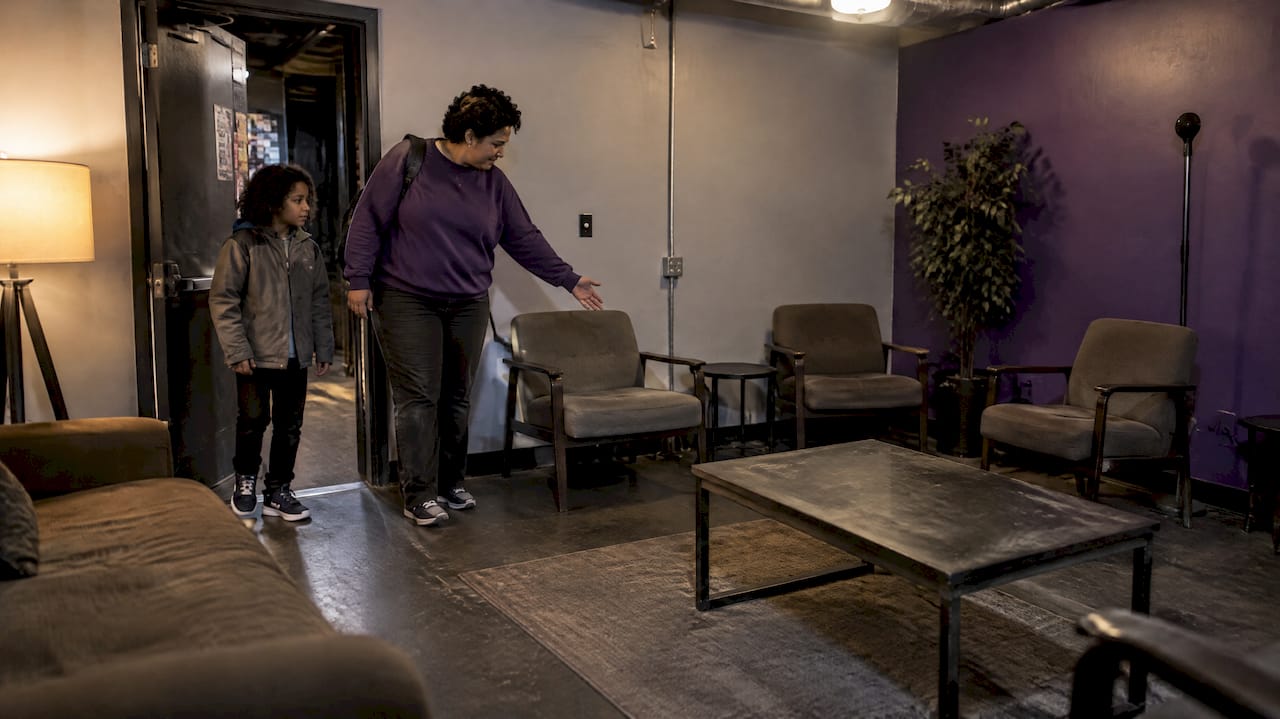
| Quiet room or lobby | Gives a place to regulate and come back |
| Freedom to move, talk, or leave | Removes the pressure to sit still |
| Sensory kits and fidgets | Gives your hands and attention something to do |
Pricing is usually gentle. The Minnesota Orchestra, for example, listed a spring concert that was free for listeners under 18 and $7 for adults, though that was a past event, so always check the current listing.
Sensory friendly, relaxed, and inclusive: what the labels mean
You will see several terms. They overlap, but the details differ.
- Sensory friendly: Aimed at autistic people and anyone with sensory sensitivity. Usually includes a quiet room and reduced sound and light.
- Relaxed performance: Same spirit, often for theater and music. The audience can make noise, move, and come and go.
- Autism-friendly: Often a family-focused version with trained volunteers.
- Accessible: A broader word. It can cover ramps, seating, ASL interpretation, captioning, and sensory supports. It does not always mean low-stimulation.
When the listing is vague, email the venue. Ask three things: Will the volume be reduced? Is there a quiet space? Can I come and go freely?
How to find sensory friendly events near you
Most listings sit in a few predictable places.
- Orchestras and symphonies. They are the most consistent providers. Pittsburgh Symphony Orchestra has a sensory-friendly page with its program details. The Milwaukee Symphony, for instance, lists dedicated sensory friendly concerts with venue and details on the event page.
- Children’s museums and science centers. Some run recurring quiet mornings. The Museum of Discovery & Science, for example, hosts a monthly free sensory-friendly Sunday morning.
- Theaters and performing arts centers. Search “relaxed performance” plus the venue name.
- Festivals. Larger festivals are catching up. AccessNow reports that major festivals including Coachella, Lollapalooza, SXSW, and Glastonbury have started adding accessibility features such as viewing platforms and accessible camping. Check each festival’s accessibility page for chill-out spaces and sensory bags.
- Local event platforms. Community listings often show smaller shows and workshops, and some cover how live music venues plan for access. This guide to Denver’s music festivals and local shows is one example of how local scenes can be browsed by hosts and creators.
Search tips that save time
- Try “sensory friendly” and “relaxed performance” with your city name.
- Add “social story” or “quiet room” to narrow to venues that have prepared supports.
- Follow the accessibility page of your local venue, since these shows are often announced with little lead time.
- If you want a show without age limits, our guide to finding all ages concerts in your city shows search strings and alerts that work here too.
Sensory friendly events beyond the symphony hall
The term “events” is broader than concerts. Readers searching for sensory friendly events are often looking for family outings, museum mornings, or a first step into live music that does not feel risky. Start small. A daytime show of an hour, in a hall with a quiet room, is a gentler first test than a three-act club night.
If you are planning for a child or a family member, treat the first outing as practice. Arrive early, find the quiet room before the show starts, sit near an aisle, and decide in advance that leaving at minute 20 is a fine result.
Plan the day: a simple checklist
The week before
- Read the venue’s accessibility page and download any social story.
- Confirm whether headphones are loaned or whether to bring your own.
- Check the ADA ticketing basics if you need accessible seating or companion seats.
The night before
- Walk through the social story, or the venue’s photos, with whoever is attending.
- Pack comfort items: fidgets, a favorite hoodie, snacks, water. The BSO FAQ says you are welcome to bring items that help someone stay calm.
On the day
- Plan travel so you are not rushed. Our piece on concert parking and exit routes explains why a short walk to your car beats a long wait in a garage.
- Arrive early. Many sensory friendly shows offer early entry or pre-show activities so the transition is slower.
- Find the quiet room, restrooms, and exits before you sit.
What the law covers, and what it does not
The Americans with Disabilities Act Title III requires public accommodations and commercial facilities to meet accessibility standards. The ADA Title III guidance includes dispersed accessible seating, companion seats, and barrier-free routes to restrooms and concessions. These rules mostly address physical access. They do not require a venue to run a low-stimulation show, so sensory friendly programming is a choice venues make beyond the baseline.
If you need accommodations, contact the venue before you buy and ask in writing. We cover how this works in our guide to buying ADA concert tickets.
When there is no sensory friendly show: lower-stress at a loud one
Sometimes the show you want is a standard one. You can still take control of your night.
Protect your ears
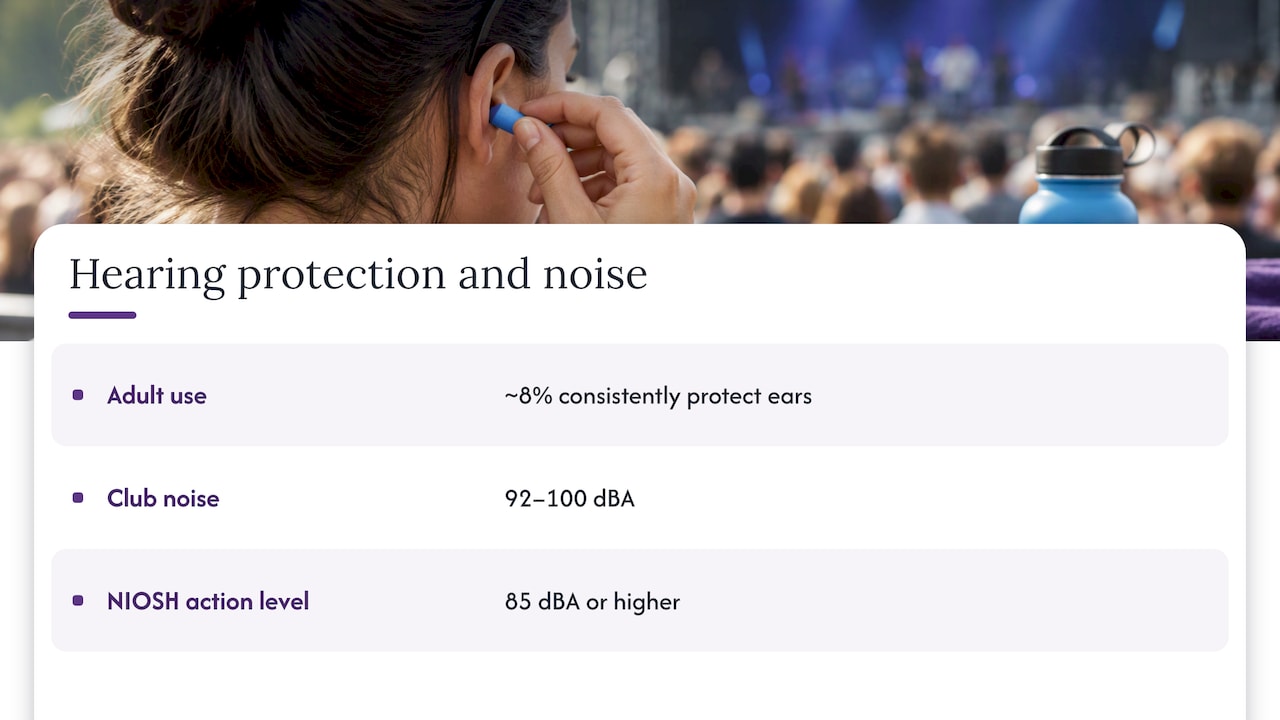
Loud music is a real hearing issue, not just a comfort one. A CDC report found that only about 8% of U.S. adults consistently use hearing protection at loud athletic or entertainment events. The same report notes noise in music clubs commonly runs from about 92 to 100 dBA. NIOSH recommends taking protective steps at 85 dBA or higher, such as limiting time and using earplugs or earmuffs, as its noise-exposure bulletin explains.
For a practical look at where to stand and sit to ease the sound, see this guide to concert seats that protect your hearing. Then add a pair of earplugs rated for music. They lower volume without muffling it into mush, and they are small enough to carry everywhere. If you have a medical condition or ringing in your ears, ask an audiologist or your doctor which protection fits you.
Pick your spot
Speaker stacks are the loudest part of the room. Standing off to the side or toward the back keeps you in the music with less pressure on your ears. If you do want the front, our standing room only tips explain how people get up close without chaos.
Build in a retreat
Lobbies, restrooms, and entryways can be overwhelming too. Experts recommend dedicated low-stimulation spaces away from the main area. At a standard show you can create your own: note a quieter patio, a hallway, or a spot outside, and agree on a signal with the person you came with.
Handle the practical stress
A lot of concert anxiety comes from logistics, not music. Missing ID, a cashless surprise, and food rules all add up. Short reads on ID requirements, cashless events, and food at concerts remove a few of those surprises before you leave home. Coming alone? Our solo concertgoer tips help you find your people safely.
Our perspective
We started Slappers N Bangers in Pittsburgh in 2015 to give hip hop and rap fans a room that wanted them there. Our events are built on experienced DJs reading the crowd and a packed, energetic dance floor. That energy is the point, and we know it is not the right fit for every sensory profile on every night.
What we have learned is that community comes from people feeling free to be themselves. The same idea sits underneath sensory friendly programming: remove the judgment, let people move and express themselves their own way, and be clear about what to expect. We think every organizer, loud or quiet, can borrow from it: share information early, mark exits, give people room to step back, and listen to attendees who tell you what is hard.
If you are a regular at louder shows, treat comfort as part of the night, not a compromise. Earplugs, a plan, and a good spot on the floor let you stay for the whole set.
— Slappersnbangers.gmail.com
Where our events fit in
If you love hip hop, R&B, and trap and want to see how a Pittsburgh crowd moves, see what is on at our events page, where the current August SNB: 400 Degreez is listed, or browse our anniversary releases and limited edition merch. Our shows are high energy, so use the earplug and positioning tips above and check the event page for details before you go.
FAQ
What are sensory friendly shows?
They are performances adapted for people with autism or sensory sensitivities. Typical changes include reduced sound and lighting, relaxed rules about movement and noise, and a quiet room. Everyone is welcome, and they are designed for all ages.
Are sensory friendly concerts only for children?
No. Orchestras such as the Boston Symphony and Nashville Symphony say these programs are for people of any age. Many are marketed to families, so look for listings that say “all ages” or “adults welcome” if you are attending without kids.
How can I tell if a concert will be too loud for me?
Ask the venue about typical volume and whether quieter seating exists. Bring earplugs made for music, since NIOSH suggests protective steps at 85 dBA and above. If you have a hearing or sensory condition, talk to your doctor or an audiologist about the right protection.
Do sensory friendly concerts cost extra?
Usually they cost less. Many are free or low cost, and some charge a few dollars for adults. Prices change with each event, so check the venue’s current listing.
Sources
- Nashville Symphony: Sensory Friendly
- BSO: Sensory-Friendly Performances
- Minnesota Orchestra: Relaxed Family & Sensory-Friendly Concerts
- Pittsburgh Symphony Orchestra: Sensory-Friendly
- Milwaukee Symphony Orchestra: Sensory Friendly Concert
- Museum of Discovery & Science: Sensory-Friendly Sunday Mornings
- AccessNow: AccessFest 2026, Setting a New Festival Standard
- ADA Title III
- CDC MMWR: Use of Personal Hearing Protection Devices at Loud Events, 2018
- NIOSH Science Bulletin: Understanding Noise Exposure Limits