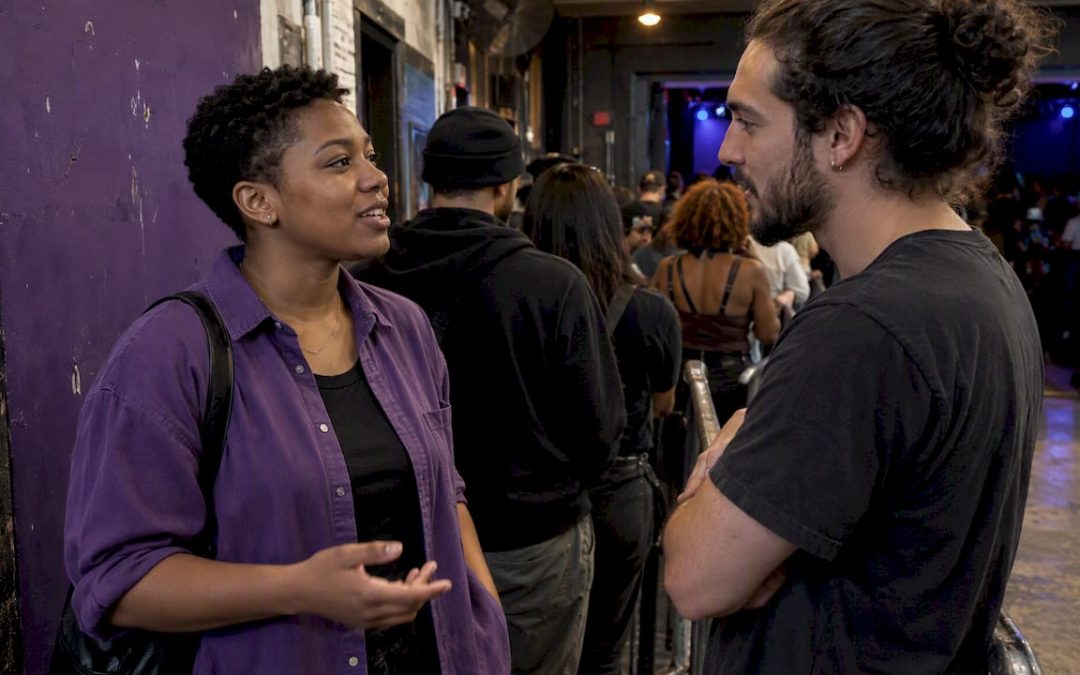
The best way to meet people at a concert is to use the moments everyone is already sharing: the GA queue, the merch table, and the gap between sets. A quick compliment on someone’s shirt, a question about the opener, or an offer to snap a photo opens the door fast. Pre-show meetup apps and a few safety habits make the whole thing easier for solo attendees.
TL;DR:
- Use specific music references at the merch table, such as an album or tour design, then ask how long the person has followed the artist.
- Save contact exchanges for between sets or after the show, when conversation is easier; brief replies or someone turning away signal you should disengage.
- Choose festivals for intense social energy, but favor repeat attendance at local venues if you want friendships with people you can see again.
- For app meetups, choose a public spot near the entrance, keep the first meeting brief, tell a friend, and withhold home and financial details.
Table of Contents
- Quick shortlist: best places and moments at a show to meet people
- General admission (GA) queue: why it works and what to say
- Merch table and outfit compliments as effective icebreakers
- Between sets and post-show: the best windows for real conversation
- Bar and drink queues: repeated low-effort openings
- Offer to take a photo: a generous, quick opener
- Bring or trade small items and rituals to create a reason to connect
- Festivals vs local shows: which builds longer-lasting friendships?
- Apps and pre-show meetups: safely arranging to meet before doors
- Practical safety checklist and timing for exchanging contact details
- Participating in interactive activities or workshops at concerts to meet like-minded people
- Joining fan clubs or online community groups related to the performing artists before the event
- Strategies for following up and nurturing connections made at concerts
- How to approach people respectfully respecting personal space and boundaries in crowded settings
- A merch table compliment that turned into a regular crew
- Find your people at an SNB night
- FAQ
- Sources
Quick shortlist: best places and moments at a show to meet people
A few spots at any venue consistently produce the easiest conversations, because everyone there already wants the same thing you do: to talk about the music.
- GA queue: ask what song they’re hoping to hear, or if they’ve seen the band before.
- Merch table: compliment a specific shirt, patch, or tour design.
- Between sets: debrief the opener or ask what they thought of the support act.
- Bar queue: comment on the line or ask for a drink recommendation.
- Offer to take a photo: a five-second favor that naturally leads to a handle exchange.
- Entrance, exit, or food trucks nearby: low-pressure spots for a follow-up chat once the show ends.
General admission (GA) queue: why it works and what to say
Waiting in line removes the pressure of a real icebreaker, because you already have a shared context: you’re both there, you both have time, and you’re both anticipating the same show. Research on collective effervescence found that the shared energy of a live music crowd predicted meaning in life and continued happiness well after the event ended, across four studies with 789 participants. That sense of connection often starts forming before doors even open.
Three lines that work reliably: ask what song they’re hoping to hear, ask if they’ve caught this artist live before, or ask what they thought of the opener if it’s already been announced. Keep the chat bounded. A few minutes of line conversation is plenty; save the deeper exchange, like swapping contact info, for between sets or after the show.
Pro Tip: Watch for repeat cues, like a shirt from an earlier tour or a sticker-covered water bottle. Those are easy openings to ask about their concert history and go deeper.
Merch table and outfit compliments as effective icebreakers
A generic “cool shirt” rarely goes anywhere. A specific compliment does, because it signals you actually know the catalog and gives the other person something concrete to respond to.
- Reference an album, a tour year, or a design detail: “Is that the 2019 tour shirt? That’s a hard one to find.”
- Avoid vague lines like “nice shirt” or “I like your style,” which read as filler.
- Follow up with a quick question about how long they’ve followed the artist, which naturally extends the conversation past the first exchange.
If you’re figuring out what to wear yourself, our guide to indoor concert outfits covers looks that hold up in a packed room while still giving people something to notice and comment on.
Between sets and post-show: the best windows for real conversation
The gap after a set, or right as the show ends, is often the most open window of the night. The music has stopped, the crowd’s energy is still high, and everyone around you just had the same experience you did. That shared recent memory makes conversation easier than trying to shout over a live set.
Simple prompts work best here: “What did you think of that song they opened with?” or “Are you sticking around for the next show at this venue?” If the chat is going well, suggest meeting up again later that night or mention another local show you’re planning to attend. After-show routines, like heading to food trucks or walking the same exit path, often produce a second chance to talk even if the first conversation felt too short.
Bar and drink queues: repeated low-effort openings
Bar lines move slowly, which gives you a built-in excuse to talk. Ask for a drink recommendation or make a light comment about how long the line is. These are low-stakes enough that most people will respond, even if they’re not looking to chat much.
Pay attention to the response. One-word answers or a turned-away posture usually mean it’s time to let it go gracefully. If the exchange flows, suggest catching up between sets or trading a quick way to stay in touch for the rest of the night.
Offer to take a photo: a generous, quick opener
Offering to take someone’s photo is one of the fastest ways to start a conversation, because it’s a small favor rather than a pickup line. Keep it simple: “Want me to grab a photo of you two with the stage in the background?” Frame it wide enough to catch the lighting rig or banner behind them, which usually makes for a better shot than they’d get on their own.
Once you hand the phone back, that’s your natural window to ask for an Instagram handle so you can send a backup shot. Never walk off holding someone’s phone, and offer to send the photo right away so there’s no reason to feel uneasy about the exchange.
Bring or trade small items and rituals to create a reason to connect
Small, shareable items give people a physical reason to talk to you. Festival-style trading has built a tradition around items like beaded bracelets or stickers, and the same idea works at smaller shows. Offering one costs you almost nothing and gives the other person a keepsake to remember you by, which makes a later “hey, I still have that bracelet” message feel natural instead of random.
Check the venue’s policies before bringing anything, and skip items that could be mistaken for something else in a crowded space.
Festivals vs local shows: which builds longer-lasting friendships?
Festivals create fast, intense bonds. You’re packed shoulder to shoulder for a full day or weekend, and that compressed time can produce real connection quickly. The catch is that those friends often live far apart, which makes staying close harder once the weekend ends.
Local shows work differently. According to Muse’s guide to making concert friends, smaller local venues and repeat attendance tend to build more lasting friendships than festivals, since you keep running into the same faces at the same spots. If your goal is a big weekend of social energy, lean into festivals. If you want people you’ll actually see again, local shows and regular attendance at the same venues pay off more over time.
Apps and pre-show meetups: safely arranging to meet before doors
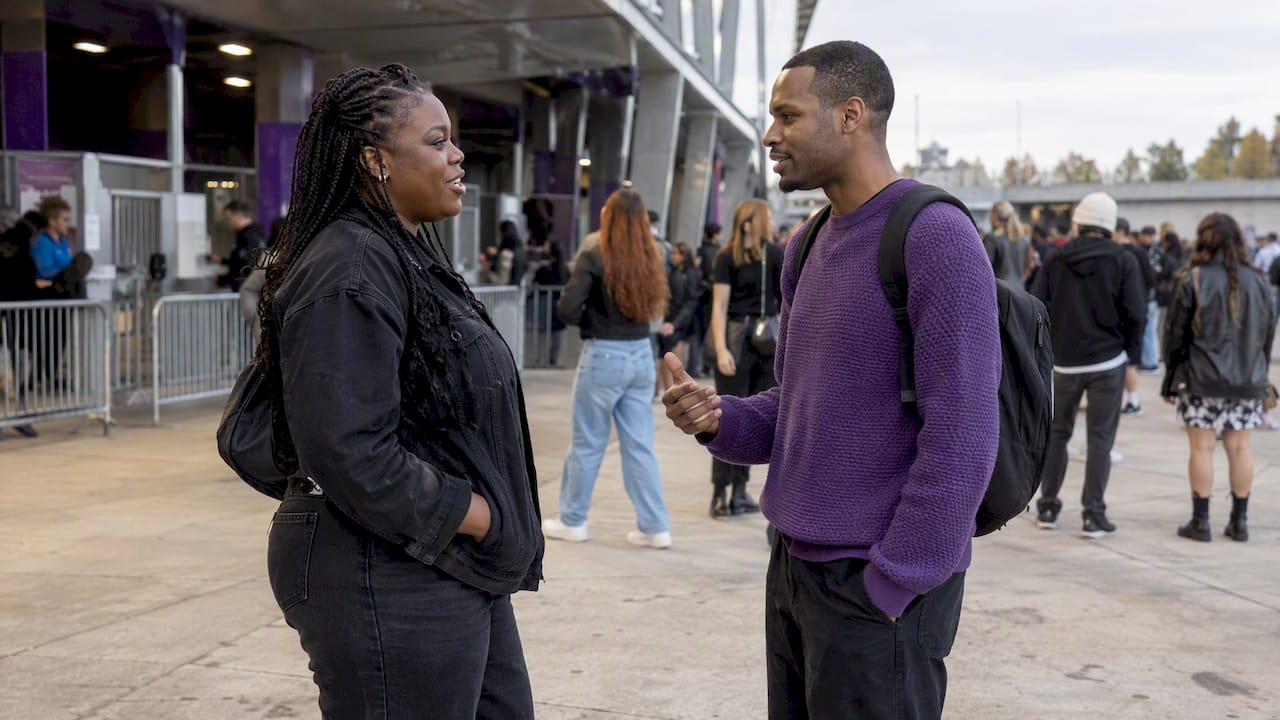
Cold approaches aren’t the only option anymore. Apps built specifically for concertgoers let you browse upcoming gigs, see who else is going, and chat before the show instead of hoping you spot a friendly face in line. Muse works this way: find your gig, see who’s attending, join a crew, and arrange a meeting spot near the doors.
Once you’ve chatted a bit in the app, move the plan to a specific public meeting point, like the main entrance or a landmark near will-call. Keep the first meetup short and public. Basic screening matters here too: check a profile’s activity, stick to venue grounds for the first meeting, and don’t share your exact home address or financial details before you’ve actually met in person.
Practical safety checklist and timing for exchanging contact details
A little structure keeps the whole process low-risk; for event planners and attendees alike, following an event safety guide for planners helps ensure a secure and enjoyable experience. Festival organizers build entire safety systems around this idea: Lollapalooza’s safety guidance includes visible security presence, entry searches, clear harassment policies, and designated guest-services points for anyone who gets separated from their group or needs help.
A few habits make meeting people in person safer for you, too:
- Meet in public areas of the venue, never somewhere isolated.
- Tell a friend or family member your general plan for the night.
- Hold off on sharing your address or financial details until trust is established.
- Time any contact exchange for between sets or after the show, when there’s less rush and less noise.
The research behind this is solid: live music reliably produces collective effervescence, a shared emotional high that research ties to lasting positive outcomes, which is part of why concerts make such fertile ground for new connections in the first place.
For a deeper breakdown of meetup safety habits, this guide on safety tips for in-person meetups covers time-boxing meetings and using a buddy system, both of which translate directly to concert settings.
Participating in interactive activities or workshops at concerts to meet like-minded people
Plenty of shows and festivals now build in activities beyond the main stage: dance workshops, art installations, vendor markets, or fan Q&A sessions before doors open. These spots pull in a smaller, more self-selected crowd, which makes conversation easier than shouting over a headliner. If you’re at a festival with a side stage or workshop tent, stopping by for even fifteen minutes puts you in a room with people who share a specific interest, whether that’s a dance style or a particular subgenre.
The dance floor itself works the same way. Shared movement lowers the barrier to talking because you’re already doing something together instead of standing stiffly next to a stranger. A simple comment like “that drop was insane” after a big moment in the set often lands better than trying to start a conversation from scratch. If a venue or festival runs a scratch workshop, a listening session, or a meet-the-DJ event, those smaller gatherings tend to draw people who are there specifically to connect, not just to watch.
Keep an eye out for these add-ons when you’re buying tickets. Festivals in particular tend to list workshop schedules alongside the main lineup, and showing up for even one gives you a built-in reason to talk to the people standing next to you.
Joining fan clubs or online community groups related to the performing artists before the event
Showing up to a concert already connected to a few other fans changes the whole night. Most touring artists have active fan communities on Discord, Reddit, or Facebook, and checking in with one of these groups before a show is a low-effort way to find people who’ll be at the same event.
Posting something simple, like which section you’ll be in or what time you’re planning to arrive, often turns into a small group meeting up in person before doors. These groups also tend to share practical details, like setlist predictions or merch drop times, which gives you more specific things to talk about once you’re actually there. If a group organizes a pre-show meetup at a nearby bar or coffee shop, that’s often a lower-pressure way to meet people than approaching strangers cold in line.
The same logic applies after the show. Staying active in these communities means the people you meet at one concert are easy to reconnect with before the next one, since you’re all already in the same digital space.
Strategies for following up and nurturing connections made at concerts
The conversation you have at a show is only the first half. Following up while the show is still fresh can help turn a quick concert chat into an actual friendship.
A simple message referencing something specific from the night, like the encore song or a moment you both laughed about, works better than a generic “nice to meet you.” If you traded a small item like a bracelet or sticker, bringing it up gives you an easy, natural reason to reach out. From there, suggesting a specific next show, even a small local one, turns a one-time interaction into a recurring one.
Staying loosely connected online, through a shared fan group or just following each other, keeps the door open without requiring constant effort. The goal isn’t to force a close friendship overnight. It’s to keep enough of a thread going that running into each other at the next show feels familiar instead of starting from zero.
How to approach people respectfully respecting personal space and boundaries in crowded settings
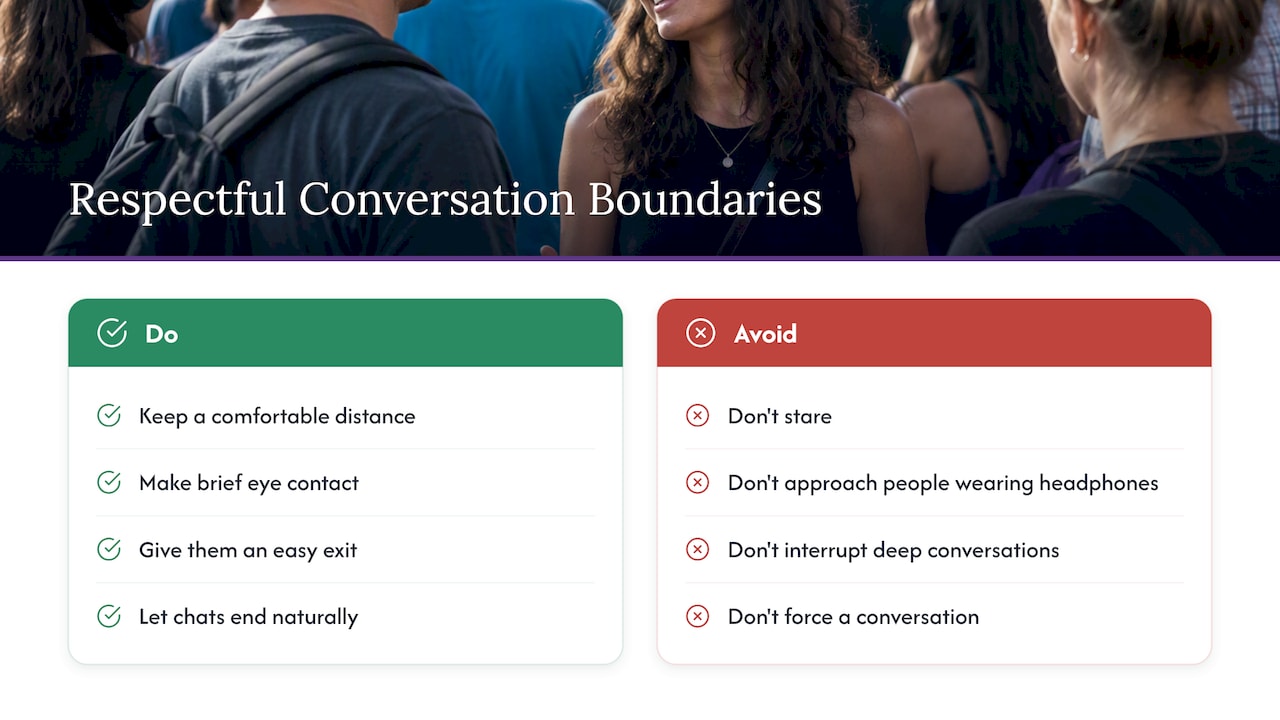
Crowded venues compress personal space already, which means your approach matters more than it would elsewhere. Keep a comfortable distance when you start talking, make eye contact briefly rather than staring, and give the other person an easy way to end the conversation if they’re not interested.
Pay attention to body language before you even open your mouth. Someone facing away from you, wearing headphones, or deep in conversation with a friend is signaling they’re not looking to meet someone new right now, and that’s worth respecting without taking it personally. If you’ve approached someone sober and are navigating a bar line or crowd while managing your own drink choices, our tips for handling drink pressure at shows cover how to stay comfortable and set boundaries in those closer-contact moments.
A short, friendly exchange that ends naturally is a win, even if it doesn’t turn into a lasting connection. Forcing a conversation past the point where someone’s clearly ready to move on tends to leave a worse impression than just letting it go.
A merch table compliment that turned into a regular crew
At a small local show a few years back, a compliment on a faded tour shirt turned into a two hour conversation about the band’s early albums, and that person still texts before every show in the area. The takeaway holds up every time: specificity beats small talk. At packed shows, one comment about a shirt or a shared favorite song can turn strangers into regulars.
— Slappersnbangers@gmail.com
Find your people at an SNB night

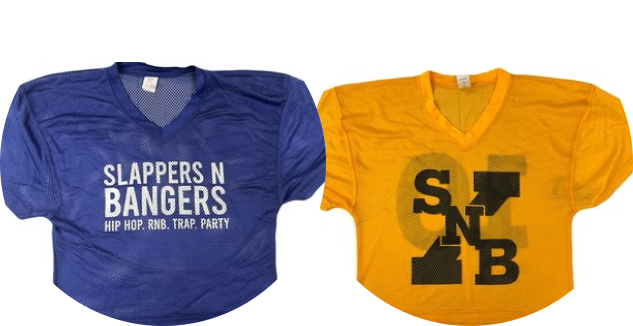
Every tactic in this piece can work well in a room built for this kind of connection, and that’s the room we build when we throw a show. Our nights are DJ-driven hip hop, R&B, and trap sets designed around a packed, community-focused dance floor rather than a passive crowd watching a stage.
- Expect a floor full of people who showed up specifically for the culture, not just background noise.
- DJs read the room and keep the energy high enough that conversation starts naturally between songs.
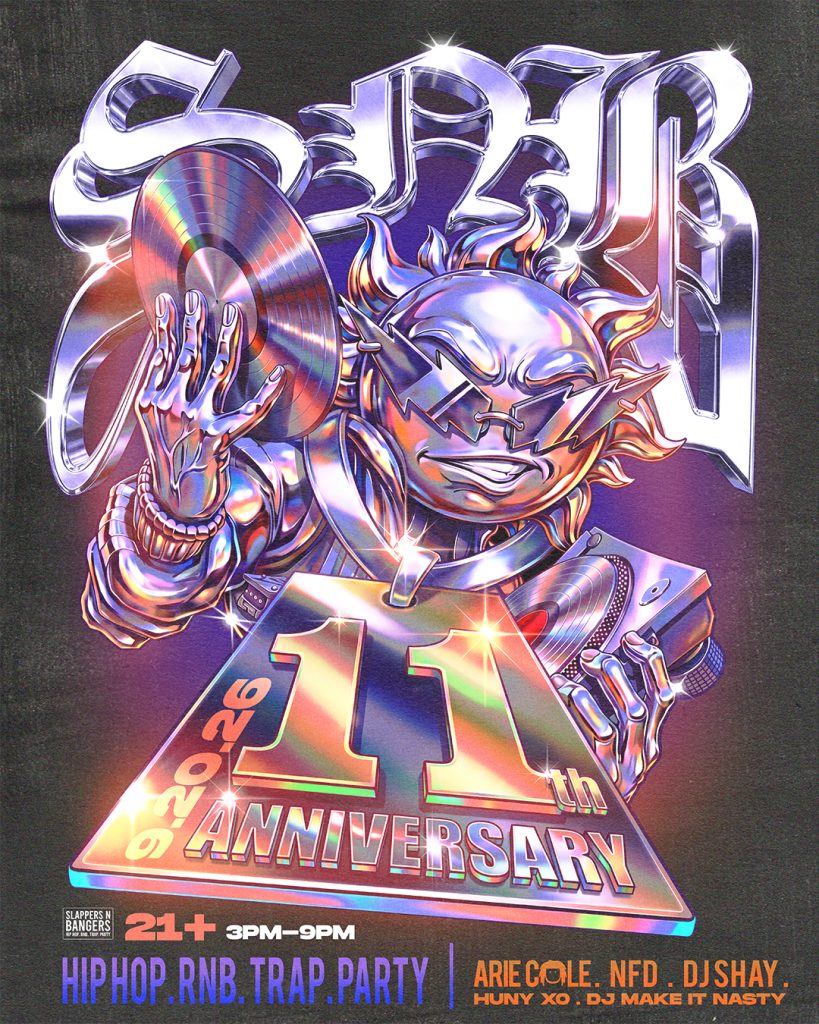
- Our events run both indoors and outdoors, with upcoming dates on our events page including our SNB event.
Check out what’s coming up and grab a ticket at Slappersnbangers, including details on our anniversary celebration and new limited-edition merch drops.
FAQ
What does meet and greet mean at a concert?
A meet and greet is a paid add-on package that gives fans brief, direct access to the performing artist, often for a short photo or autograph moment. According to a guide on meet-and-greet tickets, these interactions vary in length and format, and are typically sold through Ticketmaster VIP packages or an artist’s official channels.
Is a high ticket price a lot for a concert?
Whether a high price feels like a lot depends entirely on the artist, seating tier, and any added perks like a meet and greet package. It’s worth buying only through official channels, since meet-and-greet guidance warns that unofficial resellers are a common source of scams at that price point.
Is there an app to find someone to go to a concert with?
Yes, apps built specifically for this exist. Muse lets you browse upcoming gigs, see who else plans to attend, join a crew, and chat before the show so you’re not walking in alone or meeting strangers cold.
What do you call someone who goes to concerts all the time?
There’s no single official term, though fans often use words like “regular” or “gig-goer” informally within local music scenes. The label matters less than the habit itself: showing up often to the same venues is one of the most reliable ways to build familiar faces into real friendships.
Sources
- Let the Music Play: Live Music Fosters Collective Effervescence and Leads to Lasting Positive Outcomes
- How to Make Friends at Concerts | Muse
- Health, Safety & Security – Lollapalooza Information