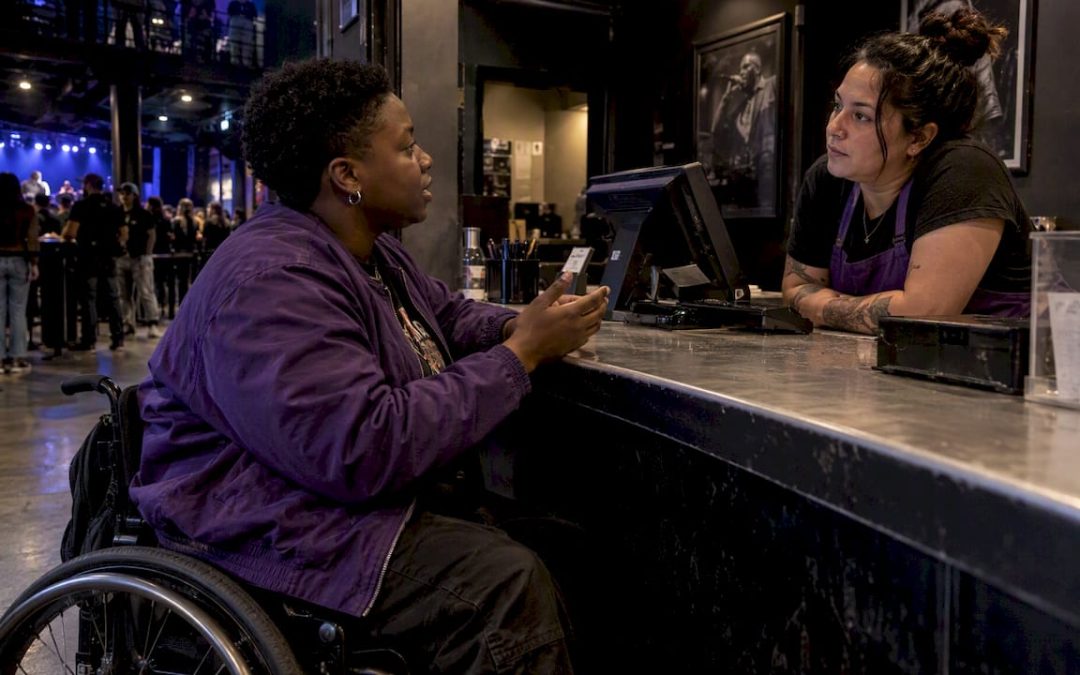
Yes. Under U.S. ADA rules, people who need accessible seating can buy and use accessible concert seats, and venues and sellers must offer them on the same terms as other tickets. If online options aren’t showing up, call the venue box office or the seller’s accessibility line directly. You don’t need medical proof either: an attestation is enough in most sales scenarios.
TL;DR:
- Accessible seats must appear during the same presales and general sales, with comparable prices, fees, and seat details as standard tickets.
- Companions can usually purchase contiguous seats, but the number depends on the venue; buy them with the accessible seat so the system holds them together.
- Before paying, confirm platform dimensions, sightlines, transfer type, and distance to the nearest accessible restroom with the box office if the listing omits those details.
- ASL interpretation and live captioning requests often need two to four weeks of lead time; ask about relaxed performances and quiet spaces when booking.
- Some venues route accessible inventory through box offices, must disclose online gaps, and may release unsold seats one or two weeks before events.
Table of Contents
- Quick Summary of the ADA Ticketing Rules That Affect Concerts
- Who Is Entitled to Accessible Concert Seating
- How to Buy Accessible Tickets: Step-by-Step by Channel
- How to Judge Whether an Accessible Seat Will Work for You
- What Venues May Ask For and What They May Not When You Buy Accessible Seats
- Arrival and Entry: Parking, Drop-Off, Service Animals, and Staff Interactions
- Why Some Accessible Seats Appear Only at Box Offices
- Requesting ASL, Captioning, and Sensory-Friendly Adjustments
- If Things Go Wrong: Filing Complaints and Realistic Expectations
- Slappers N Bangers: Our View on Accessible Event Planning
- Attend SNB Events: How to Buy Accessible Seats and Request Supports
- FAQ
- Sources
Quick Summary of the ADA Ticketing Rules That Affect Concerts
Before you dive into seat maps and presale codes, it helps to know the baseline rules that every venue and ticket seller in the United States has to follow. These rules come straight from the Department of Justice’s ADA ticket-sales guidance, and they apply whether you’re buying from a box office, a major platform, or a resale site.
- Accessible seats must go on sale during the same presales, promotions, waitlists, and general sale windows as every other seat category.
- Prices and service fees for accessible seating can’t run higher than comparable non-accessible seats in the same section.
- Sellers have to give you the same level of detail about accessible seats, including location, sightlines, and price, that they give for standard seating.
None of this is a courtesy extended by a generous venue. It’s a baseline legal requirement, and knowing it changes how you shop for tickets.
Who Is Entitled to Accessible Concert Seating
Accessible seating exists for people who need it, not just people who’d prefer a little extra legroom. Wheelchair and mobility device users qualify, along with anyone who can’t use standard stadium or theater seating because of a physical condition. If your service animal needs floor space to lie down safely next to you, that counts too.
- Mobility device users and anyone unable to use standard fixed seating are entitled to accessible seats.
- Companions can usually buy a number of contiguous seats next to an accessible seat, with the exact count depending on the venue.
- Need, not preference, is the deciding factor: wanting more room is different from requiring specific seat features to attend safely.
Pro Tip: If you’re traveling with a group, buy the accessible seat and companion seats in the same transaction whenever the platform allows it, so the system holds them together automatically.
How to Buy Accessible Tickets: Step-by-Step by Channel
Buying accessible tickets works a little differently depending on where you’re shopping, but the steps are consistent enough to plan around.
- Start with the venue’s or seller’s interactive seat map and look for an accessibility filter or icon marking ADA seats.
- If no filter appears, or the map shows no accessible inventory, call the venue box office before assuming seats don’t exist.
- Check presale codes and waitlists early: accessible seats are sold through the same early-access windows as general seating, so missing a presale can mean missing the best accessible locations.
- When buying through a specialized accessibility phone or email line, have your event date, seat preference, and any companion needs ready so the agent can move quickly.
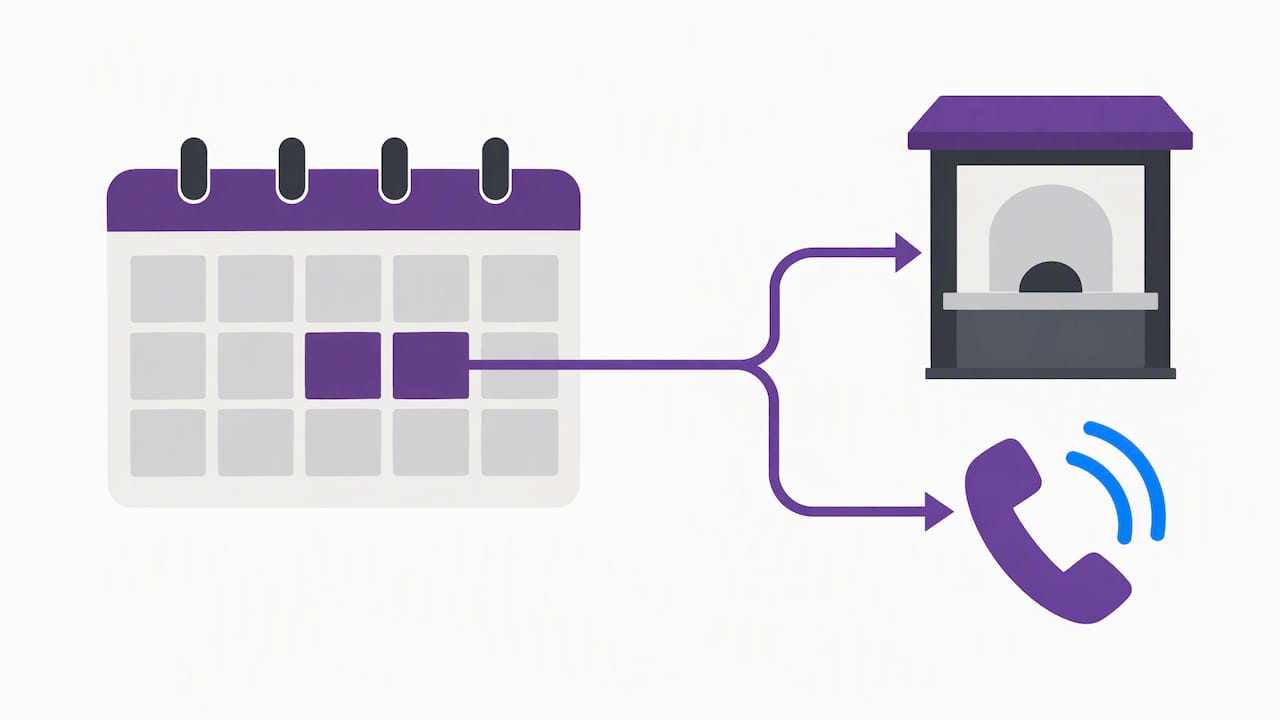
Accessible inventory sometimes sits behind the scenes rather than on the public map. If interactive seat-map filters for accessible seats don’t appear, that typically means the venue is routing those sales through its box office or a dedicated accessibility contact instead of the general online checkout.
Pro Tip: Call during business hours midweek. Box office accessibility lines tend to be quieter on Tuesdays and Wednesdays than right after a show announcement.
How to Judge Whether an Accessible Seat Will Work for You
A seat map icon doesn’t tell you everything. Before you commit to a purchase, look for details on platform dimensions, sightline obstructions, and whether the space is a wheelchair pad or a transfer seat with a fixed chair nearby.
- Good seat descriptions note platform size, nearby obstructions, and whether transfer assistance is available or necessary.
- Some accessible sections sit at floor level, which can mean better proximity but a lower sightline during a standing crowd.
- If the listing is vague, ask the box office directly: confirm sightline, transfer type, and distance to the nearest accessible restroom.
A quick phone call before purchase saves you from discovering a sightline problem after the show has already started.
What Venues May Ask For and What They May Not When You Buy Accessible Seats
Venues cannot require medical records, doctor’s notes, or a disability ID as a condition of buying accessible seats. The ADA’s own ticket-sales guidance is specific about this: you do not have to prove your disability to purchase the seat you need.
- Permitted steps include asking you to attest that you need the accessible features, printing a notation on your ticket, or applying reasonable screening for season-ticket packages.
- A venue cannot demand medical paperwork, a doctor’s letter, or a government disability card before letting you buy.
- If a box office or seller asks for documentation anyway, ask for a supervisor, stay polite, and note the date, time, and name of whoever you spoke with.
That record matters if you need to escalate the issue later.
Arrival and Entry: Parking, Drop-Off, Service Animals, and Staff Interactions
A smooth night starts before you reach the gate. Call ahead or check the venue’s accessibility page for parking locations, drop-off zones, and the elevator or ramp route from the lot to your seat.
- Confirm accessible parking and drop-off locations in advance, since outdoor festival grounds often place them farther from the entrance than indoor venues do.
- Service animals under the ADA are limited to dogs and miniature horses trained for specific tasks; emotional support animals don’t carry the same legal access rights at public venues.
- Ask about medication retention policies ahead of time if you carry syringes, inhalers, or other medical supplies, since bag-check rules vary by venue.
- If staff seat you incorrectly or a companion gets separated from your section, ask for the accessibility coordinator on duty rather than general security.
Pro Tip: Screenshot your ticket confirmation and any accessibility email exchange before you leave home. Cell service inside packed venues can be unreliable right when you need to pull up proof.
If you’re double-checking what identification staff might request at the door, our guide to concert ID requirements covers what’s typically asked and what isn’t.
Why Some Accessible Seats Appear Only at Box Offices
Online seat maps don’t always show the full accessible inventory, and there’s a reason for that. Sellers sometimes hold accessible seats for phone or box office sales to manage them more carefully, but they’re still required to make a reasonable effort at online parity and disclose when seats aren’t visible online.
- Sellers may route accessible inventory through box office sales rather than the general online checkout, but that routing has to come with clear disclosure.
- A landmark DOJ settlement with Ticketmaster required improved procedures, including notices when accessible tickets aren’t available online and better phone and email agent access.
- If a resale platform shows no accessible options, go straight to the venue box office and keep a written record of who you spoke with and when.
Unsold accessible seats are often released closer to the event date, so checking back a week or two before the show can turn up inventory that wasn’t there earlier.
Requesting ASL, Captioning, and Sensory-Friendly Adjustments
Seating is only part of the accessibility picture. If you need ASL interpretation, live captioning, or a quieter space during the show, those requests usually need more lead time than a standard ticket purchase.
- Reach out through the venue’s accessibility email or phone line as soon as you book, since ASL and captioning vendors often need two to four weeks of notice.
- Include specifics: the exact accommodation, your seat location, and any timing constraints for the request.
- Ask whether the show offers a relaxed or sensory-friendly performance option, since more organizers are building in flexible seating and quiet spaces for neurodivergent attendees.
A clear, early request gets you a much better answer than a day-of ask at the merchandise table.
If Things Go Wrong: Filing Complaints and Realistic Expectations
Most accessibility issues get resolved on-site if you ask the right person. Start with the venue manager, then the accessibility contact listed on the venue’s website, before escalating further.
- Document everything: date, seat location, who you spoke with, and what was said or denied.
- If on-site resolution fails, you can file a complaint with the Department of Justice, which investigates patterns of noncompliance and has produced enforceable settlements before.
- State and local disability rights offices sometimes offer faster response times than federal channels for immediate disputes.
- Past settlements, including the Ticketmaster case, show that documented complaints can lead to real changes in seller practice, not just individual refunds.
Keep your records even after a show ends. Patterns matter more than single incidents when it comes to enforcement.
Slappers N Bangers: Our View on Accessible Event Planning
We’ve built accessibility into how we run our hip hop and R&B events from the ground up, not as an afterthought bolted on after tickets go live. Clear accessible-seating labels, a dedicated contact channel, and straightforward pre-event information are part of how we plan every show.
- We mark accessible seating clearly on our event pages and ticketing platforms.
- Attendees can reach out through our event contact channels ahead of time to flag seating or companion needs; we don’t ask for medical documentation to honor those requests.
- We treat accessibility requests with respect for what people actually need to show up and have a good night.
— Slappersnbangers@gmail.com
Attend SNB Events: How to Buy Accessible Seats and Request Supports
We throw events built around energy, community, and a packed dance floor, and that energy should be something every fan can access. Our SNB 11th Anniversary celebration and August SNB: 400 Degreez are both on the calendar, and accessible seating requests work the same way for both.

- Check our events page for upcoming show dates and ticket availability.
- Reach out before the show if you need accessible seating, a companion seat, or other supports, and we’ll walk you through what’s available.
- Browse our limited edition merch while you’re there, since drops tend to move fast around anniversary shows.
Head to our main events hub to lock in your tickets and flag any accessibility needs before the next SNB show sells out.
This article is general information, not a substitute for advice from a qualified lawyer. Consult a qualified legal professional about your own circumstances before acting on anything here.
FAQ
What disabilities qualify for ADA seating at concerts?
Mobility impairments, conditions that prevent using standard fixed seating, and situations requiring a trained service animal to have floor space all qualify. The ADA’s ticket guidance doesn’t require a specific diagnosis, just a genuine need for the seat’s accessible features.
Can you buy handicap seats at a concert if you’re not handicapped?
Accessible seats are intended for people who need the specific features of that seating, and venues may ask purchasers to attest to that need. Buying accessible seats without needing them isn’t appropriate, since it can block access for someone who genuinely requires that space.
How do I get ADA seating on Ticketmaster?
Look for an accessibility icon or filter on the interactive seat map when selecting tickets. If no accessible options appear online, contact the venue box office directly, since some accessible inventory is held for phone or in-person sales.
Can people who aren’t disabled buy accessible seats?
Accessible seating is reserved for attendees who need those specific features, though venues may allow flexible release of unsold accessible seats closer to showtime. Companions accompanying someone who needs the seat can typically purchase the adjoining contiguous seats as part of the same order.
Do I need proof of disability to buy accessible tickets?
No. Venues cannot require medical records, a doctor’s note, or a disability ID as a condition of purchasing accessible seats, according to federal ADA guidance. An attestation of need is generally sufficient.
Sources
- ADA Requirements: Ticket Sales
- I need to book accessible or companion tickets – Ticketmaster Help
- Settlement Agreement between the United States and Ticketmaster L.L.C.
- ADA Seating: 36 Inch Spaces, Equal Prices, and How to Buy