You can enjoy a packed dance floor without a drink in your hand, and the fastest way there is a short, rehearsed plan instead of raw willpower. Four moves make the night work: hold a visible nonalcoholic drink, have a one-line decline ready, bring someone who knows you’re not drinking, and know your exit before you walk in. This is a playbook, not a lecture, and it’s built for real parties, not quiet dinners.
TL;DR:
- Write and rehearse two or three brief refusal lines before leaving, then use one and redirect the conversation to music or another topic.
- When an urge rises, remember it usually passes within minutes; take a slow breathing break or walk around the venue instead of acting on it.
- If sober socializing is new, start with a daytime show or small gathering; leave early if urges persist or people keep pressuring you.
- Hosts can reduce pressure by staffing a mocktail station before doors open, naming nonalcoholic menu options, and preparing staff to handle pushy offers discreetly.
- Peer support groups and sober activities extend support beyond one event; consult a clinician if urges become difficult to manage.
Table of Contents
- 1. Core tips for partying sober without missing the fun
- 2. Before you go: the four D’s pre-event checklist
- 3. During the party: in-the-moment coping and refusal tactics
- 4. Support and resources beyond the party
- 5. Our take on throwing sober-friendly events
- 6. What we think most sober-party advice gets wrong
- Where to find a sober-friendly night out
- FAQ
- Sources
1. Core tips for partying sober without missing the fun
Sober partying works best when you treat it like prep for a show, not a test of character. These tactics come up again and again at DJ-driven events where the music, the crowd, and the round-buying culture all push toward a cup in your hand.
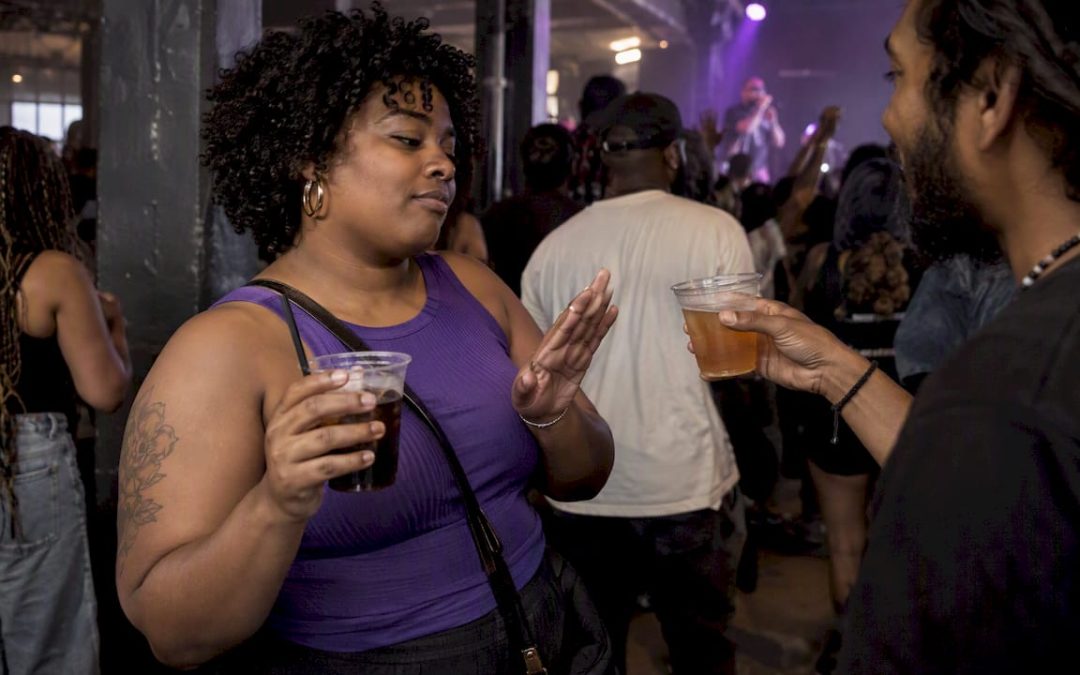
- Hold a visible nonalcoholic drink. A club soda with lime, a mocktail, or a canned NA beer answers the “what are you drinking” question before anyone asks it.
- Write and practice 2 to 3 refusal lines before you leave the house. Something as plain as “I’m good, driving tonight” or “Not drinking, but I’ll grab a soda” closes the conversation fast.
- Bring a sober ally or pick one in the group. This is the person who knows your plan and will back you up without making a scene.
- Map your exit and ride home before the night starts. A rideshare app loaded, a designated driver confirmed, or a last train time written down removes the “how do I get home” excuse to stay longer than planned.
- Arrive early. Early arrivals get first pick of the room, meet people before the crowd peaks, and settle in before the pressure to match everyone else’s drink count kicks in.
- Leave on your own schedule, not the group’s. A quiet exit, sometimes called an Irish exit, skips the goodbye tour and the “one more round” pitch at the door.
- Eat a real meal before you go and keep water moving all night. Low blood sugar and dehydration both mimic the irritability that makes a sober night feel harder than it is.
- Use distraction when an urge hits. Step toward the dance floor, the merch table, or the restroom line. Physical movement and a change of scene shorten most cravings.
- If you’re hosting, build the mocktail station first, not last. A proper setup with syrups, citrus, and garnish signals that nonalcoholic drinks are a real option, not an afterthought.
A few extras round out the list:
- Keep a snack in your bag or pocket for the lull between sets.
- Suggest a low-key activity, like a photo booth or a card game corner, if the party has downtime.
- Compliment the DJ or the playlist. It’s an easy, genuine way to connect without alcohol as the icebreaker.
Pro Tip: Order your nonalcoholic drink the same way you’d order anything else, fast and specific, so the bartender treats it like a normal request instead of a conversation starter.
2. Before you go: the four D’s pre-event checklist
A two-minute plan beats a two-hour internal debate at the party. Fill in these four blanks before you leave:
- Drink: name the nonalcoholic drink you’ll order first, so you’re never standing empty-handed.
- Decline: write your go-to line, such as “I’m not drinking tonight, but thanks.”
- Dial: pick the person you’ll text or call if the room gets hard to handle.
- Depart: set a ride and a rough time you’ll leave, before the party has a chance to talk you out of it.
Planning for the people, places, and moods that trigger urges, rather than hoping you’ll handle them in the moment, is the core idea behind NIAAA’s approach to handling urges. Having the response ready ahead of time turns a hard decision into something closer to a habit.
If you’re newer to sober socializing, pick a lower-pressure event first, a daytime show, an all-ages set, or a small gathering, before tackling a late-night club night.
Pro Tip: Set a time limit on your phone before you walk in. When the alarm goes off, treat it as your cue to check in with yourself, not a hard deadline to leave.
3. During the party: in-the-moment coping and refusal tactics
Urges to drink tend to hit hard, then pass, usually within minutes. NIAAA describes this as riding the wave: the craving builds, peaks, and fades if you don’t act on it, so a short breathing exercise or a lap around the venue can carry you through.
A few moves work in almost any room:
- Keep your drink visible and in your hand. It cuts down on offers before they start.
- Stand near the food table, the merch booth, or any low-traffic zone instead of the bar.
- Use your one-line decline, then pivot the conversation: “Not tonight, but did you catch the opener?”
- Text your sober ally a simple check-in, like “doing fine” or “come find me,” so support is one message away.
If the urge doesn’t fade or the room keeps pushing, that’s the signal to use your exit plan. Leaving early isn’t a failure of the night, it’s the plan working as designed.
4. Support and resources beyond the party
Sober partying gets easier with a support network behind it, not just a script for one night. SAMHSA’s guidance on peer recovery support points to a clear pattern: replacing alcohol-centered social circles with substance-free activities and peer connections builds resilience that outlasts any single event.
A few resources worth knowing about:
- Mutual-help groups, including AA meetings, for ongoing peer support between events.
- Peer recovery coaches or local recovery community organizations for one-on-one check-ins.
- A primary care provider or counselor if urges feel harder to manage than a single night out.
If a drinking episode happens despite your plan, NIAAA’s guidance on recovering from a slip is direct: get back on track quickly, look at what triggered it, and lean on your support system rather than treating it as proof the plan failed.
5. Our take on throwing sober-friendly events
We book DJs who read a room and build sets around hip hop, R&B, and trap played the way it’s meant to hit, which means the energy on the floor comes from the music, not from how many rounds the bar sold. That’s the detail hosts can actually control.
A few things are commonly included in these events:
- A mocktail station stocked and staffed before doors open.
- Visible nonalcoholic options on the bar menu, listed by name.
- Low-pressure activities, like a photo moment or a merch table, providing guests alternatives to ordering drinks.
- Staff prepared to manage pushy drink offers discreetly.
6. What we think most sober-party advice gets wrong
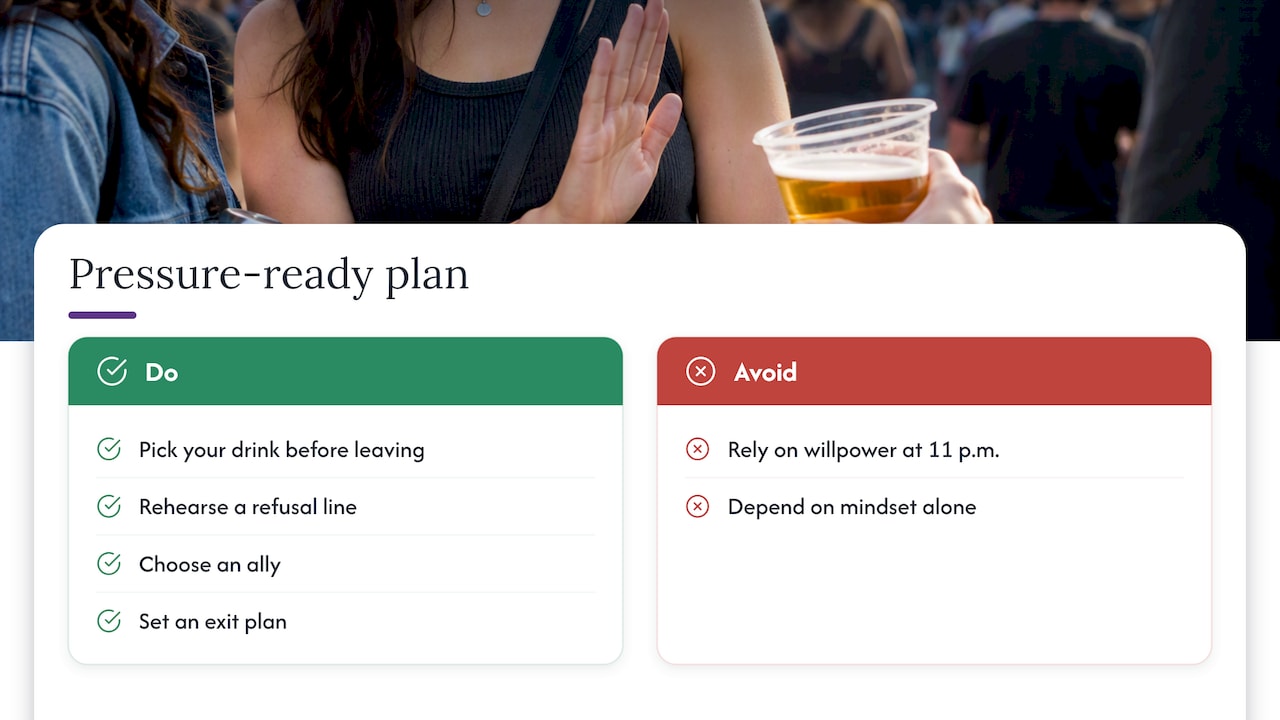
Most sober-party guides lean hard on mindset: stay strong, remember your reasons, visualize success. That’s not useless, but it skips the part that actually works under pressure, which is having a physical script ready before the moment arrives. Willpower is a terrible tool at 11 p.m. in a loud room; a rehearsed line and a drink already in your hand are not.
The bigger blind spot is on the host side. Guides tell guests how to cope, but rarely tell the people running the party how to make coping unnecessary. A mocktail menu that’s an afterthought, a bar staff that pushes rounds, and zero visible NA options put the entire burden on the sober guest to defend their choice all night.
If you take one thing from this, prioritize the plan over the mindset. Decide your drink, your line, your ally, and your exit before you leave home. Everything else, the breathing, the distraction, the check-ins, works better once that structure is already in place.
— Slappersnbangers@gmail.com
Where to find a sober-friendly night out
Our parties are built around the DJ and the crowd, not the bar tab, emphasizing a packed dance floor, genuine nonalcoholic drink options, and a community focused on the music. Whether you’re sober for the night or sober for good, our events are built to welcome you exactly as you are.

A few ways to connect with us right now:
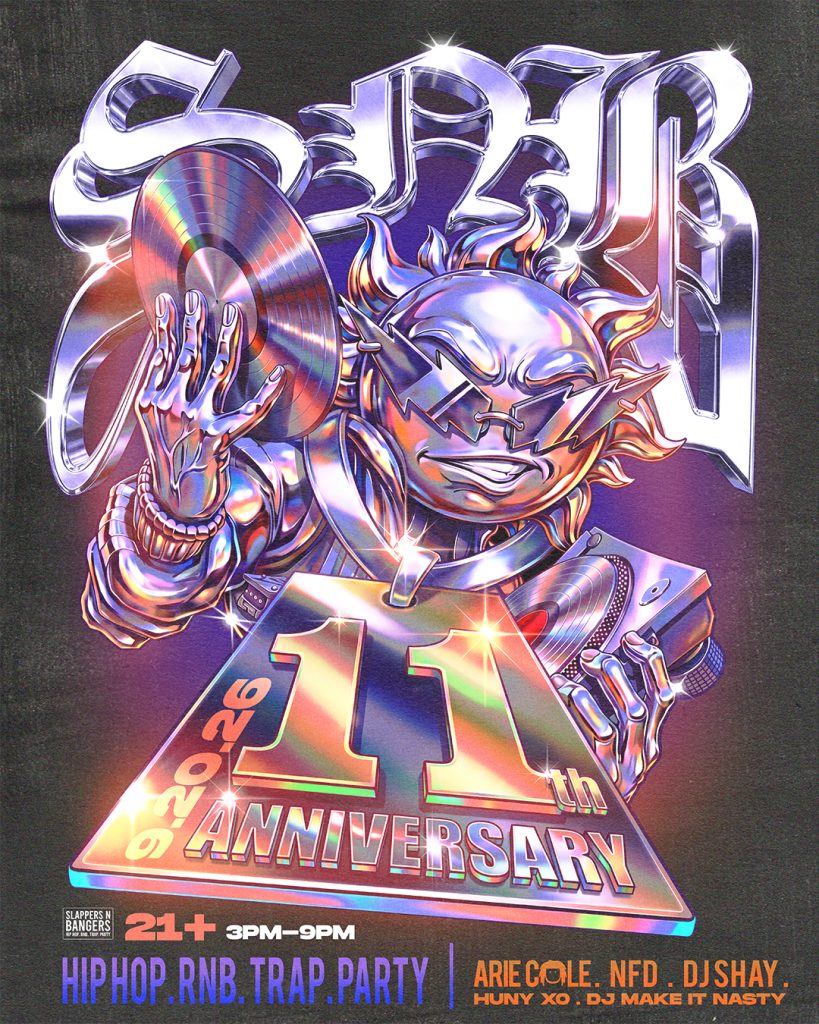
- Check SNB 11th Anniversary for our latest milestone celebration and ticket details.
- Browse August SNB: 400 Degreez for our next big night out.
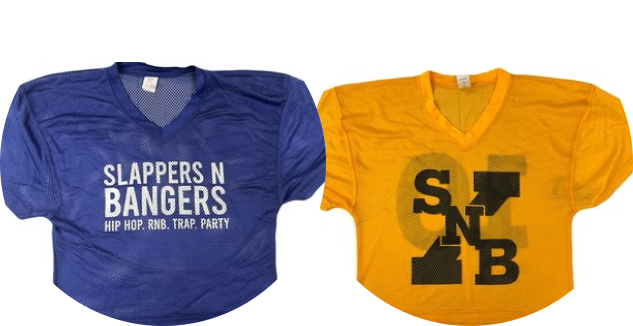
- Grab the Draft Commemorative Tee or the 10th Anniversary Jersey to carry a piece of the community with you.
If you’re planning the ride there and back, a party bus booking guide or an arranged night out service can help lock in transportation before you ever leave the house.
This article is general information, not a substitute for advice from a qualified doctor. Consult a qualified healthcare professional about your own circumstances before acting on anything here.
FAQ
How to make a sober party fun?
Build the night around activities and music instead of drinks: a mocktail bar, a photo setup, games, and a playlist that keeps people moving. Guests stay engaged when there’s something to do between songs, not just something to drink.
What is Rule 62 in sobriety?
Rule 62 comes from Alcoholics Anonymous and reads, “Don’t take yourself so damn serious.” It’s a reminder to ease up on self-judgment in recovery settings, which can make social situations, including parties, feel less heavy.
What is the 1/2/3 rule for drinking?
This isn’t a standard established in the sources behind this guide, so definitions vary depending on where you encounter it. Rather than relying on an informal counting rule, a prepared drink choice and a clear exit plan work more reliably at a party.
Is it possible to party while sober?
Yes. A visible nonalcoholic drink, a rehearsed decline line, a sober ally, and a planned exit let you enjoy the music and the crowd without needing alcohol to feel part of it.
Sources
- Handling urges to drink — Rethinking Drinking (NIAAA)
- SAMHSA: Peer recovery support services (PDF)
- Tips for quitting drinking and recovering from a drinking episode — NIAAA (PDF)
- Bill W. on the origin of Rule 62 — Alcoholics Anonymous