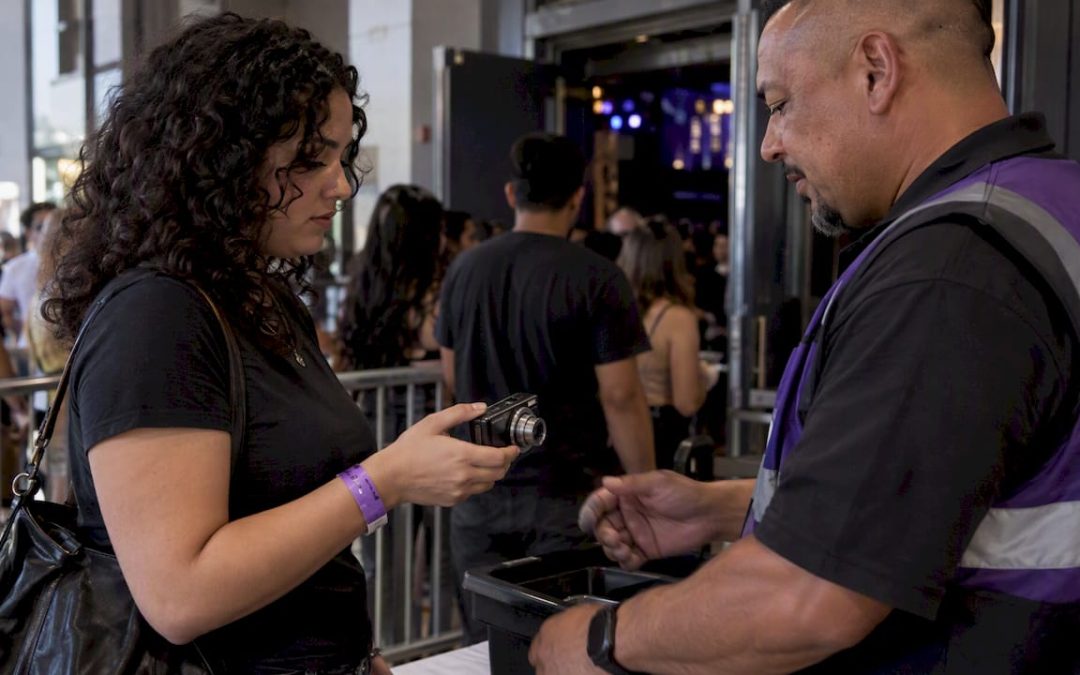
A small fixed-lens camera or your smartphone is the safest bet for almost any show, while DSLRs, mirrorless bodies, and anything with a detachable lens get turned away at a lot of doors. Rules shift from venue to venue and tour to tour, so the smart move is always checking the venue or event page before you leave the house.
TL;DR:
- A venue’s baseline can tighten for a specific tour; arenas and festivals enforce stricter rules than clubs, while artist contracts may ban all photography.
- Hersheypark Stadium limits camera lenses to roughly 2.5 by 3 inches; other venues set limits that vary, sometimes reaching 5 inches.
- Tripods, monopods, external flashes, separate recorders, and large camera bags can draw scrutiny even when the camera itself meets the venue’s rules.
- Check both the venue rules and event listing, then call the box office about lens limits, flash, and camera checks; save written confirmation.
- Staff may send banned gear to a camera check or your car; photo passes need advance approval and often limit pit access to three songs.
Table of Contents
- 1. What venues commonly allow and when rules tighten
- 2. How venues define “professional” gear and banned accessories
- 3. How to check a show’s camera policy before you go
- 4. What to expect at the door: searches and enforcement
- 5. How photo passes and accreditation actually work
- 6. Why we think about cameras the way we do
- Bring your camera, leave with the merch
- FAQ
- Sources
1. What venues commonly allow and when rules tighten
Most clubs and general admission rooms wave through phones and small point-and-shoot cameras without a second look. Most venues allow smartphones and compact fixed-lens cameras while restricting interchangeable-lens DSLRs and mirrorless systems unless the person carrying one has accreditation. A compact like a Sony RX100 or Canon G7 X tends to pass as a reasonable middle ground for anyone who wants sharper shots than a phone delivers without looking like press.
Venue type matters more than most people expect. A 300-capacity club rarely polices cameras with any real rigor. A theater or performing arts center, where sightliness and recording rights carry more weight, tends to post clearer rules. Arenas and major festivals sit at the strict end, partly because they’re managing tens of thousands of people and partly because headlining artists negotiate their own terms.
That artist-level override is worth remembering. A promoter might run an easygoing policy for most of a season, then lock it down hard for one specific tour because the artist’s team required it. This is common on major arena runs, where contracts sometimes ban all photography, professional or otherwise.
A few patterns hold across most rooms:
- Smartphones and small compacts clear security at nearly every type of venue.
- Arenas, stadiums, and large festivals tend to enforce stricter equipment rules than clubs or theaters.
- A specific artist or tour can impose tighter limits than the venue’s own baseline policy.
2. How venues define “professional” gear and banned accessories
Security staff need a fast way to decide what stays and what gets turned away at the door, so most policies draw the line at detachable lenses. If your camera’s lens comes off, it reads as professional equipment, accreditation or not.
Lens length is the other common yardstick, and venues are specific about it. Hersheypark Stadium defines a simple camera as one with a lens no larger than about 2.5 inches by 3.0 inches, and that kind of measurement shows up, with some variation, at venues across the country, generally landing somewhere between 2.5 and 5 inches.

Statistic: Hersheypark Stadium caps lens size at roughly 2.5" x 3.0", a concrete example of how literally venues can enforce the “no professional gear” rule.
Accessories draw almost as much scrutiny as the camera body itself. Items that commonly get flagged at the door include:
- Tripods and monopods, which read as professional setup gear even with a phone attached.
- External flash units, which can disrupt performers and other guests.
- Standalone audio or video recorders separate from a camera or phone.
- Large camera bags or cases, which slow down bag checks and raise questions.
When a policy doesn’t spell out exact numbers, treat a camera without a removable lens as the default safe choice.
3. How to check a show’s camera policy before you go
Camera rules rarely live in one obvious place, so a little digging before showtime saves a conversation at the door. There is no universal camera policy; venues and artists each set their own, and they publish them in different spots.
Work through these steps a few days before the show:
- Check the venue’s official rules page, which usually lists banned items alongside camera and recording policy.
- Reread the event listing on the ticketing site, since some tours post restrictions there instead of on the venue page.
- Search your inbox for the pre-show email, where many venues repeat the camera policy along with parking and bag rules.
- Call the box office directly if anything is vague, and ask specifically whether detachable lenses are allowed, whether there’s a maximum lens length, whether flash is permitted, and whether they offer a camera check.
Pro Tip: Take a dated screenshot of the policy page and save any confirmation email, so you have something to show security if a staff member questions your gear.
Note the name of whoever you spoke with at the box office too. It’s a small detail, but it turns a vague memory of “someone said it was fine” into a specific, checkable claim.
4. What to expect at the door: searches and enforcement
Most venues enforce camera policy the same way they enforce bag policy: signage at the entrance, a visual check, and staff making judgment calls in real time. Expect your bag or camera case to get a look, and expect that look to vary a little depending on who’s working the gate that night.
Outcomes generally fall into a few buckets:
- Staff ask you to check oversized or banned gear before entering.
- Staff ask you to return the item to your car if there’s no check option.
- In rarer cases, staff deny entry entirely if the item is explicitly banned and there’s no alternative.
Getting asked to delete photos is uncommon. Most enforcement happens before you’re inside, not after.
A calm approach goes a long way here. Staff dealing with a long line have little patience for arguments, but they generally respond well to someone who’s polite and has their saved policy screenshot ready. Packing light also helps: a phone or small compact in a reasonably sized bag rarely raises a flag, while a visible camera bag invites questions even when the gear inside is allowed. For broader guidance on what clears security and what doesn’t, our bag policy breakdown covers how screening works at larger venues.
5. How photo passes and accreditation actually work
Professional access runs through a different process entirely, and it’s gated well before anyone reaches the door. Photo passes are typically issued by artist publicists or promoters, and they grant permission to bring in gear that would otherwise get turned away, usually in exchange for editorial coverage of the show. Festivals often handle this centrally through a dedicated press office rather than leaving it to individual artist teams.
Credentials come with their own rules, not a free pass to shoot however you like:
- Pit access is commonly limited to the first three songs of a set.
- Flash photography is almost always off-limits, even with a pass.
- Photographers are expected to stay out of other pit shooters’ way and clear out when told to.
Getting a pass usually starts with contacting the publicist, promoter, or festival press office directly and showing you represent a publication or outlet that will actually run the coverage. Smaller outlets and photographers building a portfolio sometimes get a yes, but pro access stays the exception rather than the rule for most concertgoers. Anyone planning to record more elaborate video setups should also check local filming permit requirements, since crew size and equipment can trigger permit rules separate from the venue’s own camera policy.
6. Why we think about cameras the way we do
We built Slappers N Bangers in 2015 to create a space where hip hop and rap could take over a dance floor without apology, designing every event around that energy. Camera rules at our shows follow the same logic as everywhere else: we post them on our event pages ahead of time, because a packed floor and a DJ reading the crowd don’t mix well with tripods and flash going off mid-set.
Check the specific event page before you come through. We’d rather you know the rules walking in than find out at the door.
— Slappersnbangers@gmail.com
Bring your camera, leave with the merch

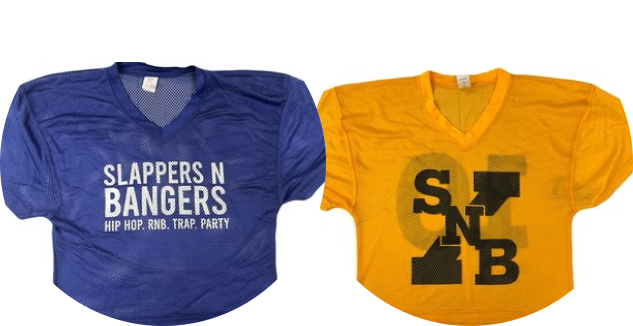
We keep our camera policy posted on each event page to help you focus on enjoying the dance floor rather than dealing with security. Check August SNB: 400 Degreez before you go, and if you want something to wear once you’re inside, our shop carries the Draft Commemorative Tee and the Slappers n’ Bangers 10th Anniversary Jersey (Limited Run), both built for a night on a packed floor.
- Browse our event lineup and camera guidance on the SNB events page.
- Grab the Draft Commemorative Tee before the run sells out.
- Pick up the 10th Anniversary Jersey, a limited run tied to our 2015 start.
FAQ
Am I allowed to bring a camera to a concert?
In most cases, yes, as long as it’s a smartphone or a small fixed-lens camera. There is no universal camera policy, so the specific venue and artist decide what’s allowed for that show.
Do concert photographers make good money?
Pay varies widely and depends heavily on the publication or client a photographer shoots for, since most concert photography work runs through editorial assignments rather than a fixed rate. Access itself is the bigger hurdle: photo passes are typically issued by publicists or promoters in exchange for coverage, not paid directly by the artist.
What camera can you take to a concert?
A smartphone or a compact camera with a lens that doesn’t detach is the safest choice almost everywhere. Once a lens comes off the body, or exceeds a venue’s stated length limit, like the roughly 2.5-inch cap at Hersheypark Stadium, it risks getting flagged as professional gear.
Can I bring binoculars to a concert?
Binoculars aren’t typically covered by camera policy and are allowed at most venues, since they don’t record or capture images. Check your specific venue’s bag and prohibited items list, since bag size restrictions can affect how you carry them.
How do I confirm the camera rules for a specific show?
Check the venue’s official rules page and the event listing on your ticketing platform, since either one may list separate restrictions. If anything is unclear, calling the box office directly gets you a straight answer before you leave home.
Sources
- Camera policies for events — Ticketmaster Help
- What cameras are allowed in concerts? (2026) — LensesPro
- Everything you need to know about photo passes for concert photography — iShootShows
- Hersheypark Stadium FAQs — Hershey Entertainment