Sometimes yes, sometimes no, and the venue decides, not the artist’s fans or your ticket. Some places let you carry in a sealed bottle, some only want an empty one you fill inside, and some ban every outside drink. Pittsburgh’s biggest arena is in that last group.
We throw large indoor and outdoor hip hop, R&B and trap parties, so we see this at the gate every time. Here is how the rules work, how to check yours in two minutes, and how to stay hydrated when the dance floor is packed.
TL;DR
- Water bottle rules are set venue by venue and sometimes show by show, so read the event page or the Know Before You Go email for your date.
- The common setups are: sealed bottle only, empty clear bottle only, size-capped bottles, or no outside drinks at all.
- A banned bottle usually can’t be checked at the door. You toss it or walk it back to your car.
- If you can’t bring water, look for refill stations or free water points before you buy anything at concession prices.
- Outdoor summer shows are where hydration matters most. Plan to drink before, during and after.
Table of Contents
- What venues actually allow
- A Pittsburgh example: arena versus amphitheater
- Why venues ban it (and why some are loosening up)
- How to check the rule for your show in two minutes
- What happens if you show up with the wrong bottle
- Picking a bottle that gets through
- Staying hydrated when you can’t bring water in
- Outdoor shows and festivals: plan for the sun
- Our take on water at a hip hop show
- Hip hop nights worth hydrating for
- A quick pre-show checklist
- FAQ
- Sources
What venues actually allow
There is no national rule. A venue-by-venue rundown of water bottle policies shows the range: some places allow factory-sealed bottles (often capped at about a liter, with some going to a gallon), some allow empty reusable plastic bottles, and some prohibit all outside beverages. That same page lists hundreds of venues, and the answers are all over the map.
Here is how the common policies break down in practice.
| Policy type | What it means at the gate | What to bring |
|---|---|---|
| Sealed bottle only | One factory-sealed bottle, sometimes plastic only | One unopened bottle, no extras |
| Empty bottle only | Bottle must be empty and often clear plastic | An empty bottle you fill at a station inside |
| Size-capped | A limit on ounces or liters | A bottle that fits under the cap, label showing |
| No outside drinks | Nothing liquid comes in | Nothing. Hydrate before you enter |
| Health exception | Ban applies, but medical needs can be arranged | Contact the venue before show day |
The lesson: never assume your usual bottle works because it worked last time somewhere else. Metal bottles are the most common casualty, since many venues that allow plastic still turn metal away.
A Pittsburgh example: arena versus amphitheater
If you go to shows around Pittsburgh, you will see the contrast quickly. According to the venue list above, PPG Paints Arena does not allow outside bottles, cans or coolers, and no outside food or beverages of any kind. Guests with health conditions are told to contact customer service in advance. So at that arena, you drink before you go in and buy or find water inside.
Compare that with a typical outdoor amphitheater. One public FAQ for an amphitheater in Kansas allows one clear sealed bottle or one empty clear bottle per person and notes that a refill station is available. That is a common outdoor pattern: the venue accepts you bringing water because it would rather you drink than faint in the sun.

Those are two real venues, not a rule for your show. Use them as a model for what to look for, then check your own date.
Why venues ban it (and why some are loosening up)
The usual reasons are security and money. Bottles can be thrown or used to smuggle in drinks, and concessions make a lot of their revenue on drinks. That is why indoor arenas tend to be strict.
Outdoors, the safety argument flips. The same bottle guide notes that venues are increasingly trading a flat no-outside-drinks rule for a bring-your-own-empty-bottle approach, backed by free refill stations, because that manages heat risk without staffing water sales points everywhere. If the show is outside in July or August, your odds of bringing an empty bottle go up. Your odds of bringing a full one stay shaky.

How to check the rule for your show in two minutes
Do this once you have your tickets, and again the day before.
- Open the event page, not just the venue page. Venues often change rules for a specific tour or artist, so a standard policy can be tightened or suspended for your date.
- Find the Know Before You Go email or section. Search your inbox for it. It lists prohibited items, bag rules and gate times.
- Look for the exact wording. Sealed or empty? Clear or any color? Plastic only? Size limit? Cap or no cap?
- Check the bag policy next. Many venues that allow a bottle also limit bag size. Our guide to the clear bag policy at stadiums covers how to pack so you move through the line faster.
- Screenshot it. Gate staff are human, and showing the posted rule on your phone settles a lot of confusion.
While you are on that page, check what else could stop you at the door. Our posts on ID requirements at concerts and the concert security check take the guesswork out of the rest of the gate.
What happens if you show up with the wrong bottle
Most venues do not run a bottle check-in. If your bottle is prohibited, you will usually have to throw it in a trash receptacle or walk it back to your vehicle. That is a rough way to start a night, especially if you took a rideshare or a bus and have no car.
A few ways to avoid it:
- Leave the good bottle at home if you are unsure. A cheap clear plastic one is a low-stakes backup.
- Drink what you have before you reach the gate line, not after.
- If you rely on water for a medical reason, contact the venue before the show. Arena policies often include a path for health conditions, but you have to ask in advance, not at the door.
- Arrive early. Gate staff have more patience at 7:00 than at the 10-minute-to-doors crush.
Picking a bottle that gets through
If your venue allows empties, the bottle matters.
- Clear plastic beats everything else. Staff can see it is empty or sealed at a glance.
- Collapsible bottles pack small. They fold into a pocket, which helps when you are already carrying a small bag, though check that the venue accepts them.
- Skip metal and insulated tumblers unless the policy says they are fine. Many venues turn them away, even when plastic is allowed.
- Remove the straw lid if you can. Fewer parts, fewer questions.
- Do not bring more than one. Policies that allow a bottle usually mean one per person.
There is also a cultural side. Big reusable bottles have become part of how people dress for a day out, and research on Gen Z describes them as status accessories and identity props. Cute, but a giant tumbler is the item most likely to get stopped at a strict gate. Match the bottle to the rules, not the aesthetic.
Staying hydrated when you can’t bring water in
If the policy is no outside drinks, you still have options.
- Front-load. Drink water steadily in the two hours before doors, not a big gulp in the line.
- Look for refill stations and free water. Many venues offer them even when they ban bottles. Ask staff at the gate or check the venue map.
- Buy water early, not when you are desperate. Lines peak between sets and right before the headliner.
- Eat something. Our food at concerts packing list explains what venues allow in and when to eat so you aren’t running on empty.
- Go easy on alcohol. If you are drinking, alternate with water. If you are not, our sober partying tips help with the pressure to keep up.
Outdoor shows and festivals: plan for the sun
Outdoor events are where hydration stops being a nice idea. Summer heat plus a packed dance floor drains you faster than you expect, and a day show can run for hours before the sun drops.
- Wear light, breathable layers. We covered what works in our summer festival outfits guide.
- Bring sunscreen if the rules allow it, and a hat.
- Check the weather plan. Our rain or shine concerts breakdown explains how delays and lightning holds work.
- Know your late entry rules if you are coming from work. See late entry at concerts.
If you want a sense of what practical festival prep looks like from the merch side, this piece on why custom tees work at festivals is a quick read for anyone dressing a crew or a group for a long outdoor day. Thinking about where to go next? Our list of outdoor hip hop festivals helps you find shows before they sell out.
Our take on water at a hip hop show
We started Slappers N Bangers in Pittsburgh in 2015 to give Hip Hop and Rap fans a place that actually wanted them. Our events are built around DJs who read the crowd and keep the floor packed. A packed floor is a hot floor, and a few things we have learned from that:
- Hydration is part of the night, not a side issue. If you are dancing for hours, water is as important as your outfit.
- The venue sets the water rules, and we plan around them. Every event has its own page and details, so check the one for the date you are attending instead of relying on what a different show allowed.
- Arrive ready. Drink before, know where the water is, and eat. The people who last until the last song are the ones who planned.
- Look out for each other. If someone near you looks unwell, tell staff. That is part of the community we want at our events.
- Dress for the room. Our indoor concert outfits guide is built around surviving a packed show, which is really a guide to staying cool.
We do not publish a universal bottle rule because there isn’t one. What we can tell you is to treat the event page as your source of truth, and treat water as non-negotiable.
— Slappersnbangers@gmail.com
Hip hop nights worth hydrating for
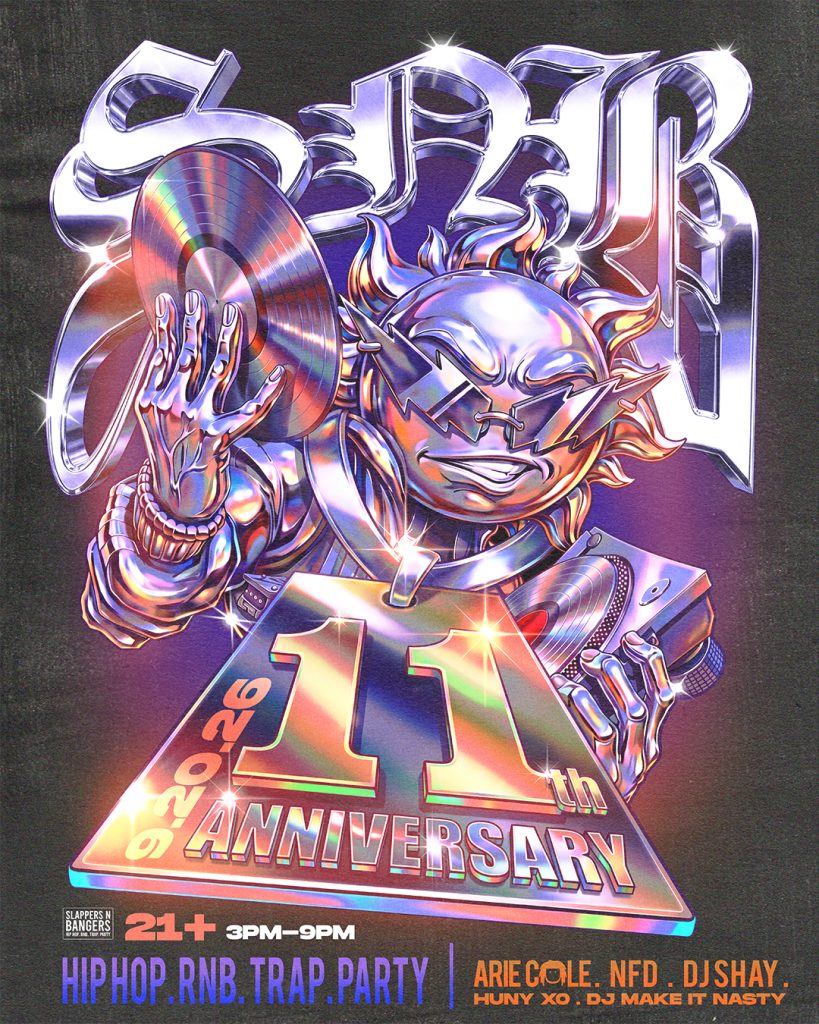
If you want a night where the dance floor is the whole point, check our events page, where August SNB: 400 Degreez is listed, and see the SNB 11th Anniversary and new and limited edition items on our homepage. Ticket and merch details are on those pages. For something to take home, the Draft Commemorative Tee is in our shop.
New to the Pittsburgh scene? Our guide to hip hop and R&B events in Pittsburgh this summer is a good starting point, and if you are still working out the sound, hip hop versus R&B in nine songs will help. For a look at the live-music side of things, this overview of what a live music show is fills in the basics.
A quick pre-show checklist
- Event page and Know Before You Go email read for your date
- Bottle matches the rule: sealed, empty, clear, size-capped or none
- ID, ticket and phone charged. Check camera rules if you plan to shoot
- Small bag that fits the bag policy
- Water drunk before the gate line
- Plan for where to find refill stations or buy water inside
- Ride home sorted
Print nothing, screenshot everything. The two minutes you spend now save a bad moment at the gate.
FAQ
Can you bring water to concerts?
It depends on the venue and sometimes the artist. Some allow sealed bottles, some allow empty reusable ones, and some ban all outside drinks. Check the event page or Know Before You Go email for your exact date.
Can you bring an empty water bottle into a concert?
Often yes, especially at outdoor venues that have refill stations, but not everywhere. Clear plastic is the safest bet because staff can see inside it. Metal and insulated bottles are turned away at many venues, so check before you pack one.
What happens if my water bottle isn’t allowed?
Most venues have no bottle check. You will usually have to throw it away or take it back to your car. If you need water for a medical reason, contact the venue ahead of time, since many policies include a health exception you have to arrange in advance.
Do concert rules about water bottles change between shows?
They can. Venues may tighten or relax their standard policy for a specific tour or artist. Even if you have been to the same venue before, read the rules for the new show.
Sources
- Water Bottle Rules at Stadiums, Arenas and Concerts by Venue
- FAQ for Capitol Federal Amphitheater
- State of the Industry: Sustainability is back on the menu, National Restaurant Association