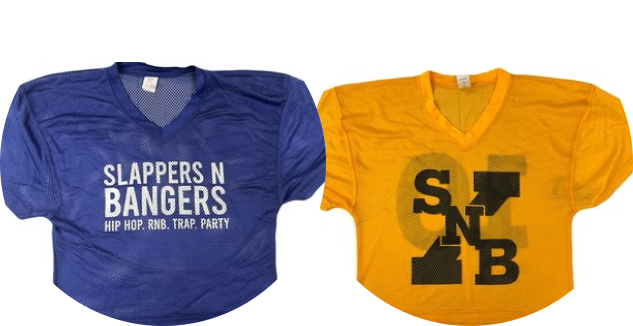
Unisex tees are cut on a men’s block, so women usually size down one letter for a fitted look and stay true to size for something looser. The one move that beats every chart: measure your own chest in inches, then match that number to the brand’s actual size chart instead of trusting the letter alone. If you land between two sizes, size down for fitted, size up for oversized or layering.
TL;DR:
- Measuring your chest accurately in inches and comparing it to each brand’s specific size chart is the most reliable way to choose the right shirt size.
- Unisex shirts typically have a wider chest measurement than women’s sizes, often by 3 to 4 inches, and sizing varies significantly across brands like Bella+Canvas, Gildan, and Next Level.
- For an fitted look, size down one letter from your usual, and for an oversized fit, size up by one or two, prioritizing chest ease over length.
- Fabric type and washing method can significantly affect fit, with cotton shrinking and stretchability influencing how the shirt wears over time.
- Always check retailer return policies before purchase, especially for custom or event merch, to avoid issues with sizing mistakes or final sales.
Table of Contents
- What Does a Standard Unisex T-Shirt Size Chart Look Like?
- How Do You Measure Yourself and a T-Shirt Correctly?
- How Do Unisex Sizes Convert to Men’s and Women’s Sizing?
- Fitted, Standard, or Oversized: How Do You Pick?
- Why Do Blank Brands Fit So Differently?
- How Slappers N Bangers Handles Sizing for Event Merch
- How Do International Sizing Standards Compare?
- How Should You Account for Fabric Stretch and Shrinkage?
- What’s the Best Way to Measure When You Can’t Try Anything On?
- What Should You Know About Returns and Exchanges Before Ordering?
- The Sizing Rule That Actually Matters Most
- Getting Merch Right for Your Next Slappers N Bangers Event
- Where to Double-Check Your Size Before You Buy
- Sources
- FAQ
What Does a Standard Unisex T-Shirt Size Chart Look Like?
Every brand’s unisex shirt size guide starts from the same rough skeleton, even though the exact inches shift from label to label. Chest is the number that matters most. Length and body width matter for how the shirt drapes, but chest determines whether it fits across your shoulders and torso at all.
Here’s a usable baseline chart pulled from typical unisex specs, useful for a gut check before you dig into any specific brand’s page:
Notice the difference between “chest” and “body width.” Chest is your actual measurement around the fullest part of your torso. Body width is the flat-lay garment spec, measured armpit to armpit and doubled, which is why it reads narrower than the chest range it corresponds to. Confusing the two is the single most common mistake people make when they compare their own tape-measure number to a size chart that’s actually listing flat garment dimensions.
Treat this chart as a starting point, not gospel. A size chart and converter that spans multiple brands will show you how much these numbers shift once you leave the baseline, and the product page for whatever shirt you’re actually buying is the only chart that counts once you’ve narrowed things down.
How Do You Measure Yourself and a T-Shirt Correctly?
Get this step right and everything downstream gets easier. Get it wrong and no size chart will save you.
- Measure your chest at the fullest point, usually right across the nipple line, keeping the tape level and snug but not compressing anything.
- Measure length from the high point of the shoulder straight down to where you want the hem to land.
- Measure armpit to armpit on an existing tee you already own and like, laid flat, then double that number to estimate chest width.
- Do each measurement twice. Tape measures slip, and a lopsided reading throws off your whole comparison.
- Wear a thin layer, like a fitted undershirt, while measuring your body so bulky clothing doesn’t inflate the numbers.
Pro Tip: Skip the tape measure entirely if you already own a unisex tee that fits the way you like. Lay it flat, measure armpit to armpit and shoulder to hem, and compare those two numbers directly against a brand’s flat-lay specs. Measuring a shirt that already fits is often more reliable than measuring your body, since it accounts for how you actually wear things, not just your raw dimensions.
How Do Unisex Sizes Convert to Men’s and Women’s Sizing?
Unisex clothing measurements run wider in the chest than women’s sizing at the same label, sometimes by 3 to 4 inches at the identical letter. That gap is why a women’s medium doesn’t automatically mean a unisex medium, even though the label reads the same.
A rough conversion looks like this:
| Women’s Size | Unisex Size (Fitted) | Unisex Size (Relaxed) |
|---|---|---|
| XS | XS | S |
| S | XS/S | M |
| M | S | M/L |
| L | M | L |
| XL | L | XL |
- Size down one letter if you want the shirt to sit close to the body, the way a women’s fit usually does.
- Size down two letters only if you’re going for a cropped or noticeably fitted silhouette, and check sleeve length before you commit.
- Keep the same converted size if you want a relaxed, boyfriend-style drape.
- Skip the letters entirely when you can and just match your chest measurement to the brand’s chest range. Labels are a shorthand; inches are the truth.
Men’s sizing and unisex sizing overlap closely enough that most men can order their normal size without adjustment. The real variability shows up between brands, not between men’s and unisex charts.
Fitted, Standard, or Oversized: How Do You Pick?
“Ease” is the gap between your actual chest measurement and the finished garment measurement. It’s the single best way to size unisex shirt sizing based on the look you want, rather than guessing off a letter.
- Fitted (0–1 inch of ease): the shirt sits close to your body. Size down if you’re between two sizes and want this look.
- Standard (2–4 inches of ease): the everyday, slightly relaxed fit most unisex tees are designed around. Stay true to your measured size.
- Oversized (4+ inches of ease): a deliberately loose, drop-shoulder look, or room to layer a hoodie underneath. Size up one, sometimes two.
Chest always outranks length in this decision. A shirt that’s slightly long is easy to live with; a shirt that’s tight across the chest never gets more comfortable.
For group orders, whether it’s a bachelor party or a full event’s merch table, order a couple of sample sizes ahead of the bulk run and keep two or three spares in the most common sizes. Nobody remembers their exact size when a merch line is ten deep.
Why Do Blank Brands Fit So Differently?
The single biggest source of sizing frustration isn’t unisex sizing itself. It’s that “medium” means something different depending on which blank the shirt is printed on.
- Bella+Canvas 3001: runs slimmer and more fitted through the body, popular for a more tailored unisex look.
- Gildan 5000: cut boxier and roomier, a classic choice for relaxed or oversized fits.
- Next Level: generally trends slimmer as well, closer to Bella+Canvas than Gildan in feel.
These aren’t small tweaks. Brand blanks can differ by 2 or more inches in chest at the exact same labeled size, which is why the same “large” fits completely differently depending on which of these three you’re holding.
On top of brand differences, expect fabric to move. 100% cotton shirts generally experience minor shrinkage during the first wash, which can slightly affect fit, so a shirt that fits perfectly out of the bag can tighten up noticeably after laundering.
Before you order, run through this quick checklist: chest measurement, body length, sleeve length, fabric composition, and a scan of customer reviews for consistent complaints about running small or large.
How Slappers N Bangers Handles Sizing for Event Merch
Mixed crowds are the whole reason unisex exists as a category. When you’re printing shirts for a party, a block party, or a multi-city tour stop, you don’t know in advance who’s buying, so a single unisex run covers far more people than splitting into separate men’s and women’s cuts.
Our approach for event merch runs on a few fixed rules:
- Order sample sets in at least two sizes before committing to a full print run.
- Start bulk orders on a standard bell-curve distribution, roughly 15% small, 30% medium, 30% large, 15% extra large, and 10% 2XL, then adjust based on past event data.
- Add spare units in the most requested sizes, since merch tables run out of mediums and larges first every single time.
- Build a simple exchange plan for attendees who grab the wrong size in the rush of a merch line.
How Do International Sizing Standards Compare?
US, EU, and Asian sizing standards don’t line up the way most people assume, and the gap widens the farther you shop outside your home market. A US medium and a EU medium can differ by a size and a half in chest inches, and Asian sizing frequently runs a full size or smaller than US charts at the same label.
The fix is the same regardless of which region’s chart you’re looking at: convert everything to inches or centimeters and compare that number, never the letter or number on the tag. A “L” printed on a shirt made for one regional market carries zero guaranteed relationship to an “L” from another.
A few practical habits make this manageable:
If you’re ordering from an international brand or manufacturer, look specifically for a size chart that lists chest measurement in inches or centimeters rather than relying on the size label. Most legitimate apparel sites selling across regions will publish this, precisely because they know the labels don’t translate cleanly.
If no measurement chart exists, treat that as a warning sign rather than an inconvenience. Reach out and ask for the flat-lay chest and length measurements before ordering, especially for bulk or event orders where a sizing mistake means dozens of wrong shirts rather than one.
Keep in mind that “unisex” as a cut concept holds up reasonably well across regions. The block is similar. The actual dimensions attached to each labeled size are what shift, sometimes dramatically, from one country’s manufacturing standard to another’s.
How Should You Account for Fabric Stretch and Shrinkage?
Fabric behavior explains a huge chunk of the sizing complaints that actually have nothing to do with the size chart being wrong. A shirt measured correctly at the factory can still end up fitting differently in your closet.
Cotton is the biggest variable. Expect meaningful shrinkage on the first wash for any heavyweight cotton tee, and plan your size choice with that in mind rather than being surprised later. Blends behave differently: shirts with polyester mixed in tend to hold their original dimensions far more consistently, since synthetic fibers don’t shrink the way natural cotton fibers do.
Stretch works in the opposite direction. Ring-spun cotton and jersey knits will loosen slightly with wear over the course of a day, which is part of why a shirt can feel snug in the morning and comfortable by evening. That stretch mostly recovers after washing, assuming you’re not machine-drying on high heat repeatedly.
A few habits keep shrinkage from wrecking your sizing decision:
Wash new shirts in cold water and skip the dryer, or use the lowest heat setting available, for at least the first few washes. Check the garment tag for exact fabric composition before you buy, since a 100% cotton shirt and a cotton-polyester blend will age completely differently even if they’re the same size on day one. If you’re ordering for an event or a group where reprints aren’t an option, order the shirts slightly roomier than your measured ideal, since shrinkage pulls a perfect fit toward tight, not the other way around.

What’s the Best Way to Measure When You Can’t Try Anything On?
Buying online without a fitting room means your measuring tape has to do all the work a dressing room mirror normally would. The good news: it’s more reliable than people expect, as long as you skip one common mistake.
Don’t measure your body and stop there. Measure your body, and separately measure a shirt you already own that fits the way you want the new one to fit. Comparing those two sets of numbers against the product page’s chart gives you a far more accurate read than either measurement alone, because it tells you not just your size but your fit preference in actual inches.

Before adding anything to your cart, confirm the listing includes a garment measurement chart, not just a size label like “M” or “L.” A page that lists only letter sizes without inches is asking you to guess, and guessing is exactly what leads to a stack of wrong-size shirts sitting in a drawer.
If you’re ordering for someone else, whether it’s a partner, a friend, or an entire team, ask for their chest measurement directly rather than asking what size they normally wear. People consistently overestimate or underestimate their own size based on outdated assumptions about a brand they haven’t bought from in years. A number in inches doesn’t lie the way memory does.
For anyone still unsure, a size guide built around actual measurement technique walks through the same chest and length methodology, which is worth a second look if you want the process spelled out step by step before you commit to an order.
What Should You Know About Returns and Exchanges Before Ordering?
Read a retailer’s return policy before you buy, not after the wrong size shows up. Sizing mistakes are common enough that most legitimate apparel sellers build a return or exchange window specifically to cover them, but the terms vary enough that assuming anything is risky.
Look for three things specifically: whether returns are free or cost you shipping both ways, whether the window is long enough to actually try the shirt on and decide (some are as short as seven days), and whether exchanges for a different size are treated differently from refunds. A lot of sellers make size exchanges faster and cheaper than full refunds, since they’re not losing the sale entirely.
For custom or event-specific merch, printed with a date, a lineup, or a logo tied to a single occasion, standard return policies often don’t apply at all. Custom-printed goods are frequently final sale precisely because they can’t be resold to another customer. That makes the pre-order measuring step far more important than it would be for a plain blank tee you could return and reorder in a different size.
If you’re ordering in bulk for an event, ask directly about exchange policy for group orders before you place it, not after. A vendor that’s used to producing merch for parties or teams should have a straightforward answer, whether that’s a sample-first process or a defined window to swap sizes before the final run ships.
The Sizing Rule That Actually Matters Most
Most sizing advice online treats unisex fit like an abstract debate about what the word “unisex” even means. That’s not useful to anyone standing in front of a size chart trying to decide between a medium and a large. What actually works is boring and mechanical: measure your chest, measure a shirt you already like, and compare both numbers to the specific brand’s chart before you buy anything.
The conventional wisdom that “just order your normal size” falls apart the moment you cross between brands. A Bella+Canvas 3001 and a Gildan 5000 in the same labeled size are not the same shirt, and no amount of experience with one blank prepares you for the other. That single fact, more than any chart, is what separates people who consistently get a good fit from people who keep guessing.
If you take one thing from this: prioritize chest measurement over everything else, including the size label, the brand’s marketing copy, and what you usually wear elsewhere. Everything downstream, fit, comfort, whether the shirt survives a wash cycle without disappointing you, follows from getting that one number right first.
— Slappersnbangers@gmail.com
Getting Merch Right for Your Next Slappers N Bangers Event
Ordering shirts for a crowd is a different problem than ordering one for yourself, and Slappers N Bangers has run enough merch tables to know where sizing mistakes actually happen. We build every merch run around sample sets and a real size chart at checkout, not a guess based on how many “larges” seemed like a good idea last time.

Sizing guidance is often provided at ordering, with sample options before committing to bulk quantities, and arrangements such as pickup at events or direct shipping to attendees who preorder ahead of time can be made. That’s the difference between a merch table that runs smoothly and one that turns into a return-and-exchange headache by the third song.
If you’re planning to grab merch at an upcoming show or want to look into ordering for a group, head to the Slappers N Bangers homepage to see current events and get in touch about samples.
Where to Double-Check Your Size Before You Buy
A few resources are worth bookmarking anytime you’re unsure about a specific brand’s fit. The unisex size chart and converter is useful for translating between unisex, men’s, and women’s sizing when a product listing only gives you one of the three. A brand-by-brand size chart breakdown helps when you’re comparing blanks like Bella+Canvas against Gildan. Whatever tool you use, treat it as a cross-check. The seller’s own product-spec page is always the final word before checkout.
Sources
- Unisex Size Chart & Converter: Men’s & Women’s Sizing – Arklavo
- T-Shirt Size Chart 2026: Men, Women, Youth Sizing Guide | T-Shirt Elephant
FAQ
How Does Unisex T-Shirt Sizing Work?
Unisex sizing is built on a men’s block, using chest measurement as the primary sizing point rather than separate cuts for different body types. Match your chest in inches to the brand’s chart rather than assuming your usual letter size carries over.
Do Unisex Shirts Run Big or Small?
Unisex tees generally run larger and boxier than women’s sizing at the same label, often 3 to 4 inches wider in the chest. They run close to true to size compared with standard men’s sizing from the same brand.
Is a Unisex Size Smaller Than a Women’s Size?
No, it’s the opposite: a unisex size at a given letter is typically larger than a women’s size at that same letter. That’s why women usually size down one letter when shopping unisex for a fitted look.
What Does “Unisex” Mean in Sizing?
“Unisex” means the shirt is cut from a single size block designed to fit a wide range of body types, rather than offering separate men’s and women’s silhouettes. It’s why event organizers, including Slappers N Bangers, favor unisex cuts for mixed-crowd merch runs.