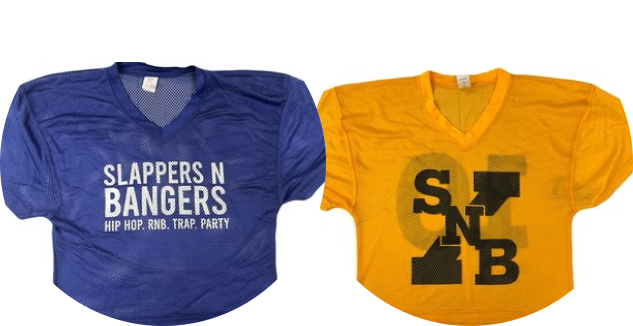
Denim shorts with a graphic tee, a flowy maxi dress, a matching two-piece set, boho layers, subtle western touches, and a rave-ready bodysuit are the six festival outfit formulas doing the heavy lifting this season. Each one holds up through hours of standing, dancing, and sweating, and each one transitions from blazing afternoon sun to a cooler night set without a full outfit change. Keep reading for exactly what to buy, how to style it, and where to wear it.
TL;DR:
- Choosing versatile hero pieces like matching sets or slip dresses allows for easy styling and repeated wear beyond festival season.
- Footwear must match ground conditions, with boots or sneakers for muddy terrain and platform shoes for indoor or paved venues.
- Breathable fabrics such as cotton, linen, or mesh help keep you cool, while synthetic blends trap heat and sweat.
- Packing light layers, sun protection, and a small crossbody bag ensures comfort and convenience during multi-day festivals.
- Focus on subtle genre-specific signals rather than costume elements, and invest in quality items that can be used repeatedly for sustainable fashion.
Table of Contents
- Shoppable Festival Outfit Ideas: 6 Hero Looks Worth Building Around
- How Do You Build Each Festival Outfit Archetype?
- What Shoes Should You Wear to a Festival?
- Which Fabrics Actually Keep You Cool at a Festival?
- What Accessories Do You Actually Need at a Festival?
- Your Festival Packing Checklist and Day-to-Night Transition Plan
- What Do Real Party-Goers Actually Wear to Summer Events?
- Ready-to-Wear Shortlist: Grab-and-Go Outfit Formulas
- Where to Shop for Festival-Ready Pieces
- How Much Should a Festival Outfit Cost?
- How Do You Match Your Outfit to the Festival’s Genre?
- Can Festival Fashion Be Sustainable?
- Quick Editorial Take: Balancing Style and Comfort at Festivals
- Where to Actually Wear These Outfits This Summer
- Sources
Shoppable Festival Outfit Ideas: 6 Hero Looks Worth Building Around
Every look below works because it’s built on one hero piece you can restyle long after the festival ends, an approach Who What Wear has been pushing for years, instead of one-off costume pieces.
- Denim shorts + graphic tee + chunky sandals. Best for a daytime lawn set. Size the shorts one notch looser than your usual fit since you’ll be sitting on grass for hours. Tuck the tee in loosely and knot it if you want more movement.
- Maxi dress + wide-brim hat + flat sandals. Best for an all-day outdoor block party. Look for a dress with side slits or a built-in stretch panel so walking and dancing don’t feel restricted.
- Matching crop top and shorts set + platform sneakers. Best for a high-energy dance floor where you’re on your feet the whole set. The matching cut reads pulled-together without a single accessory.
- Boho layered top + fringe or suede bag + ankle boots. Best for a multi-day camping festival with cooler mornings. Layer a lightweight kimono over a tank so you can shed it by noon.
- Western-inspired top + belt with a statement buckle + boots. Best for a country-leaning lineup. Keep it to one western signal, like the buckle or the boots, so it reads styled rather than costumed.
- Bodysuit + mesh overlay + belt bag. Best for a rave or EDM stage where sweat and movement are constant. The mesh overlay adds coverage between sets without trapping heat.
For a Pittsburgh-specific version of this formula, our day party outfit guide breaks down what actually survives a full afternoon outdoors.
How Do You Build Each Festival Outfit Archetype?
Denim-based outfits work best in a relaxed, slightly oversized silhouette. A boxy or bermuda short paired with a fitted top balances proportions better than matching tight-on-tight. If the forecast dips after sundown, throw a cropped denim jacket over the tee. It’s the layer editors keep coming back to for exactly this reason.
Maxi and boho dresses need fabric that breathes and blocks sun at the same time. Cotton gauze and rayon blends move air better than polyester and won’t cling once you start sweating. A wide-brim hat doubles as sun protection and a photo prop.
Matching sets and slip dresses are your best bet for quick day-to-night transitions because they read as one clean outfit no matter what you layer on top. Stick to jersey or lightweight knit sets. Anything stiff will show sweat lines by 3 p.m.
Western touches work in small doses. One buckle, one boot, maybe a bandana tied to your bag. Stack more than two and you cross from “inspired” into costume territory, which stylists say festival fashion is actively moving away from in favor of subtler genre nods.
What Shoes Should You Wear to a Festival?
Match your shoes to the ground, not the outfit. Grass and mud call for boots or closed sneakers with real tread. Paved lots and city block parties are sandal-friendly if the surface stays dry. Arena floors and indoor venues are the one place platform sneakers or block heels can survive a full night standing.
- Grass, dirt, or camping grounds: boots or closed sneakers with traction.
- Pavement, sidewalks, or downtown block parties: sturdy sandals or sneakers.
- Arena floors or indoor stages: platform sneakers or low block heels.
Break in any new pair at least a week ahead. Blisters at hour two of an eight-hour day ruin outfits faster than any wardrobe malfunction. Thin moisture-wicking socks and a gel insole go a long way if you’re wearing boots in the heat, and adjustable straps beat a fixed buckle when your feet swell by evening.
Pro Tip: Pack a compact pair of foldable flats or slides in your bag. When your feet give out at hour six, you’ll be glad you didn’t rely on the boots to make it to last call.
Which Fabrics Actually Keep You Cool at a Festival?
Cotton, linen, modal, and mesh are your friends because they let air move instead of trapping heat against your skin. A linen romper or a modal tank will feel noticeably cooler by mid-afternoon than the same silhouette in a heavy synthetic blend.

Skip thick polyester, anything with a vinyl or pleather finish, and unlined jackets that don’t breathe. They hold heat and sweat in exactly the spots you don’t want them, especially if you’re dancing for hours straight.
Pack one light layer that folds small, a mesh kimono, a thin flannel, or a denim jacket, editors specifically call out for exactly this reason: festival days run hot, but the temperature drop after sunset catches almost everyone off guard.
What Accessories Do You Actually Need at a Festival?
- Bag: a crossbody or belt bag beats anything you have to hold, and keeping it zipped and worn to the front cuts down on pickpocket risk in a crowd.
- Sun protection: sunglasses plus a hat or bandana covers both style and skin, and packing a backup pair of sunglasses saves the day when one inevitably gets crushed.
- Jewelry: stick to pieces that won’t snag on a crowd or your own hair, chokers and small hoops over dangly earrings and long necklaces.
- Sunscreen: a small stick or spray fits in any bag and takes seconds to reapply between sets.
Your Festival Packing Checklist and Day-to-Night Transition Plan
Multi-day festival veterans build their bags around a few non-negotiables, and a detailed packing guide for camping events backs up the same short list:
- A spare pair of shoes (flats or slides).
- One packable light layer for after dark.
- Sunscreen, travel-size.
- Face wipes or blotting sheets.
- A portable phone charger.
- A mini first-aid kit (bandages, pain reliever, blister pads).
- A backup pair of sunglasses.
- Hair ties and bobby pins.
To flip your outfit from day to night in under a minute, swap sandals for boots or platforms, clip on one statement accessory like a belt or layered necklace, and touch up with a bold lip or shimmer instead of a full makeup redo. Keep all of it in one small crossbody so your hands stay free.
What Do Real Party-Goers Actually Wear to Summer Events?
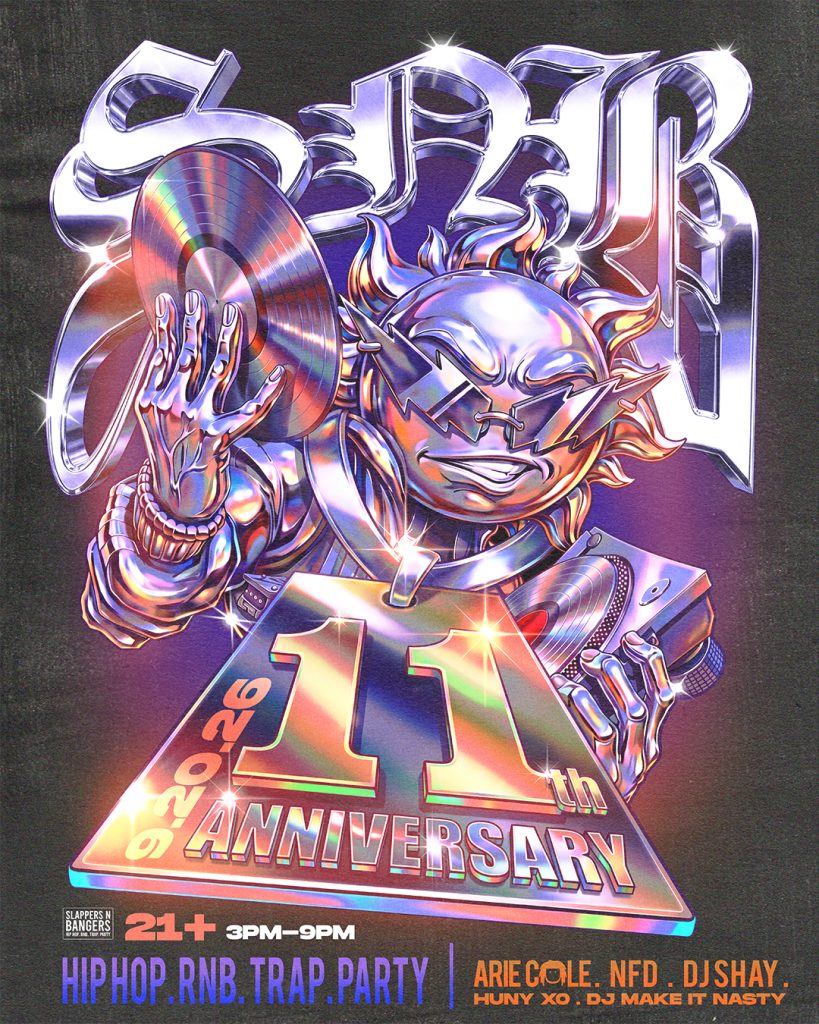
At Slappersnbangers events, the outfits that hold up all night are almost always the simple ones: a matching set or bodysuit, comfortable shoes, and a crossbody bag. Attendees who show up in strappy sandals for a standing-room outdoor party regret it by the second hour, every time. The ones who last are wearing sneakers or boots with a light layer they can shed once the crowd gets moving. If you want to see the kind of energy these outfits are built for, our Pittsburgh summer outdoor party roundup shows exactly what a full night looks like.

Ready-to-Wear Shortlist: Grab-and-Go Outfit Formulas
If you’re shopping in the next ten minutes and just need a formula that works, these five combinations require zero extra thought:
- Graphic tee tucked into denim shorts, chunky sandals, crossbody bag.
- Slip dress, ankle boots, layered necklace.
- Crop top and matching shorts, platform sneakers, belt bag.
- Bodysuit, mesh kimono, sneakers.
- Linen romper, wide-brim hat, flat sandals.
Each one is built around a single hero piece, the dress, the set, the bodysuit, that you can wear again outside a festival setting. That’s the whole point of restyling over costuming: you’re not buying an outfit you’ll wear once and shove in the back of a closet. You’re buying a piece that earns its place in your regular wardrobe rotation, then happens to double as festival-ready when the season hits.
Where to Shop for Festival-Ready Pieces
Retailers built around trend-driven, fast-turnaround fashion, think Princess Polly and similar direct-to-consumer labels, tend to carry the exact silhouettes festival outfits are built around: matching sets, slip dresses, crop tops, and platform sandals, usually at a lower price point than department stores. That matters if you’re building four or five outfits for a multi-day event and don’t want to spend department-store prices on each one.
When you’re shopping, search by the archetype rather than the occasion. “Matching set,” “linen romper,” and “platform sneaker” pull up more relevant results than “festival outfit,” which tends to surface costume-heavy pieces you’ll never wear again. Filter by fabric content when the option exists. A listing that specifies cotton, linen, or modal saves you from a wall of polyester items that will trap heat on the day.
How Much Should a Festival Outfit Cost?
You can build any of the six hero formulas for well under $100 total if you shop smart, and spending more doesn’t automatically mean a better outfit. The bodysuit or matching set is usually your biggest line item, generally $25 to $45 depending on the brand, with shoes as your second-largest cost.
Budget-conscious shoppers get the most value out of pieces that double as regular wardrobe items: a slip dress you’ll wear to dinner later, sneakers you already own, a denim jacket that’s been in rotation since spring. Save the splurge, if there is one, for shoes, since a $60 pair of sneakers with real support will outlast three cheap pairs that fall apart after one sweaty weekend. Renting or borrowing statement pieces, like a fringe jacket or a specific western boot, is worth considering if it’s a one-time look you won’t repeat.
How Do You Match Your Outfit to the Festival’s Genre?
Stylists increasingly treat festival dressing as genre-specific rather than one-size-fits-all. Pop and mainstream lineups lean bold and playful, think color-blocked sets and statement accessories. Country and Americana events lean western, with boots, buckles, and fringe as the go-to signals. Indie and alternative lineups favor an off-duty, undone look: slip dresses, band tees, minimal jewelry. Hip hop, rap, and R&B events tend to reward clean, confident silhouettes, fitted sets, bold color, sneakers that make a statement rather than blend in.
The move stylists recommend is interpreting the genre’s aesthetic rather than costuming it outright. You don’t need an actual cowboy hat at a country festival. One buckle or one boot gets the message across. Same logic applies across every genre: pick the one or two signals that read the vibe, and build the rest of the outfit around comfort and your own style.
Can Festival Fashion Be Sustainable?
Festival wardrobes have a reputation for one-and-done pieces, and that reputation is earned. Sequin bodysuits and neon rave gear tend to get worn once and forgotten. The fix isn’t avoiding festival style, it’s shopping for pieces that survive past the weekend.
Buying secondhand for statement pieces, a fringe jacket, a printed maxi dress, a pair of boots, cuts down on both cost and waste, and resale platforms and thrift stores are consistently the best source for exactly the kind of one-off accent piece a festival outfit needs. Renting is worth considering for anything genuinely costume-adjacent, like a full western fringe set you’ll wear once. For everyday hero pieces like a bodysuit or a slip dress, buying quality over quantity, one that fits well and holds up to hand-washing, beats a cheaper version you’ll replace by next season.
Quick Editorial Take: Balancing Style and Comfort at Festivals
The best festival outfit is the one you forget you’re wearing by hour four. Style that requires constant adjusting, a strap that won’t stay up, sandals that rub, isn’t actually style, it’s a distraction from the reason you’re there. Treat these six formulas as a starting frame, not a script. Swap the sandals for boots if your festival is muddy. Trade the crop top for a tank if the sun’s brutal. The outfit that photographs well and survives the night is always the one built around your actual comfort, remixed to fit your own taste.
— Slappersnbangers@gmail.com
Where to Actually Wear These Outfits This Summer
All six of these formulas were built with one thing in mind: a night where you’re on your feet, dancing, and not thinking twice about your outfit. That’s exactly the environment these types of events create. Our hip hop, rap, and R&B events are high-energy, outdoor and indoor, and built for exactly the kind of movement these outfits are designed to survive.

If you’re planning your next outfit around an actual event, check out the lineup for a local 400 Degreez party in Pittsburgh, or browse Hip Hop and R&B events happening across Pittsburgh this summer to find a date that fits your calendar. Grab your ticket, plan the outfit, and show up ready to move.
Sources
- Summer concert outfit ideas for day-to-night comfort | InStyle
- Summer concert outfits 2026 | Marie Claire
- Summer Camp Music Festival 2026: What to Wear + Complete Outfit Guide | Freedom Rave Wear
- Festival outfit ideas | Who What Wear