Smoking at concerts is banned at most indoor venues, and vaping and cannabis usually fall under the same rule. Outdoor festivals are looser, with some offering designated smoking areas and others tolerating it. Below we cover venue policies, health evidence, etiquette, enforcement, crowd culture, and how we handle it at our own events.
TL;DR:
- Before leaving, check ticket terms, the venue’s prohibited items list, and event updates; outdoor festivals range from designated areas to sitewide bans.
- A study found three hours outdoors near bar and restaurant patios raised tobacco exposure biomarkers in nonsmokers, showing that open air does not eliminate exposure.
- Even where adult cannabis use is legal, venue rules usually prohibit it on site, and smoking bans typically cover vaping as well.
- Staff may escalate from a warning to device confiscation or removal, and ejection usually brings no refund; do not rely on crowd density to avoid detection.
- At outdoor shows, choose an upwind spot; indoors, stay near an aisle or exit, and ask staff for help if smoke persists.
Table of Contents
- How do venue smoking policies differ at arenas, clubs, and festivals?
- Can you vape or use cannabis at concerts?
- What does the evidence say about secondhand smoke at events?
- What should you do if someone smokes near you at a show?
- What happens when someone breaks the smoking rules?
- How common is smoking or vaping at concerts today?
- How do we handle smoke rules at our own events?
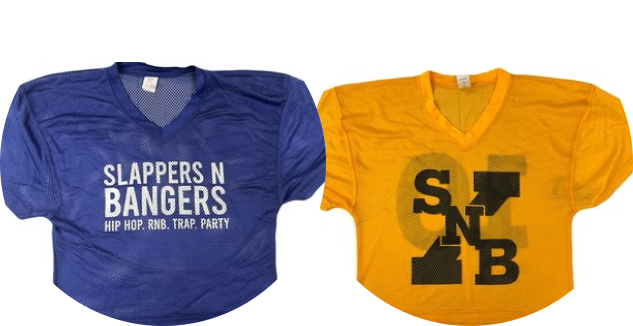
- Where can you find smoke-aware shows and SNB merch?
- FAQ
- Sources
How do venue smoking policies differ at arenas, clubs, and festivals?
Walk into an indoor arena, theater, or club and you can expect a smoke-free room. Venue rules and local smoke-free laws usually back each other up, so a pack of cigarettes in your pocket stays in your pocket until you step outside. Outdoor shows are where it gets interesting, and where you’ll hear most of the “wait, can you smoke here?” questions.
Open-air festivals run on a spectrum. Some fence off designated smoking areas, others ban smoking across the whole site, and a few simply look the other way in the crowd. The same weekend can feel totally different from one stage to the next.
What shapes the rules at any given show:
- Local smoke-free laws set the floor for what a venue can allow.
- Insurance and liability concerns push venues toward tighter rules.
- Capacity and emergency plans matter, since open flames and packed crowds don’t mix.
- Ticketing and platform terms often spell out prohibited items in the fine print.
Checking before you go is quick. Read the ticket terms, scan the venue’s website for a prohibited-items list, and look at the event’s social channels, where organizers often post day-of reminders. If you’re planning an outdoor run this summer, our outdoor hip hop festival guide helps you find shows and know what to expect. Traveling for a festival? A curated guide like this Southern California festivals rundown is handy for logistics and checking onsite policies.
Can you vape or use cannabis at concerts?
Mostly no. Venues that ban smoking almost always ban vaping too, because exhaled aerosol is visible and creates the same enforcement headache as a lit cigarette. Staff can’t tell at a glance what’s in a device, so the rule covers the whole category.
Cannabis adds a legal layer. Whether adult use is legal depends on where you are, but legal on the street doesn’t mean allowed on venue property. Most venues prohibit it on-site regardless, and that holds even in places where the law is relaxed.
What this means for you:
- Smell and visible clouds make cannabis and vaping easy for staff to spot, so don’t assume a dense crowd hides you.
- Crowd tolerance varies, and one tolerant section doesn’t mean the venue allows it.
- Secondhand exposure is measurable in event settings, which we dig into below.
- Step outside if the venue permits re-entry, or use a designated area where one exists.
If you’re unsure, treat vapes and cannabis exactly like cigarettes: off-limits inside, and only outside where posted rules say so.
What does the evidence say about secondhand smoke at events?
Even outdoors, secondhand smoke gets into your body. In a crossover study of nonsmokers spent three hours outside a bar and a restaurant, researchers found significant increases in salivary cotinine and next-day urinary NNAL, which are markers of tobacco uptake. Those were patios where indoor smoking was already banned.
Three hours outdoors was enough to raise nicotine and tobacco-toxin biomarkers in nonsmokers. That’s about the length of a headliner set plus an opener.
Vapes aren’t a free pass. CDC analysis concludes there is no safe level of secondhand tobacco smoke exposure, and it notes that e-cigarette aerosol isn’t harmless, since it can carry nicotine, metals, ultrafine particulates, and other toxicants.
Cannabis shows up in the data too. A NIOSH evaluation at open-air stadium events found measurable THC in some air samples and small urine metabolite traces in some police officers. Participants reported burning or itchy eyes, dry mouth, headache, and coughing.

Workers feel it most. Studies of bars and nightclubs measured much higher airborne nicotine and elevated employee nicotine uptake in smoking venues than in smoke-free ones.
Who should be extra careful:
- People with asthma, who can react quickly to smoke and aerosol.
- Pregnant people, for whom any avoidable exposure is worth dodging.
- Children and teens, whose bodies are still developing.
- Anyone sensitive to smoke, who should plan their spot in the venue accordingly.
What should you do if someone smokes near you at a show?
Keep it calm and keep it quick. Most people near you aren’t trying to cause trouble, and a friendly nudge solves the problem more often than you’d think.
- Move a few feet if the crowd allows it. Sometimes that’s all it takes.
- Ask politely. Try “Hey, I’m sensitive to smoke, would you mind stepping over to the smoking area?”
- Find the designated area if the venue has one, and point it out.
- Flag staff if the person ignores you or the smoke keeps drifting your way. You don’t have to confront anyone.
- Get emergency help if someone has trouble breathing. Contact emergency services immediately.
Pro Tip: Pick your spot before the crowd packs in. Aim for the upwind side at outdoor shows, stay near an aisle or exit indoors, and toss a disposable mask in your bag if you’re sensitive to smoke.
Smoke isn’t the only thing to sort out before doors open. Our concert packing list and ID requirements guide cover the rest of the pre-show checklist so nothing slows you down at the gate.
What happens when someone breaks the smoking rules?
Enforcement usually starts small and escalates. A verbal warning comes first, and most people put the cigarette or vape away right there. Keep going and the next steps are confiscation of the device and, for repeat or unsafe behavior, removal from the event.
How strict it gets depends on the setting:
- Indoor ticketed shows and family-focused events tend to enforce the hardest.
- Outdoor gatherings can feel looser, but staff still step in when they see a violation.
- Liability, insurance, and local ordinances shape how firmly a venue applies its policy.
- Staff presence matters. More eyes on the crowd means faster responses.
The practical takeaway: assume the rule will be enforced, and don’t count on a packed crowd to protect you from being spotted. Ejection usually means no refund, which is a rough way to lose a ticket.
How common is smoking or vaping at concerts today?
It depends heavily on the room. Most arenas and many clubs are smoke-free, so you’ll rarely see it inside. Outdoor festival crowds are where open use is more visible, and a few scenes lean more permissive than others.
What to expect by show type:
- Arenas and theaters: expect smoke-free, with any use happening outside.
- Clubs: usually smoke-free inside, with smokers gathering near the entrance.
- Outdoor festivals: the widest range, from strict bans to tolerated use.
- Trends: vaping has grown more visible in recent years, while cigarette use has declined but still shows up in some crowds.
Organizers have their own reasons for going smoke-free. Research on large festivals shows events can trigger smoking relapse, and smoke-free policies are one way to denormalize tobacco and protect attendees and staff.
How do we handle smoke rules at our own events?
We set our smoke rules to protect health, safety, and the vibe on the floor. Indoors, we follow the venue’s policies. Outdoors, we plan the layout with the crowd in mind. Check event information for details about the rules. We balance crowd culture with harm reduction and legal obligations, and we’d rather you enjoy the night than fight over a lighter. Planning your outfit for a packed room? Our indoor concert outfit guide helps.
— Slappersnbangers@gmail.com
Where can you find smoke-aware shows and SNB merch?
If you want a night built around the music and the crowd, we’ve got dates on the calendar and gear ready to wear. Grab your tickets, then rep the culture on the way in.

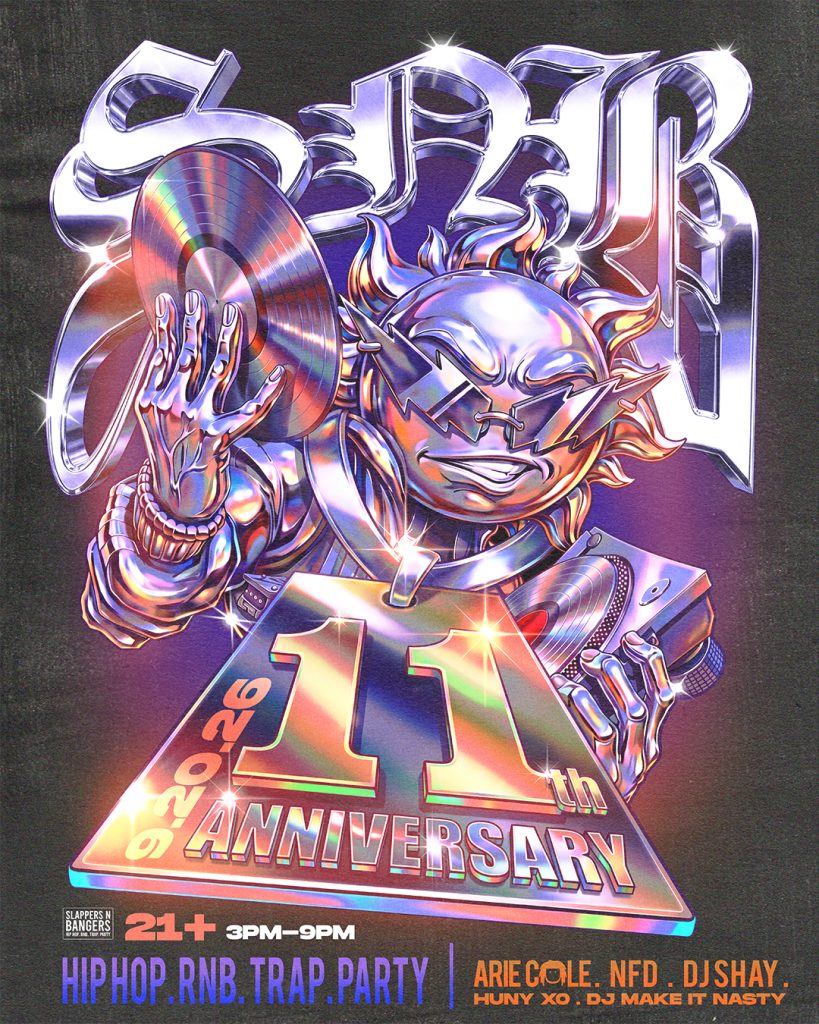
- Check upcoming dates on our events page, including August SNB: 400 Degreez.
- Browse our merchandise.
- Browse our new and limited-edition items on the Slappers N Bangers homepage.
This article is general information, not a substitute for advice from a qualified doctor. Consult a qualified healthcare professional about your own circumstances before acting on anything here.
FAQ
Can you be a singer if you smoke?
Yes, some singers smoke. If you’re concerned about how smoking may affect your voice, a doctor or voice coach can offer advice. Many vocalists cut back or quit to protect their range and stamina. Doctors and voice coaches can give advice specific to your situation.
Can you fail a drug test from secondhand smoke at a concert?
It’s unlikely but not impossible in heavy exposure. A NIOSH evaluation at open-air stadium events found small urine metabolite traces in some police officers exposed to secondhand cannabis smoke. If a test matters to you, stay away from smoky areas and talk to the testing provider.
Can you vape at concerts?
Usually not. Venues that ban smoking typically ban vaping too, since the visible aerosol creates the same enforcement problem. Check the venue’s prohibited-items list before you go, and step outside only where posted rules allow it.
Is secondhand vape aerosol harmless?
No. CDC analysis finds that secondhand e-cigarette aerosol may contain nicotine, metals, ultrafine particulates, and other toxicants. It isn’t just water vapor, so giving others space still matters.
Sources
- Exposure to Secondhand Smoke Outside of a Bar and a Restaurant and Tobacco Exposure Biomarkers in Nonsmokers
- Cdc