Safe partying comes down to five habits: a plan for the night, a crew that sticks together, a clear head about what you’re drinking or taking, protected ears, and a ride home you’ve already figured out. None of it kills the vibe. It’s what lets you stay on the dance floor until the last song.
We throw hip hop, R&B and trap parties, so this is the version we’d tell a friend before a big night out, whether it’s a packed room or a field with thousands of people.
TL;DR
- Set your plan before you leave: who you’re with, a meeting point, a charged phone, and how you’re getting home.
- Count standard drinks, not cups. A “drink” at a crowded bar is often more than one, and no social-media ratio is a safe limit.
- If someone is unresponsive and you can’t tell why, treat it as an emergency: call 911, give naloxone if you have it, and stay with them.
- Wear earplugs and keep away from the speaker stacks. Hearing damage doesn’t heal.
- Not drinking is a completely normal way to party. Make it easy for yourself and your friends.
Table of Contents
- Build the Night Before You Walk Out the Door
- Stick Together and Know Your Exits
- Drinking: Count Real Drinks, Not Cups
- Mixing Substances and Spotting an Overdose
- Protect Your Ears
- Smoke, Heat and Crowds
- Outdoor Festivals Add Their Own Checklist
- Getting Home Is Part of the Party
- Why Gen Z Is Rethinking Clubbing, and Why That’s Good News
- Where We Stand
- Come Dance With Us
- A One-Page Night-Out Plan
- FAQ
- Sources
Build the Night Before You Walk Out the Door
The best safety move happens at home. New York City’s Office of Nightlife recommends sharing your location with someone you trust, telling them who you’re with, carrying valid ID, planning a sober ride, and bringing a charged phone and a charger.
Here’s the pre-game checklist we’d actually use:
- Eat first. Real food, not just a snack. Our concert food packing list covers what to bring and what to expect at the door.
- Pick a meeting point. Choose a landmark inside the venue or festival grounds before the crowd gets dense. Phones die and signals drop when thousands of people are in one place.
- Know the ID rules. Showing up without ID can mean no entry. Read up on ID requirements for concerts before you go.
- Dress for the room. Heat is a safety issue in a packed show. Here are indoor concert outfits that survive a packed show.
- Secure your valuables. Bring only what you need and keep it on your body.
Stick Together and Know Your Exits
Go with people you trust and leave with the same people. That sounds basic, and it’s the rule that matters most. If your group splits up, text before you move, not after.
When you walk into any venue, spot the exits. The New York City nightlife guidance lists knowing your exits and asking staff for help when something feels off. Staff are there to de-escalate, so use them. Don’t wait for a situation to get worse before you say something.
Going solo? It’s very doable. We wrote a guide to meeting people at concerts with openers and safer meetup tips. Tell someone where you’ll be, and keep your location shared the whole night.
Consent Is Part of the Night
Dancing close is not an invitation. Ask, accept a no right away, and step in if you see someone being pushed past theirs. Official nightlife guidance treats consent for any sexual interaction as a basic piece of party safety, and bystanders are a big part of that. A simple “hey, you good?” to a friend can change someone’s night.
Drinking: Count Real Drinks, Not Cups
The National Institute on Alcohol Abuse and Alcoholism (NIAAA) defines a U.S. standard drink as 14 grams of pure alcohol. That’s 12 fl oz of 5% beer, 5 fl oz of 12% wine, or 1.5 fl oz of 40% spirits.

The catch: a big pour of wine, a tall beer or a strong mixed drink can hold a lot more than one standard drink. At a crowded bar nobody’s measuring, so you’re guessing. Guess high.
NIAAA also says binge drinking typically means four or more drinks for women or five or more for men in about two hours, which brings blood alcohol to 0.08% or higher. That’s a description of a risky pattern, not a target. The same page notes that less alcohol is better for health and that people who don’t drink shouldn’t start.
What About the 2-2-2 and 3:2:1 Rules?
Those formulas go around social media, but they aren’t official safety standards. NIAAA’s benchmark is built on drink counts over about two hours, and it stresses that risk rises with binge patterns, including injuries, violence, car crashes and sexual assault. Your body weight, food, medications, health and how fast you drink all change the picture. A ratio can’t account for any of that.
What works better:
- Alternate every alcoholic drink with water.
- Sip slowly. Skip shots and drinking games.
- Never leave a drink unattended, and don’t accept open drinks from people you don’t know.
- If you take medication, ask your pharmacist or doctor how it interacts with alcohol before the night, not during it.
Mixing Substances and Spotting an Overdose
This is the part nobody wants to talk about and everybody should know.
The CDC says mixing alcohol with opioids, benzodiazepines or other drugs is unsafe, because combined depressant effects can slow breathing and raise overdose risk. Pills and powders sold on the street can contain things the buyer doesn’t know about, so you can’t assume you know what someone took.
Warning Signs
CDC emergency guidance lists these opioid-overdose signs:
- The person is unresponsive and can’t be woken.
- Breathing is slow or has stopped.
- Lips or fingertips look blue, gray or white.
- You hear snoring or gurgling.
What to Do
In a loud, dark room, someone who is out cold can look like they’re just drunk. Don’t gamble on that. The CDC’s advice is to treat uncertainty as a possible overdose rather than letting someone “sleep it off.”
- Call 911 right away.
- Give naloxone nasal spray if you have it. The CDC says it’s safe to use even if opioids aren’t the reason someone is non-responsive.
- If there’s no response, give a second dose. If you’re trained in CPR and they aren’t breathing, start it.
- Place the person on their side and stay with them until help arrives.
Naloxone can wear off before the opioid does. The CDC guidance says it may act for roughly 30 to 90 minutes, while opioids can last longer, so the person still needs medical evaluation even after they wake up. If you’re a regular at shows, consider carrying naloxone and learning how to use it. Your pharmacist or local health department can tell you how to get it where you live.
Protect Your Ears
Bass is the point of a hip hop night, and it’s also the thing that can hurt you. The CDC says any sound at 85 decibels or higher can cause hearing loss over time, and that the louder it is and the longer you’re exposed, the greater the damage. Once hearing is gone you can’t get it back.
Practical moves:
- Bring earplugs. High-fidelity music earplugs lower volume without turning everything to mud.
- Stay away from the speaker stacks. The CDC notes it’s even louder up close.
- Take breaks in a quieter spot every so often.
- If your ears ring after a show, that’s a warning. Rest them, and see a doctor if it doesn’t clear.
Smoke, Heat and Crowds
In a packed room, air quality and temperature matter as much as the music. Drink water, step out if you feel dizzy, and don’t push through lightheadedness. If you’re wondering what smoke around you means for your body, we pulled together what the health evidence says about smoking at concerts.
In a dense crowd, keep your feet planted, protect your phone and watch for surges. If you fall behind, move to the edge and wait for the energy to ease rather than fighting it.
Outdoor Festivals Add Their Own Checklist
Big outdoor shows bring sun, long days, long walks and shared parking. Plan around the heat, bring a refillable bottle if the rules allow it, and learn where medical and water stations are the moment you arrive. A music festival planning guide can help you think through logistics and timing when you’re traveling to one.
The exit matters more than most people think. We break down why in concert parking that puts egress first: a five-minute walk in can turn into a 45-minute crawl out. If you’re hunting for the next one, here’s how to find U.S. outdoor hip hop festivals before they sell out.
Getting Home Is Part of the Party
A sober ride is the whole plan, not an afterthought. Decide it before you go: a designated sober driver, a rideshare, or public transit that you’ve checked will still be running.
If you use a for-hire vehicle, the NYC guidance advises checking the license plate before you get in. Match the driver and car to what your app shows, share your trip with a friend, and avoid walking alone through isolated areas. In Pittsburgh, that means sorting your ride before the lights come up, because pickup spots around busy venues fill fast.
And respect the neighborhood when you leave. Keep your voice down on the block, don’t leave trash, and don’t block driveways.
Why Gen Z Is Rethinking Clubbing, and Why That’s Good News
People often ask why younger adults don’t go clubbing like previous generations. Research points to more selective habits, not less desire to connect. A November 2024 YPulse report on U.S. and Canadian young people found that Gen Z and Millennials aren’t partying or drinking like earlier generations, though social connection and the experience itself still motivate them to go out.
A 2025 Michigan Journal of Economics opinion piece, citing Gallup, reports that 62% of U.S. adults under 35 say they drink, down from 72% two decades earlier. Its argument is that club culture is evolving, with younger adults drawn to distinctive events rather than a night built around alcohol.
That matches what we see: people want music, culture and each other. Drinking is optional. If you’re skipping alcohol, our sober partying tips for shows give you nine moves for handling drink pressure.
Where We Stand
SNB started in Pittsburgh in 2015, when Arie Cole and NFD saw that local venues were hesitant to embrace hip hop and rap. We built a room where the music is played the way it was meant to be, with experienced DJs reading the crowd and a dance floor that’s packed and expressive.

That room only works if people feel good in it. In our view, a safe party isn’t a stricter party. It’s one where everyone knows the plan, looks out for the person next to them, and can say “I’m good, just water” without a second glance. Dancing, culture and connection should be the invitation. The drink is a side note.
We also think safety is shared. Organizers set expectations, staff step in when something’s off, and the crowd watches out for each other. If you run events, we put together copy-ready code of conduct templates for nightlife organizers. If you’re a guest, our concert security check page is a good place to see what to expect at the door.
— Slappersnbangers@gmail.com
Come Dance With Us
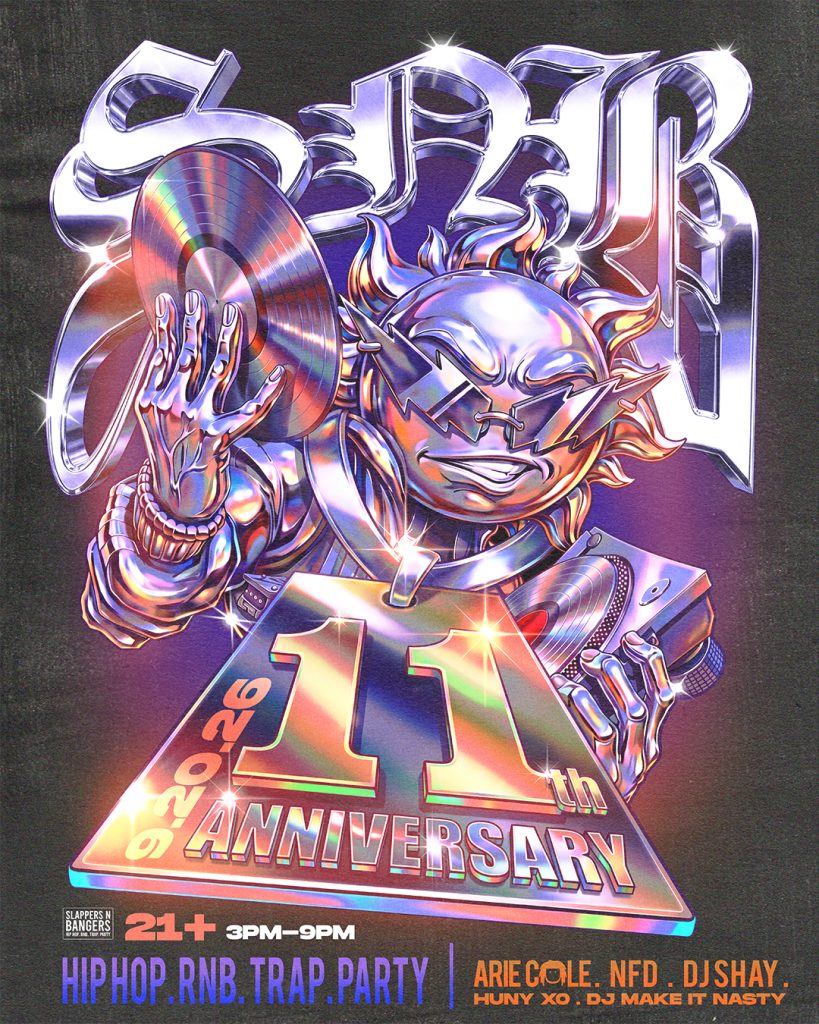
Want to put this playbook to work? Check our upcoming SNB events, including August SNB: 400 Degreez, and see the SNB 11th Anniversary and limited edition merch on our home page. Bring your crew, make your plan, and enjoy the night.
A One-Page Night-Out Plan
Screenshot this before you leave:
| Before | During | After |
|---|---|---|
| Eat a real meal | Water between drinks | Sober ride, plate checked |
| Share location | Stay with your group | Text when you’re home |
| ID, charged phone, charger | Know exits and the meeting point | Check on friends who left early |
| Earplugs in your pocket | Never leave drinks unattended | Rest your ears and hydrate |
| Agree on your ride | Tell staff if something’s off | Respect the neighborhood |
FAQ
What is the 2-2-2 drinking rule?
It’s a social-media ratio, not an official safety standard. The best evidence-based benchmark comes from NIAAA, which defines binge drinking by sex-specific drink counts over about two hours and stresses that less alcohol is better. Don’t treat any formula as a guarantee of safety.
What is the 3:2:1 drinking rule?
Like the 2-2-2 rule, it’s a popular pacing idea with no official standing. Individual risk depends on your body, food, medications, health and how fast you drink. Counting standard drinks and alternating with water is a safer habit than following a ratio.
Why don’t Gen Z go clubbing?
Many still want community and memorable nights, but they’re more selective. YPulse’s 2024 research points to a preference for familiar, lower-pressure gatherings, and Gallup data cited by Michigan economics students shows fewer young adults drinking. Events built around music and connection tend to resonate more than alcohol-centered ones.
At what age do people usually stop partying?
There’s no universal age. People tend to change how they socialize rather than stop, often choosing earlier, music-centered and alcohol-optional gatherings. What matters is valid ID, local alcohol laws and a solid plan for getting home.
Sources
- NIAAA: Defining how much alcohol is too much
- NIAAA: Harmful and underage college drinking
- CDC: Polysubstance use facts
- CDC: Naloxone info sheet
- CDC: Listen Up! Protect your hearing
- NYC Small Business Services: Nightlife party safety tips
- YPulse: Nightlife & Drinking Report
- Michigan Journal of Economics: America’s club culture is dying
- Louisiana Travelers: Hangout Music Fest guide