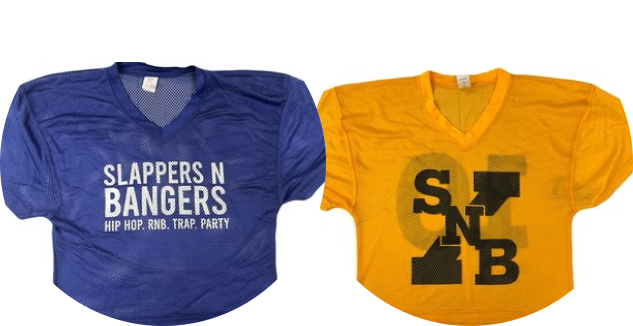
The fastest way to get merch sizing right is simple: grab a tee or hoodie you already love, lay it flat, measure it, and compare those numbers to the garment chart on the product page. Skip the S, M, L letters until you’ve done that. Letters change from brand to brand. Inches don’t.
We sell event merch at Slappers N Bangers, so we’ve watched plenty of people stand at a merch table holding two sizes and a worried look. This guide gives you the same method we’d walk you through in person, plus what to do when a seller gives you no chart at all.
TL;DR
- Measure a shirt or hoodie you already own that fits the way you want, laid flat, and compare it to the product’s garment chart.
- Check whether the chart shows garment measurements or body measurements. They are not the same thing.
- Between sizes? Go up for a loose, relaxed drape and down for a closer fit.
- No chart on the page? Look for a sizing tab, ask support, and fall back on your own best-fitting shirt as the benchmark.
- Wash cold and hang dry if you want the size you bought to be the size you keep.
Table of Contents
- Why merch sizes feel like a coin flip
- Garment measurements vs. body measurements
- How to measure a shirt you already own
- Reading the chart: what each number tells you
- True to size, runs small, runs large: how to tell
- Between sizes? Here’s how to decide
- Sizing for a packed dance floor
- Unisex sizing: what it really means
- Hoodies, tanks and hats: what changes
- No size chart? Here’s what to do
- Perspective: how we think about merch sizing
- Shop SNB merch with confidence
- Keep your merch fitting after you buy it
- A quick checklist before you order
- FAQ
- Sources
Why merch sizes feel like a coin flip
A size label is a nickname, not a measurement. One brand’s Large is another brand’s Medium, and event merch is often printed on blank garments from several different suppliers, so even two items from the same drop can feel different on the body. A boxy heavyweight tee and a soft, slim-cut tee can both say XL.
Three things drive most of the confusion:
- The cut. Classic, relaxed, oversized, cropped and fitted all hang differently at the same chest width.
- The fabric. Heavier cotton feels roomier and doesn’t cling. Lighter blends drape and can look tighter.
- The chart type. Some charts list garment dimensions (the shirt laid flat). Others list body dimensions (what you measure on yourself). Mixing them up is the number one cause of a bad order.
The good news is that a chart gives you real numbers to work with, and you already own a free measuring tool: your favorite shirt.
Garment measurements vs. body measurements
Before you compare anything, find out what the numbers describe.
Garment measurements are taken on the item itself, laid flat on a table. They include the fabric’s ease, meaning the extra room that lets you move. A tee with a 22-inch chest width is 22 inches across the front, which makes it roughly 44 inches around.
Body measurements are taken on you, usually with a soft tape around the fullest part of the chest. The garment will always be bigger than your body number, by an amount that depends on the cut.
If the chart doesn’t say which type it is, assume the more common one for merch: garment measurements, laid flat. Then confirm by checking the pattern. If the chest numbers look like 18, 20, 22, 24 across the sizes, that’s a flat width. If they look like 36, 40, 44, 48, that’s likely a circumference, either of the body or the garment.

How to measure a shirt you already own
This is the method that works for tees, long sleeves and hoodies alike. Retailers that publish their measuring rules define the points in nearly the same way. Huckberry’s sizing help page, for example, describes chest as the front width measured about an inch below the armpits, length as running from the collar and shoulder junction to the hem, and sleeve as running from the center back of the collar down to the cuff.
Here’s the routine:
- Pick the right benchmark. Choose one piece that fits exactly the way you want the new item to fit. If you want the new hoodie baggy, measure a hoodie you wear baggy. If you want a tee that’s a little trim, measure your trim one.
- Lay it flat. Smooth it out on a bed or table with no bunching. Button or zip anything that closes.
- Measure the chest. Go straight across the front, about an inch below the armholes, from side seam to side seam. Write that number down.
- Measure the length. Run the tape from the highest point of the shoulder, next to the collar, straight down to the bottom hem.
- Measure the sleeve. Start where the sleeve meets the shoulder (or the center back of the neck if the chart uses that method) and go to the end of the cuff.
- Compare. Find the chart size whose chest and length land closest to your numbers. If the product page’s method differs from yours, follow the page’s version.
Two minutes of work, and you’ve replaced a guess with a match.
A worked example
Say your favorite tee measures 22 inches across the chest and 29 inches long. You want the new merch tee to fit the same way.
The chart lists Large at 22 inches wide and 30 inches long, and Medium at 20 inches wide and 29 inches long. Large is the match: the width is identical, and the extra inch of length is no problem. Medium would be a full two inches narrower across the chest, which adds up to four inches around your torso.
Now say you want a roomier, streetwear-style fit. Compare against the next size up, which gives you 24 inches across, two inches wider, and that reads as relaxed without swallowing you.
These numbers are an illustration of the method, not an SNB chart. Always use the chart on the exact product you’re buying.
Reading the chart: what each number tells you
| Measurement | What it controls | What to check |
|---|---|---|
| Chest width (flat) | How snug or roomy the torso feels | Double it for the full circumference |
| Body length | Where the hem lands | Compare to your hip or waistband line |
| Sleeve length | Where the cuff ends | Matters most for long sleeves and hoodies |
| Shoulder width | How the shoulder seam sits | Wider than your shoulders gives a drop-shoulder look |
A few habits make charts easier to read:
- Double the flat chest when you want to compare against a tape measurement of your body. Add a few inches of ease to your own chest number for a standard tee and more for a relaxed cut.
- Watch length as much as width. Two shirts with the same chest can differ by three inches in length. If you’re tall, length decides whether a tee stays tucked or rides up when your arms go up on the dance floor.
- Expect a little variation. Garments are sewn in batches, and published figures are specifications, not laser-exact dimensions. A half-inch difference between two shirts of the same size is normal. If your numbers sit right on the line between two sizes, that’s where your fit preference should decide.
True to size, runs small, runs large: how to tell
Seller notes are your best clue. Many merch pages carry a line like “classic fit, true to size, size up for a looser look.” Take that at face value, because it tells you the garment is cut close to standard and that a size up will loosen it.
When the page says nothing, read the evidence on the page itself:
- Product description. Words like oversized, boxy, relaxed or drop-shoulder mean you can stay at your usual size or even size down. Words like fitted, slim or athletic mean the opposite.
- Model details. If the listing states the model’s height and the size they’re wearing, you get a free reference point.
- Garment type. Hoodies and crewnecks tend to be cut with more room than tees. Tanks and cropped tops often run shorter.
- Reviews and comments. Fit notes from real buyers beat any marketing copy. Look for people who give their usual size and the size they ordered.
A tip from experience: always compare the chart to a shirt you own before trusting a “true to size” label. True to whose size is the real question.
Between sizes? Here’s how to decide
It happens to everyone. Your chest lands between a Large and an XL, or your length says one thing and your width says another. Decide by the fit you want, not by the letter you usually pick.
- Go up if you like a relaxed drape, plan to layer a tee under a jacket or a hoodie, or want that oversized streetwear look.
- Go down if you prefer a fitted look and the fabric is soft and stretchy.
- Go up for hoodies more often than for tees. A hoodie that sits snug through the shoulders feels restrictive once you start moving.
- Think about washing. Cotton can tighten a little in the first wash, especially in warm water and a hot dryer. If you’re leaning small, that’s a reason to pick the larger size.
Not sure about your preference? Think about the last tee you reached for on a hot night out. Was it loose through the body or close to it? That’s your answer.
Sizing for a packed dance floor
Event merch isn’t desk wear. You’ll be on your feet for hours, in a crowd, with your arms up and the temperature climbing. That changes how you should size.
- Pick breathability over tightness. A tee with a touch of extra room moves air better when the room heats up.
- Mind the length. A tee that rides up every time you reach for the ceiling gets old fast. Choose a body length that lands past your waistband.
- Plan your layers. If your night starts outside and ends in a packed room, a roomier hoodie you can tie around your waist works better than a snug one.
- Sleeves and hoods. A hood that flops over your eyes or sleeves that swallow your hands are both annoying in the middle of a set.
We’ve put together more help on building a whole look in our guide to indoor concert outfits that survive a packed show, and if you want room to move all night, check out these plus size concert outfit ideas, which apply to anyone who likes a looser fit.
Unisex sizing: what it really means
Most event tees are unisex, which usually means they follow a traditional men’s pattern: straight through the body, wider shoulders, and a boxier chest. That works for many body types, but it changes how you should shop.
- If you usually wear women’s sizes, you may land one size down from your usual in a unisex tee for a close fit, or true to your usual size for a relaxed one. Measure a tee you own to be sure.
- If you’re on the smaller side and like an oversized look, go up one size and check that the shoulder seam doesn’t sit too far down your arm.
- Use the chart rather than the label. Your chest and length numbers matter more than whether the tag says men’s, women’s or unisex.
For the organizer’s side of this, see how to nail unisex T-shirt sizing with two sample sizes. It explains why a clear unisex chart and a couple of sample sizes help buyers decide.
Hoodies, tanks and hats: what changes
Hoodies. The chest is still the key number, but sleeve length and body length matter more. Heavier fleece doesn’t stretch much, so the chart is your friend. Choose by how you’ll wear it: closer fit for a clean look, a size up for a cozy, slouchy one.

Tanks and cropped styles. These vary the most. Length is the big variable here, so measure from the shoulder to the hem on a similar piece you own.
Hats. Hat sizing is a different animal. Many are adjustable, and fitted caps run on head circumference. Our hat size chart for SNB merch covers how to measure your head and avoid returns.
No size chart? Here’s what to do
Some merch tables and artist stores skip the chart entirely. Don’t guess.
- Look for a sizing tab. It’s sometimes tucked under the product photos, a “details” dropdown, or a separate link in the store footer.
- Ask support. Message the seller or check the FAQ. Ask for the chest width and length of the size you’re considering, laid flat, in inches.
- Use a benchmark. Compare against a similar garment whose fit you like, the same approach retail sizing guides recommend.
- Check the return policy. If exchanges are allowed, ordering with a plan B is far less risky. If a drop is final sale, take extra care.
- Buy in person when you can. At a live event, you can usually hold up the shirt against yourself or try one on at the merch table. Staff generally know how the pieces run.
Seller notes can also tell you the story. If someone writes “runs a bit snug, size up,” take it seriously.
Perspective: how we think about merch sizing
We started SNB in Pittsburgh in 2015 to give hip hop, R&B and rap fans a place that felt like theirs, and our merch is part of that. It’s something you wear to a party, to a festival day, and again the next week. A shirt that doesn’t fit gets left in a drawer, and that’s a lost memory.
So our view is simple. Give people real numbers, tell them how the piece is meant to fit, and encourage them to compare against something they own. Event merch is bought with excitement, often quickly during a drop, and the quickest path to disappointment is a size picked on instinct. We’d rather you spend two minutes with a tape measure than two weeks waiting on an exchange.
If you’re curious how drops work and why limited items move quickly, our explainer on what a merch drop means for event fans is a good place to start.
— Slappersnbangers@gmail.com
Shop SNB merch with confidence
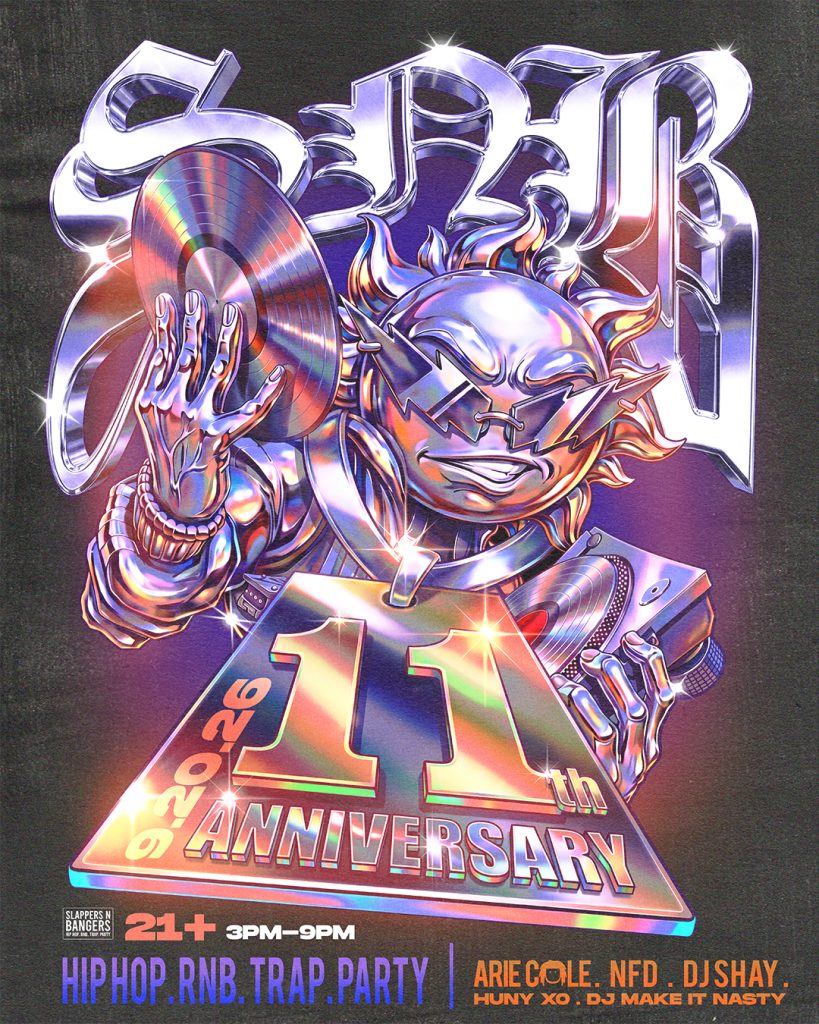
We release new and limited edition items around our events, including the SNB 11th Anniversary collection. Before you add anything to your cart, run the measuring routine above on a favorite tee, then check the garment chart on the product page. If you’re looking for a place to start, take a look at the Draft Commemorative Tee or browse the new and limited edition items on our home page. Planning to wear it to the next party? Our events page shows what’s coming up.
Keep your merch fitting after you buy it
The right size on day one doesn’t help if the tee shrinks or the print cracks by week three. A few easy habits protect both:
- Turn graphic tees inside out before washing.
- Use cold water and a gentle cycle.
- Hang dry or tumble on low. Heat is what shrinks cotton and ages prints.
- Skip fabric softener and bleach on printed items.
We lay it out step by step in our 6 step hand wash for graphic tees.
A quick checklist before you order
- [ ] I measured a shirt or hoodie I already own, laid flat, in inches.
- [ ] I confirmed the chart lists garment measurements, not body measurements.
- [ ] I compared both chest width and body length, and sleeve length for long sleeves and hoodies.
- [ ] I read the seller’s fit notes (classic, relaxed, oversized, fitted).
- [ ] I decided whether I want a close or a loose fit.
- [ ] I checked the exchange or return policy.
FAQ
How do I know what size merch to get?
Measure a tee or hoodie you own that fits the way you want, laid flat. Then match its chest width and length to the garment chart on the product page. Pick the closest size, and size up if you want a looser feel.
Does merch usually run small?
There’s no universal answer, because it depends on the cut, the blank garment and the fabric. Many event tees follow a classic men’s cut and fit true to size, while relaxed or oversized styles run roomier. Check the seller’s fit note and compare the chart numbers to a shirt you own.
Should I size up for a hoodie?
Often, yes. Hoodies are cut with more room than tees, but many people like a slouchier, more relaxed hoodie and size up for it. If you want a fitted look or you’re layering lightly, your usual size is fine.
What if there is no size chart on the merch page?
Check for a sizing tab, then ask the seller for the chest width and length in inches, laid flat. If you can’t get numbers, compare to a similar garment you own and check the exchange policy before you order.
Are unisex sizes the same as men’s or women’s sizes?
Unisex tees usually follow a traditional men’s pattern, so they run straighter and boxier. If you normally wear women’s sizes, use the garment measurements rather than the letter, and consider whether you want a close or a relaxed fit.