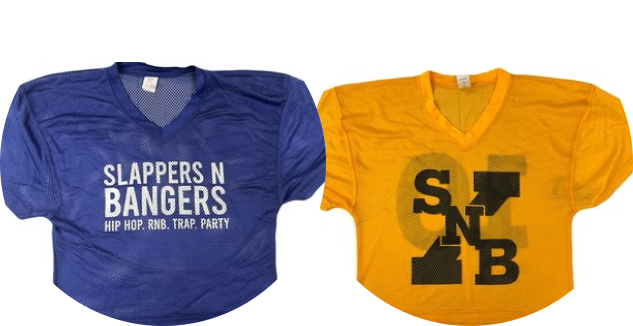
A merch drop is a planned release of branded merchandise, like shirts, hoodies, or event collectibles, made available for a limited time, in limited quantities, or both. “Merch” is just the shortened, informal word for “merchandise.” The rest of this guide breaks down how a drop actually works, why brands lean on scarcity to sell it, and what to check before you try to buy one.
TL;DR:
- Scarcity-driven drops effectively boost urgency and exclusivity without relying on discounts, making fans act fast to avoid missing out.
- Pre-drop planning is crucial, including confirming the launch time in your time zone, knowing the sales channel, and preparing payment and shipping details in advance.
- Limited merchandise tied to specific events or milestones creates more lasting value than generic items, with stock and availability often unique to each occasion.
- Drops can backfire if brands fake scarcity, fail to communicate clearly, or restock limited items later, eroding trust and annoying buyers.
- Limited-edition items like tour or event merchandise are most successful when genuinely connected to a specific moment, rather than manufactured urgency.
Table of Contents
- What Is a Merch Drop, and How Is It Different From a Flash Sale?
- How a Merch Drop Actually Unfolds, Start to Finish
- Why Brands Bother With Drops Instead of Just Restocking
- Your Pre-Drop Checklist: What to Confirm Before You Buy
- What Merch Drops Look Like at a Live Show
- When a Drop Makes Sense, and When It Backfires
- Get Your Hands on Slappersnbangers Limited Merch
- Sources
- FAQ
What Is a Merch Drop, and How Is It Different From a Flash Sale?
The word “merch” is defined by Cambridge Dictionary as shorthand for merchandise, things like T-shirts and other items sold at concerts. A merch drop takes that everyday merchandise and turns the release itself into an event. Instead of stocking a webstore shelf and leaving it there, a brand sets a specific launch moment, caps the inventory, or does both at once.
That’s the part people mix up. A drop can be limited by quantity (only 200 tees exist, period), limited by time (available for 48 hours, then gone), or restricted on both fronts at once. Shopify’s guide to limited drops frames a drop as event-like: there’s a defined launch window, restricted stock, and usually no promised restock.
That’s what separates a drop from its two closest cousins:
- A flash sale is discount-driven. The product already exists; the brand just slashes the price for a short window.
- Permanent merch sits on the site indefinitely, reordered whenever it sells low, with no artificial cutoff.
- A merch drop introduces something new or specially restricted, and the scarcity is the point, not the price tag.
Picture this: a tour hoodie sold only during a three-night run at a venue, capped at 150 units, never restocked. That’s a drop. The same hoodie sitting on a webstore all year at a markdown during Black Friday would just be a sale.
How a Merch Drop Actually Unfolds, Start to Finish
A drop isn’t a single moment. It’s a sequence, and each stage does different work.
- Pre-drop. Teasers, countdown timers, waitlists, and influencer previews build anticipation before anyone can buy anything. Brands often hold back key details, a sizing chart, a price, a photo, until the final hours.
- Launch. The release goes live through whatever channel the brand picked: an online store, an app, an email or SMS link, or a physical merch table at a show. Purchase limits (one per customer, two max) keep single buyers from clearing the whole run.
- Post-drop. The brand communicates what’s left. That might be a sell-out announcement, a shipping update, or a decision on whether to restock. This stage is also where resale activity tends to spike.
The riskiest part is launch day itself. Checkout traffic can spike hard in the first sixty seconds, and if online inventory isn’t synced with what’s moving at a physical merch table, a brand can oversell fast.
Pro Tip: If you’re running a drop across an online store and a physical merch table at the same event, reserve a fixed chunk of stock for each channel ahead of time instead of pulling from one shared count. It keeps a fast in-person sale from wiping out what your online customers were waiting for.

Why Brands Bother With Drops Instead of Just Restocking
Scarcity does something a straightforward restock never will: it makes people move faster. Shopify notes that limiting time or inventory creates urgency and exclusivity without leaning on a discount at all. The item doesn’t need to be cheaper to feel worth grabbing right now. It just needs to feel like it might not be there tomorrow.
That urgency builds its own culture. Dictionary.com traces “drop culture” back to streetwear labels like Supreme and BAPE, who turned scheduled scarcity into a ritual: online queues, resale flipping, and the social currency of owning something most people missed. A drop isn’t just a transaction. It’s a small story you get to tell.
For brands, that translates into real, practical upside:
- A short burst of buzz that a standing store listing rarely generates.
- Stronger identity among fans who feel like insiders for catching the release.
- Lower inventory risk, since the run is capped from the start.
- Earned media, since sell-out announcements function as their own PR moment.
Scarcity in numbers: Shopify’s research on limited drops found that framing a release around a tight quantity or a short window consistently pushes purchase urgency higher than discount-based promotions alone, which is why so few drops lean on “percent off” language at all.
Your Pre-Drop Checklist: What to Confirm Before You Buy
Missing a drop by minutes is one of the more common ways people get burned, so a little prep goes a long way. Before launch, confirm the exact drop time and your local time zone, since a “12pm EST” launch reads very differently on the West Coast. Know which channel it’s dropping on, whether that’s a website, an app, or an in-person merch table, and whether early access exists for anyone on an email list or waitlist.
Check sizing charts and stock counts if they’re published, along with any stated per-customer purchase limit. Have your payment method and shipping address saved and ready, since fumbling autofill during a five-minute sell-out window is how carts get lost. Review the shipping and return policy before you buy, not after, since limited items sometimes carry final-sale terms.
Pro Tip: If a drop uses a lottery or waitlist instead of first-come-first-served, enter early. Fairness mechanisms like these exist specifically because scarce inventory makes normal checkout speed pointless.
- Confirm launch time in your own time zone
- Know the exact sales channel (site, app, merch table)
- Check size availability and per-customer limits
- Save payment info and shipping address in advance
- Read the return policy before checkout
- Watch for lottery or waitlist entry windows
What Merch Drops Look Like at a Live Show
Event merch works differently than an online-only drop, because the item is tied to something you actually experienced: a date, a venue, a specific lineup. That connection is what makes a tour shirt or an anniversary tee feel worth keeping long after the night ends. It’s not just a shirt. It’s a receipt for being there.
Running that at a physical merch table means tighter logistics than an online store ever needs. Stock has to be counted and displayed clearly, staff need a fast answer for “will this restock,” and limited runs need to be communicated honestly so nobody feels tricked into buying something that quietly reappears the next week.
A limited item tied to a specific event date carries weight that a standing catalog piece can’t replicate, because the moment it commemorates only happened once.
Merch tables are often built around that same principle for hip hop and rap events, treating each run as a piece of that night rather than a generic product line.
When a Drop Makes Sense, and When It Backfires
Drops work best when a brand already has a fan base that shows up for the moment, not just the product. Event tie-ins, anniversaries, and one-off collaborations are the strongest use cases, since the scarcity matches something genuinely limited.
They backfire when scarcity is faked. Restocking a “limited” item two weeks later erodes trust fast, and checkout failures or unclear sizing turn excitement into frustration. Before running one, ask a simple question: is this tied to a real, singular moment, or are we just manufacturing urgency for its own sake? If it’s the former, drop it. If it’s the latter, reconsider.
— Slappersnbangers@gmail.com
Get Your Hands on Slappersnbangers Limited Merch
This merch brand is an alternative to buying generic tour merch off a random webstore. Pieces released often tie directly to specific parties or milestones rather than a mass-produced catalog.

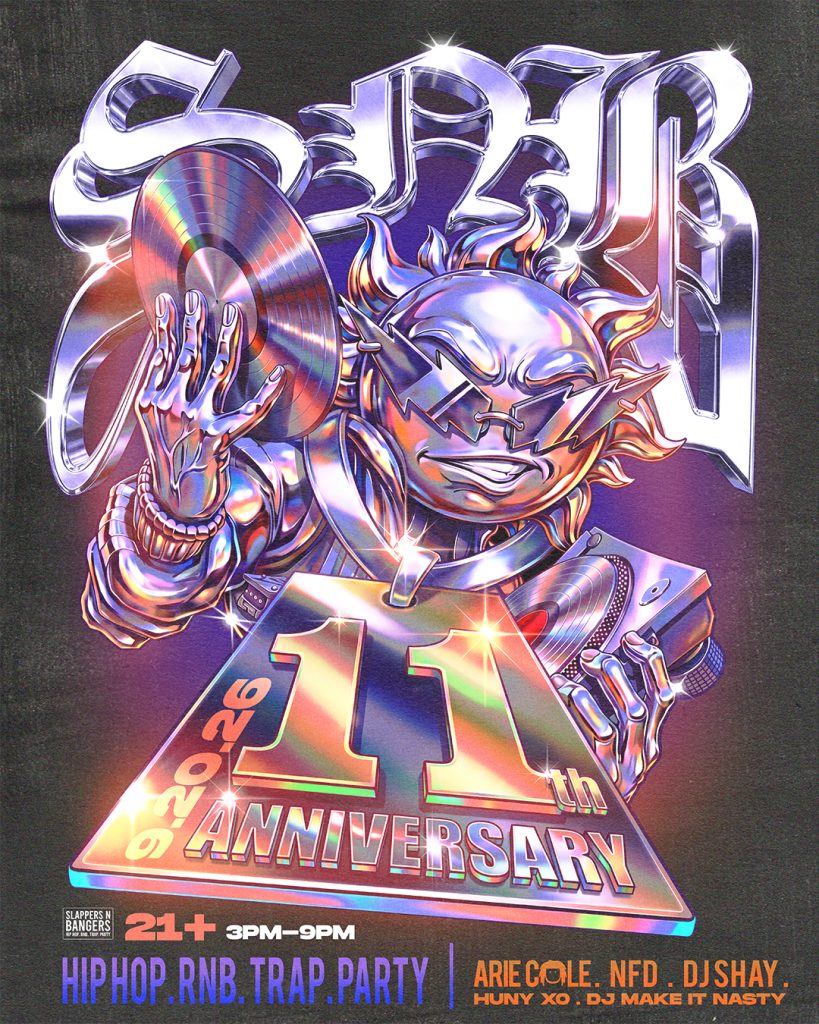
The Draft Commemorative Tee is a clean example of that approach: a limited-run design tied to a specific event moment, made for people who were actually there or wish they had been. You can check it out here before the run closes. Beyond that single piece, our full catalog of New and Limited Edition Items rotates around our upcoming shows, including our 11th Anniversary lineup, and pieces don’t come back once they’re gone.
For those who prefer an in-person merch experience, events like August SNB: 400 Degreez offer merchandise sales alongside ticket entry. These typically have limited sizing runs and no guaranteed restock, so availability can vary.
Sources
For the foundational definition, Cambridge Dictionary’s entry on “merch” is the clearest starting point. For the mechanics of scarcity marketing, Shopify’s guide to limited drops covers pre-drop, launch, and post-drop stages in detail. For the cultural roots of drop culture, see Dictionary.com’s piece on drop culture, and for the PR angle behind limited-edition releases, 5WPR’s glossary entry is worth a read.
- MERCH | English meaning – Cambridge Dictionary
- Limited Drops: Use Scarcity to Drive Sales (2026) – Shopify
- Dictionary
- Limited-Edition Drop: Definition & Meaning | 5W PR Glossary
FAQ
What Are Merch Drops?
A merch drop is a scheduled release of branded merchandise made available for a limited time, in limited quantities, or both, rather than sitting on a store shelf indefinitely. The Shopify framework breaks the process into pre-drop buildup, a launch window, and post-drop follow-up like restock news or sell-out announcements.
What Does “Merch” Mean in Slang?
“Merch” is simply short for merchandise, and it typically refers to branded items like T-shirts, hoodies, hats, or collectibles sold at concerts or through a brand’s store. Cambridge Dictionary lists it as an informal shortening used across music, sports, and pop culture contexts.
What Does “Merch” Stand For?
“Merch” doesn’t stand for anything as an acronym. It’s a clipped, informal version of the word “merchandise,” used the same way whether you’re talking about a band’s tour shirt or a brand’s limited hoodie run.
How Is a Merch Drop Different From a Regular Sale?
A regular sale or restock keeps existing inventory on the shelf indefinitely, sometimes at a discount. A merch drop introduces something new or specially restricted, tied to a defined launch moment, and it usually sells out without a guaranteed restock, which is what creates the urgency drops are known for.