The fastest way to find real hip hop in New York is to pick the right venue type for the night you want, then check who is actually DJing before you commit. SOB’s anchors the club scene, Hush Hip Hop Tours covers the cultural side, and the NYC Office of Nightlife backs both with safety resources. Expect covers that vary by night, ID checks everywhere, and lineups worth confirming in advance.
TL;DR:
- Big clubs like SOB’s offer consistent, large-scale hip hop nights with lineup details available on venue calendars, making them a reliable choice for energetic experiences.
- Smaller venues with resident DJs often provide more intimate settings, where knowing the DJ’s identity can guarantee a more authentic genre experience.
- Hip hop events are often listed on Eventbrite and social media, but verifying the DJ’s name and the event’s genre reduces the risk of genre drift or misleading promotions.
- Tours such as Hush Hip Hop Tours focus on neighborhood history during daytime or early evening, offering cultural insights rather than late-night dance experiences.
- Visiting borough-specific sites like the Bronx for its history, Brooklyn for underground nights, and Harlem for cultural context helps tailor the night plan to your interests and avoids generic nightlife.
Table of Contents
- Venue Types to Target and When to Choose Each
- Neighborhood Guide: Harlem, the Bronx, Brooklyn, and Queens
- How to Find Real Hip Hop Nights and Read Event Listings
- Cultural Tours and History-First Experiences
- Safety, Entry Expectations, and Official Resources
- Practical Visit Tips: Cover, Timing, and Etiquette
- Why DJ-Driven Curation Matters
- Where to Catch Slappers N Bangers If You’re in the Area
- FAQ
- Sources
Venue Types to Target and When to Choose Each
New York’s hip hop scene lives across five kinds of spaces, and each one serves a different mood. Big clubs bring the loudest sound systems and the most consistent weekend programming. Small, independent rooms favor resident DJs and a tighter, more communal crowd. Day parties fill the gap between brunch and the late-night scene, usually running from early afternoon into evening. Cultural and performance rooms blend live instrumentation with DJ sets, often tied to a specific borough’s history. Outdoor stages show up seasonally, from park concerts to rooftop sets, and tend to draw a mixed crowd of locals and visitors.
Matching the format to the mood saves you a wasted night:
- Big club energy: Head to a large room like SOB’s, which has run hip hop, R&B, and global music programming in Manhattan since 1982.
- Intimate DJ room: Look for a small venue with a named resident DJ rather than a rotating lineup.
- Day party: Check listings for early start times, often 2 PM to 8 PM, common on weekends.
- Outdoor set: Watch for seasonal programming tied to parks or rooftop series, usually spring through early fall.
Before you leave for the door, run through this checklist:
- Confirm the cover charge or ticket price on the venue’s own page or Eventbrite listing.
- Bring a physical, valid photo ID even if you already bought a ticket online.
- Check the dress code, since some rooms enforce one and others do not.
- Read recent reviews or social posts to gauge the typical crowd size and age range.
Neighborhood Guide: Harlem, the Bronx, Brooklyn, and Queens
Each borough carries its own relationship to hip hop, and knowing which one matches your reason for visiting makes the night easier to plan.
- Harlem: Deep historical roots and a strong daytime cultural presence, with walking routes that connect music history to the neighborhood’s broader Black cultural landmarks. Best visited during the day for context, then again at night for live programming.
- The Bronx: Widely credited as hip hop’s birthplace, with tour routes that trace the genre back to its earliest block parties and community spaces. A daytime or early-evening visit suits the historical angle best.
- Brooklyn: A mix of underground DJ nights, independent venues, and a younger nightlife crowd, especially in neighborhoods with a dense concentration of small rooms and bars. Evenings and late nights are where the scene picks up.
- Queens: More spread out, with a blend of local community events and occasional larger shows, often requiring a bit more planning around transit.
Tourists tend to cluster around Harlem’s daytime cultural stops and SOB’s in Manhattan, while locals are more likely to be found deep in Brooklyn’s smaller rooms on a Thursday or Friday night. If you are stringing together a longer night, pairing a Harlem or Bronx cultural stop with a Brooklyn club later works well logistically, since the subway connects all four boroughs reasonably fast outside of late-night service gaps. For a sense of how these borough scenes carry into festival season, our piece on Brooklyn, Queens, and Newark summer hip hop events breaks down how the energy shifts once the weather warms up.
How to Find Real Hip Hop Nights and Read Event Listings
A venue’s name tells you less than you think. Reporting from Red Bull’s NYC hip hop travel guide notes that venues often program a mix of genres, so the advertised DJ or promoter for that specific night is a far more reliable signal than the room’s general reputation. A night billed as hip hop can easily lean into R&B, Afrobeats, or dancehall depending on who is behind the booth.
Start your search in a few consistent places:
- Check the venue’s own event calendar first, since it usually lists the night’s DJ by name.
- Browse Eventbrite’s hip hop parties listings for New York for recurring and one-off parties across boroughs.
- Follow the promoter’s or DJ’s social accounts, where recent event photos and comments give you a real sense of the crowd and sound.
- Look for resident nights, where the same DJ plays the same room weekly or monthly, since that consistency usually signals a tighter format.
A good listing names the DJ, describes the set format, and often flags whether it is a resident night or a one-off booking. Vague listings with no DJ name attached are a weaker bet.
Pro Tip: Before buying a ticket, search the promoter’s name alongside the venue to see if recent events match the genre you’re expecting.
Cultural Tours and History-First Experiences

Not every night out needs to end on a dance floor. Hush Hip Hop Tours runs walking and bus experiences across Harlem, the Bronx, Brooklyn, and Queens, framing each stop around the neighborhood’s place in hip hop’s history rather than a party format. The operator says its experiences have reached more than two million people, a figure Hush states about its own reach rather than an independently measured count.
If you are choosing between a tour and a club night, a few practical notes help:
- Tours are generally better suited to daytime or early evening, while club nights run late.
- Group tours run on a set schedule, while private bookings offer more flexibility for timing and group size.
- Some routes offer adult-only versions that go deeper into certain neighborhood histories.
- Accessibility and seasonal scheduling vary by route, so confirming details ahead of booking is worth the extra step.
For a deeper look at how Harlem’s cultural footprint extends beyond music, our guide to Harlem and Bed-Stuy’s Black-owned businesses rounds out a daytime itinerary nicely.
Safety, Entry Expectations, and Official Resources
New York’s nightlife scene runs on more structure than most visitors realize. The NYC Office of Nightlife’s Nightlife Report 2026 frames nightlife as cultural infrastructure, backing that framing with grant programs and safer-spaces initiatives aimed at supporting venues and protecting patrons.
The city’s nightlife sector contributes a reported $35.1 billion economic impact, underscoring how much of New York’s identity runs through its clubs, bars, and event spaces.
On the ground, the NYPD and NYC Hospitality Alliance’s best practices guidance gives venues a framework for crowd management, promoter vetting, and consistent entry policies. That guidance is also useful for patrons trying to judge whether a venue takes its operations seriously.
A short checklist keeps your night smoother:
- Carry a physical ID even if your ticket is on your phone.
- Plan your transportation home before you leave, especially for late-night sets.
- Share your plans or ETA with someone if you are heading out solo.
- Note the venue’s exits when you arrive, not after things get crowded.
Practical Visit Tips: Cover, Timing, and Etiquette
A smooth night comes down to a handful of small decisions made early.
- Buy ahead when you can. Advance tickets are typically cheaper than door prices and guarantee entry for popular nights.
- Time your arrival. Headline sets usually start later than advertised, while local resident nights tend to run closer to schedule.
- Ask about accommodations directly. If accessibility or a safer-space policy matters to you, a quick message to the venue or promoter before the night clears up confusion fast.
- Tip and support the DJ. Many venues allow digital tips, and following the DJ’s page afterward supports the kind of programming you want to see more of.
- Expect lines to move slower on weekends. Building in extra time before a headline set avoids missing the opening of the night.
Why DJ-Driven Curation Matters
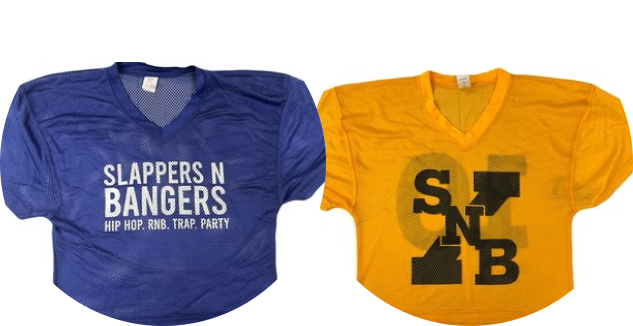
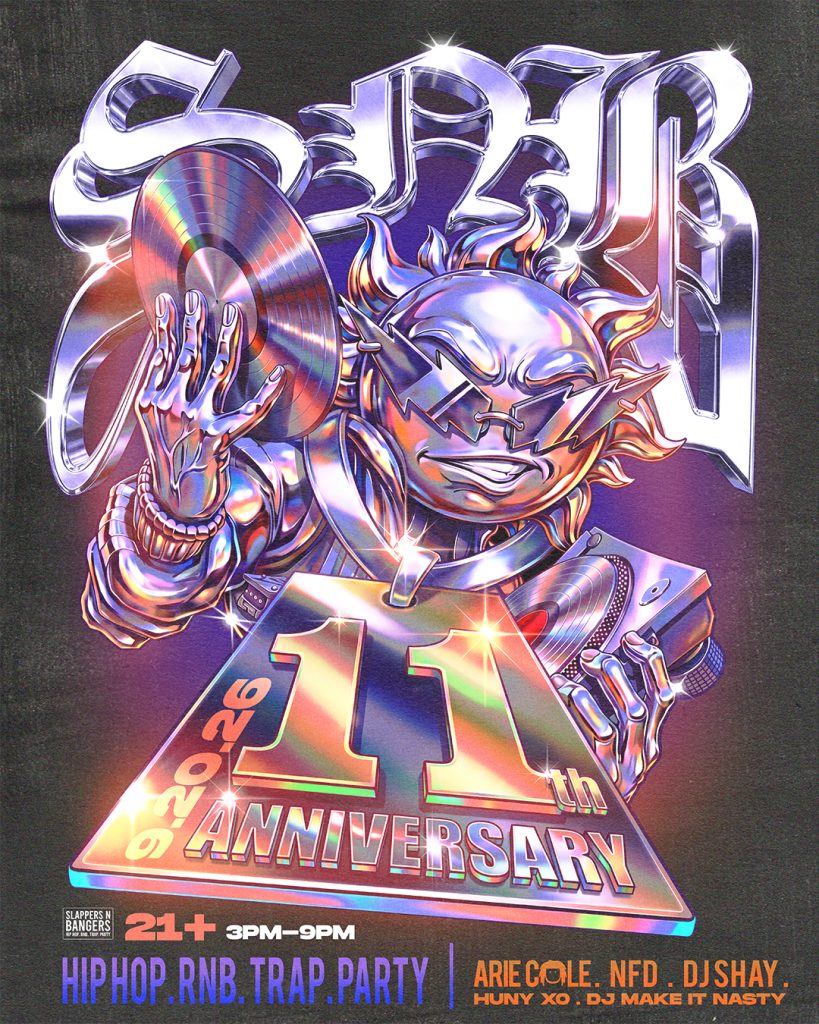
Hip hop nights succeed or fail based on who is behind the booth, not the name on the marquee. We built Slappers N Bangers in Pittsburgh in 2015 around that exact idea: a DJ reading the room in real time produces a better night than a fixed playlist ever could. Our organization was started to fill a gap in local venues that were hesitant to fully embrace hip hop and rap, and that same DJ-first approach now shapes the large-scale indoor and outdoor events we run nationally.
The same principles covered above, consistent programming, promoter accountability, and attention to crowd safety, are the ones we apply to our own events. This section reflects our editorial perspective on the culture we work in, and we always recommend confirming specific event details directly with any venue before you go.
— Slappersnbangers@gmail.com
Where to Catch Slappers N Bangers If You’re in the Area
Our events bring that same DJ-driven, hip hop and R&B focus that fills this guide, featuring lineups built around sets that stay true to the genre instead of drifting into whatever fills a dance floor fastest.

Because we book and curate every DJ ourselves, you won’t end up at a night billed as hip hop that quietly turns into something else halfway through.
- Check our events page for upcoming dates and ticket links.
- Browse New and Limited Edition Items if you want merchandise tied to a specific show.
- See how our approach plays out in other cities through our piece on Pittsburgh’s summer hip hop and R&B events.
If a New York night out has you thinking about catching one of our shows elsewhere, our events page is the place to start.
FAQ
Where to dance hip-hop in New York?
SOB’s in Manhattan has hosted hip hop and R&B programming since 1982 and remains one of the most established rooms for it. Smaller independent venues across Brooklyn and the Bronx also run regular hip hop nights, so checking the listed DJ for that night still matters more than the venue’s name alone.
Where can I find a hip-hop party in New York?
Venue calendars and platforms like Eventbrite’s hip hop listings are the most direct way to find upcoming parties across the city. Following promoters and resident DJs on social media also surfaces one-off events that do not always appear on bigger listing sites.
Where can I listen to hip hop in NYC?
Clubs like SOB’s, independent rooms in Brooklyn and the Bronx, and seasonal outdoor stages all program hip hop regularly throughout the year. For a more curated experience, DJ-driven events built specifically around hip hop and R&B, like the shows we run, offer a more consistent sound than a general-purpose club night.
Which New York neighborhood is famous for hip-hop music?
The Bronx is widely recognized as the birthplace of hip hop, and tour operators like Hush Hip Hop Tours build dedicated routes there to trace that history. Harlem and Brooklyn both carry significant cultural weight too, each tied to different eras and styles within the genre.
Sources
- SOB’s profile — Hudson Square BID
- Hush Hip Hop Tours — NYC Tourism listing
- NYC Office of Nightlife — Nightlife Report 2026