New York invented the thing, so finding a hip hop party here is never the hard part. Finding the right one is. The city runs on everything from free park jams to multi-room warehouse nights to packed clubs where the DJ barely touches the music you came for. This guide breaks down the formats, what separates a great night from a forgettable one, what to check before you buy a ticket, and how R&B nights fit in.
TL;DR
- New York hip hop nights come in four main shapes: park jams and free concerts, club nights, multi-room or warehouse parties, and ticketed event-style parties. Each one feels different.
- The DJ matters more than the venue. Look for someone who reads the room, not someone running a playlist.
- Check age limits, ID rules, ticket tiers and the venue address before you go. These change event to event.
- R&B parties are a different pace than hip hop nights. Pick the one that matches your mood, or find a night that blends both.
- For current Slappersnbangers events, check our events page.
Table of Contents
- The four kinds of hip hop parties in New York
- What a good hip hop night actually feels like
- Hip hop nights vs. R&B parties
- What to check before you buy a ticket
- Finding the right room in each borough
- How to vet a party in ten minutes
- What to wear
- Our perspective
- Where Slappersnbangers fits in
- FAQ
- Sources
The four kinds of hip hop parties in New York
The city’s scene is easier to navigate once you stop thinking of “a hip hop party” as one thing. Most nights fall into one of four buckets.
Park jams and free outdoor shows
This is where it started. According to NYC Parks’ history of hip hop, the city’s parks hosted the park jams, impromptu dance-offs and rap battles that shaped hip hop’s sound, fashion, art and message. That tradition is still alive. NYC Parks also notes that SummerStage, the city’s largest free outdoor performing arts festival, has run since 1986 and brings free hip hop concerts to parks across the city in summer.
What you get: daylight or early evening, a mixed-age crowd, no cover charge at many shows, and a real sense of the city’s history. What you give up: late-night energy and the tight, sweaty dance floor.
If outdoor shows are your thing beyond New York too, our guide to outdoor hip hop festivals across the U.S. covers how to find them before tickets run out.

Club nights
The classic. A venue, a DJ, a doorman, a line. Club nights are the easiest to find and the most uneven in quality. A club might host a hip hop night on Thursday, a house night on Friday and a private event on Saturday, so the same room can feel completely different depending on the date.
The culture around some of these rooms is worth knowing about. In a Village Voice report, promoter Alex Damashek described bottle-service lounges as limiting access by status and money, which is part of why open, music-first parties appealed to so many people.
Multi-room and warehouse parties
These are bigger and looser. The same Village Voice piece described a House Party with distinct DJ sounds across four rooms, plus live performances and breakdancing, so you could move between contrasting vibes in one night. That format rewards people who like to wander, catch a new artist, then head back to the main floor when the energy builds.
Event-style parties
This is the lane we work in. Event-style parties are organized around a brand and a crowd rather than a single venue. The night has a theme, a lineup of DJs, often a merch table, and a community that shows up repeatedly. Think of it as the difference between walking into a bar that happens to play rap and attending a party built for rap.
What a good hip hop night actually feels like
You can tell within the first hour. Here is what to listen and look for.
- The DJ is reading the crowd. Great DJs watch the floor and adjust. If people slow down, the set shifts. If a song lands, they ride it.
- The genre is played as intended. Hip hop, R&B and trap sets should feel like they come from people who know the music, not a watered-down “top 40 with a few rap songs” mix.
- The floor is full. Not so full you cannot breathe, but dancing, not standing in clusters.
- People are expressive. The best nights have dancers, cyphers and people who came to move, not just to be seen.
- Sound is clean. Loud is fine. Distorted is not.
The 1982 to 1983 Roxy nights are a famous example of the format done right. DJ History’s profile of Kool Lady Blue describes those nights presenting graffiti, breakdancing, DJing and MCing as hip hop’s core elements and drawing a diverse, cross-cultural crowd. Four decades later, the best parties still follow that blueprint: the music, the movement and the people all matter.
Want a sense of the records that fill a floor? Our list of hip hop party songs and plug-and-play sets shows what DJs lean on when the room needs a lift.
Hip hop nights vs. R&B parties
Readers often search for both, and the two nights are not interchangeable.
| Hip hop night | R&B party | |
|---|---|---|
| Pace | Higher energy, more bounce and call-and-response | Smoother, groove-driven, more swaying and singing along |
| Crowd behavior | Jumping, rapping every word, dance circles | Couples, groups singing, slower dancing |
| Typical mood | Hype | Vibe |
| Best for | Big groups, birthdays, going all out | Date nights, laid-back socializing |
The lines are blurrier than the table suggests. Plenty of nights run hip hop, R&B and trap in the same set, and a good DJ will move between them as the room changes. If you want to train your ear, our breakdown of hip hop vs. R&B in nine songs is a quick way to hear where one ends and the other begins.
A practical tip: when an event description says “hip hop and R&B,” expect the early hours to lean smoother and the late hours to lean harder. When it says “hip hop, R&B and trap,” expect the energy to stay high throughout.
What to check before you buy a ticket
New York events vary a lot, and the details are usually on the event page if you look. Run through this list before you commit.
- Age limit. Many club nights are 21+, and some events are 18+ or all ages. If you are under 21, search specifically for all-ages shows. Our guide on finding all ages concerts in your city explains the search strings and alerts that work.
- ID. Bring a valid government-issued photo ID, even if you think you look old enough. Doors enforce this, and without ID you may be turned away after buying a ticket.
- Ticket tiers. Early-bird, general admission and VIP can differ by a lot. Buying early is usually the cheapest route, but read what each tier includes.
- Venue location. Confirm the borough and the exact address. “New York” in an event listing can mean Manhattan, Brooklyn, Queens, the Bronx, or a venue just across the river in New Jersey.
- Door times and curfews. The party often starts well after the door opens. Check the set times if there is a headliner you want to catch.
- Bag and re-entry rules. Many venues limit bag size and some do not allow re-entry. Our concert food packing list covers what to eat beforehand so you are not stuck.
- Getting home. Check the last train and plan a ride back. Late-night subway service can be slower, and surge pricing on rideshares hits right at closing time.
Two more items matter if you are going solo or are sensitive to sound. Our tips for meeting people at concerts solo offer openers and safer meetup habits, and if you plan to be near the speakers, read how to protect your hearing at concerts and clubs. If you want a calmer room, there is also a guide to sensory friendly concerts.
Finding the right room in each borough
Every borough has its own personality, and knowing it helps you pick.
- Manhattan: the densest concentration of clubs and lounges. You will find the most variety, and also the most bottle-service culture. Look for nights where the music, not the table, is the draw.
- Brooklyn: known for DIY energy, newer artists and mixed-genre parties. A good place to catch up-and-coming rappers.
- Queens: strong community nights, often with a more neighborhood feel and a local crowd.
- The Bronx: the birthplace. If you care about hip hop history, this is where you build context, and the park-jam spirit still lingers here.
- Harlem: rich in live music and R&B-leaning evenings alongside rap nights.
- Newark and the New Jersey side: a short ride from the city, with its own thriving rooms. See our guide to hip hop venues in New Jersey for where to go.
For a deeper look at the types of rooms to hunt for, read our guide to five venue types that host real hip hop nights in New York. It explains what to look for in each kind of venue so you can judge a night before you pay for it.
How to vet a party in ten minutes
You do not need to be a scene insider. A few quick checks will tell you almost everything.
- Look at the DJs. Search the names. Do they post sets, mixes or clips? Do they play the genre they are billed for?
- Look at past events. Photos and videos from earlier nights show the crowd size, the floor energy and the sound of the room.
- Read the description. Specific lineups, set times and policies signal an organizer who cares. A vague “all night, hip hop and more” is a yellow flag.
- Ask who is going. Friends, group chats and local artists are better guides than ads.
- Check how people talk about it. Repeat attendees are the strongest signal.
Supporting the artists on the bill is another reason to pick carefully. We wrote about why a $30 ticket beats 500 streams for local hip hop artists: a ticket pays the people making the music in a way a stream rarely does.
What to wear
Dress for the dance floor, not for a photo you take at the door. Comfortable shoes, breathable layers and something you can move in make a long night much better. Rooms get hot fast, so a lighter top with a jacket you can stash works better than a heavy coat. For ideas, see our dance-proof hip hop party outfits from the 90s to now, and our picks for indoor concert outfits that survive a packed show.
If you pick up event merch along the way, our guide to washing graphic tees by hand keeps prints from cracking.
Our perspective
We started Slappers N Bangers in Pittsburgh in 2015, founded by Arie Cole and NFD, because local venues were hesitant to embrace hip hop and rap. We wanted a room where the music was played as intended and the crowd could be fully itself. That is still the test we use for any party: is the DJ reading the floor, is the dance floor packed, and does the night feel like a community instead of a transaction?
New York sets a high bar because the culture is native here. A good New York night needs to respect that history while giving newer artists and newer fans space to show up. Our events run indoors and outdoors and draw thousands, and we have watched the same thing happen in every city: when you give people a place to express themselves through music and dance, they build something that outlasts the night.
Our advice for anyone hunting for a party in the city is simple. Do not chase the biggest name on the flyer. Chase the night where people look like they are having the most fun in last month’s photos.
— Slappersnbangers@gmail.com
Where Slappersnbangers fits in
We run DJ-driven hip hop, R&B and trap parties with a national footprint, and we have brought them to the New York and New Jersey area. Read what is happening around the region in Brooklyn, Queens, and Newark are buzzing about this summer event.
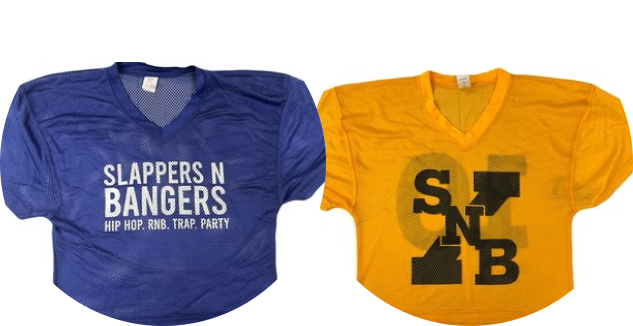
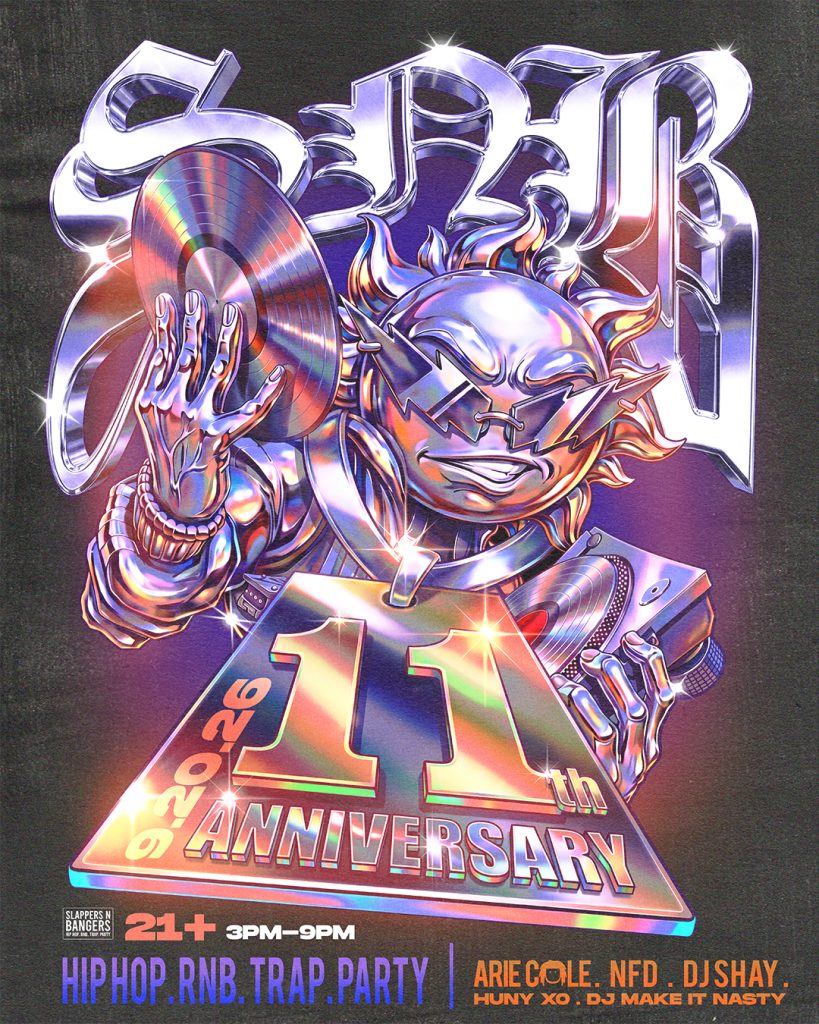
If you want to join us, the current lineup lives on our events page, where you will find the August SNB: 400 Degreez party and details on tickets. We have also released new and limited edition items for our 11th anniversary.

Tickets and merch are both available through our main site. Check it for current events and drops, since lineups and stock change.
FAQ
Are there free hip hop events in New York?
Yes. NYC Parks has a long tradition of park jams, and SummerStage brings free hip hop concerts to parks across the city in summer. Check the official schedule for the current season, since lineups change each year.
What is the difference between a hip hop night and an R&B party?
Hip hop nights usually run at a higher tempo with more rapping along and dance circles, while R&B parties lean smoother and more groove-driven. Many events blend both, with R&B earlier in the night and harder sets later. Read the event description to see which one is the focus.
Do I need ID for a New York hip hop party?
Bring a valid government-issued photo ID to any ticketed night. Many venues are 21+, and door staff check regardless of how old you look. If you are under 21, look for all-ages or 18+ events and confirm the age policy before buying.
How do I find the best hip hop nights in New York?
Start by deciding which format you want: a park show, a club night, a multi-room party or an event-style party. Then research the DJs and look at photos from past nights. Our guide to venue types is a good place to begin.
Sources
- Hip-Hop History in NYC Parks, NYC Parks
- House Party: Where New Talent Keeps NYC Hip-Hop on Its Toes, The Village Voice
- Kool Lady Blue brought hip hop together, DJ History