Most concerts and outdoor shows sell food through concessions or food trucks, but whether you can bring your own depends entirely on the venue. If you plan to pack perishable snacks, follow the safety timing rule and keep them cold. If you’re not sure what’s allowed, your safest bet is to either buy on-site or stick to non-perishable snacks that travel without a cooler.
TL;DR:
- Most venues prohibit outside food or have strict policies on coolers, so checking official rules before arriving prevents gate issues.
- Permitted outside foods should be low-mess, handheld, and pre-packed into single-serve containers to suit outdoor concert conditions.
- Perishable foods left in the danger zone above 40°F for over two hours pose a health risk, especially during warm weather events.
- Buying food on-site during the early parts of the event can save time and avoid long lines, especially if dietary preferences are managed ahead.
- Regional and genre differences influence offered food styles, with local vendors adding unique options that enhance the outdoor concert experience.
Table of Contents
- What venues typically sell: concessions, vendor stands, and food trucks
- Can you bring food? Venue policy patterns and how to confirm rules before you go
- Best foods to bring: compact, low-mess picnic ideas for outdoor shows
- Food safety at concerts: the danger zone, the two hour rule, and cooler basics
- How to buy at the venue: skip lines, payment, and dietary needs
- Event-tested tips from Slappers N Bangers for outdoor DJ-driven parties
- How COVID-19 and health rules changed food at venues
- Waste, recycling, and disposal at concerts
- Iconic concert foods by genre and region
- Fast takeaways by attendee type
- Find SNB events and check the food policy before you go
- Authoritative links to check before you go
- Sources
- FAQ
What venues typically sell: concessions, vendor stands, and food trucks
Walk into almost any amphitheater or festival grounds and you’ll find the usual concert lineup: popcorn, nachos, burgers, pizza slices, soft pretzels, and frozen treats sold from stationary concession stands. Bigger outdoor venues and festivals often bring in local food trucks, and the lineup can change from night to night depending on who’s booked.
Food truck rotations are one of the more fun parts of the outdoor concert experience. Some venues post the week’s trucks in advance, others let it be a surprise until you walk through the gates. Either way, expect more variety at a multi-day festival than at a single-night amphitheater show.
If you’ve got premium or box seats, you may have access to perks the lawn crowd doesn’t get:
- Concession classics like nachos, pretzels, and burgers at general stands
- Rotating food trucks offering regional specialties or fusion menus
- Pre-order or in-seat catering options for VIP and box-seat ticket holders
- Grab-and-go stands near entrances for people arriving close to showtime
Knowing what’s typically available helps you decide whether it’s worth packing your own food or just budgeting for on-site purchases.
Can you bring food? Venue policy patterns and how to confirm rules before you go
Outside food rules vary widely, and this is where a little homework saves you a headache at the gate. Most venues ban glass containers and alcohol brought from outside, and many restrict cooler size or ban coolers entirely for indoor and mid-size venues. Empty or sealed water bottles are often allowed, though rules differ by location.
Here’s how to confirm the rules before you leave home:
- Check the venue’s official “Plan your visit” or “Food and drink” page for the specific policy.
- Reread your ticket confirmation email, which often lists prohibited items.
- Call the box office directly if the website doesn’t answer your question.
If security flags something at the gate, you’ll usually be asked to either return it to your car, toss it, or check it at a designated table depending on the venue’s setup.
Pro Tip: Screenshot the venue’s food and drink policy page before you leave home. Cell service near a packed venue can be unreliable, and you don’t want to be stuck arguing at the gate with no proof of what’s allowed.
Best foods to bring: compact, low-mess picnic ideas for outdoor shows
When a venue does allow outside food, the goal is simple: bring things you can eat with one hand, in the dark, without a table. Hand-held, low-mess snacks are the standard advice from festival food guides, and it holds up whether you’re on a lawn blanket or standing in a crowd.
Reliable picks include:
- Beef sticks, jerky, and trail mix for protein that doesn’t need refrigeration
- Popcorn, pretzels, and dried fruit for easy handfuls
- Wrapped sandwiches, hoagies, or wraps that survive a tote bag
- Pasta salad made with an oil and vinegar dressing instead of mayonnaise
- Pre-cut charcuterie portions with cheese and crackers packed separately
For a full picnic setup, portion everything into single-serve containers before you leave the house. Sturdy plastic containers hold up better than bags in a crowded backpack, and packing napkins and a small trash bag saves you from balancing garbage on your lap for three hours.
Pro Tip: Skip anything that needs a fork. If you can’t eat it with your hands while standing, it’s the wrong food for a lawn seat.
Food safety at concerts: the danger zone, the two hour rule, and cooler basics
Outdoor shows in warm weather are exactly the kind of setting where foodborne illness risk climbs, so it’s worth knowing the basics. The USDA’s Food Safety and Inspection Service defines the “Danger Zone” as the temperature range between 40°F and 140°F, where bacteria multiply fastest.
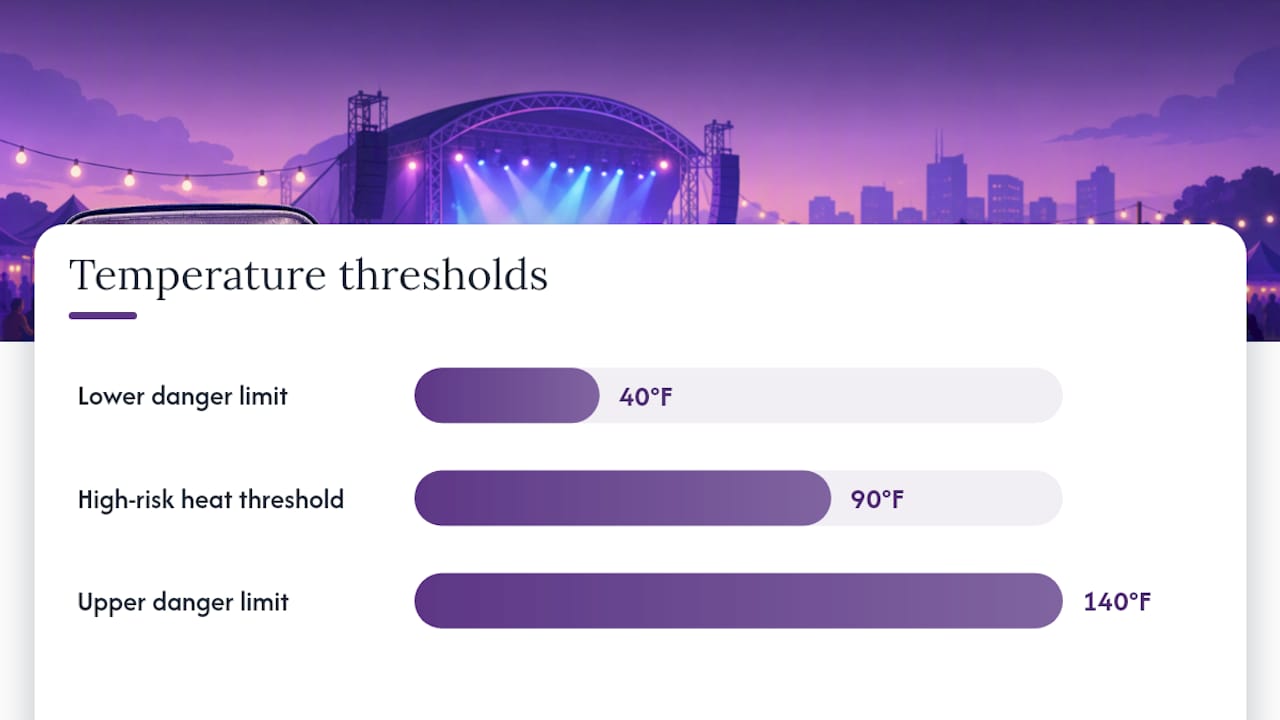
The two hour rule matters more at concerts than almost anywhere else. Perishable food left in that danger zone for more than two hours should be thrown out, and that window shrinks to one hour once the outside temperature climbs past 90°F, according to FSIS tailgating guidance. A summer lawn show easily hits that mark by mid-afternoon.
To keep food safe through a long set:
- Pack perishables with ice or gel packs and keep the cooler at 40°F or below
- Use a small appliance thermometer to check the actual cooler temperature
- Keep coolers in the shade and out of direct sun as much as possible
- Reheat any leftovers to 165°F before eating, and discard anything left out too long
If you’re bringing hot food, an insulated container preheated with boiling water holds temperature far longer than a cold one straight from the cabinet.
How to buy at the venue: skip lines, payment, and dietary needs
Buying on-site is often the simpler choice, especially if you time it right. Lines are shortest right when doors open or during the opening act, and they spike hard right before the headliner and during intermission.
A few practical steps make the process smoother:
- Buy early or during an opening set instead of waiting for the rush before the main act.
- Bring a card for tap-to-pay, but carry a little cash since some smaller vendors are cash-only.
- Check vendor menus online ahead of time if you’re managing a dietary restriction or allergy.
If you have a food allergy, it’s worth asking staff directly about ingredients rather than assuming a menu label covers everything, and carrying your own allergy medication is a smart backup no matter how careful the vendor is.
Event-tested tips from Slappers N Bangers for outdoor DJ-driven parties
At outdoor, DJ-driven parties, food trucks usually set up early and serve steadily through the afternoon before scaling back once the headliner sets take over. If you’re coming to dance for hours, that early window is your best shot at a full menu and a short line.
A few things that make a difference at a party like this: bring a small, easy-to-carry cooler if the venue allows one, plan your hydration around the heat instead of the music, and keep a small trash bag on you since bins get overwhelmed fast in a packed crowd. Food, vendor, and entry details are often shared with ticket holders ahead of each event, so checking that information before you leave home saves you from guessing at the gate.
How COVID-19 and health rules changed food at venues
Venue food service looked very different for a stretch of the early 2020s, and some of those changes stuck around. Many venues shifted toward contactless and card-only payment at concession stands, cutting down on cash handling and speeding up lines. Grab-and-go packaging became more common than open-air buffet-style vendor setups, and some venues thinned out in-seat food service in favor of centralized concession stands.
Health department rules around food handling at large gatherings also got more attention, pushing some venues to post clearer food safety and allergen information online. For attendees, the practical upshot is that checking a venue’s current food and drink policy before you go matters more than it used to, since rules can still shift between seasons or between venues in the same city.
Waste, recycling, and disposal at concerts
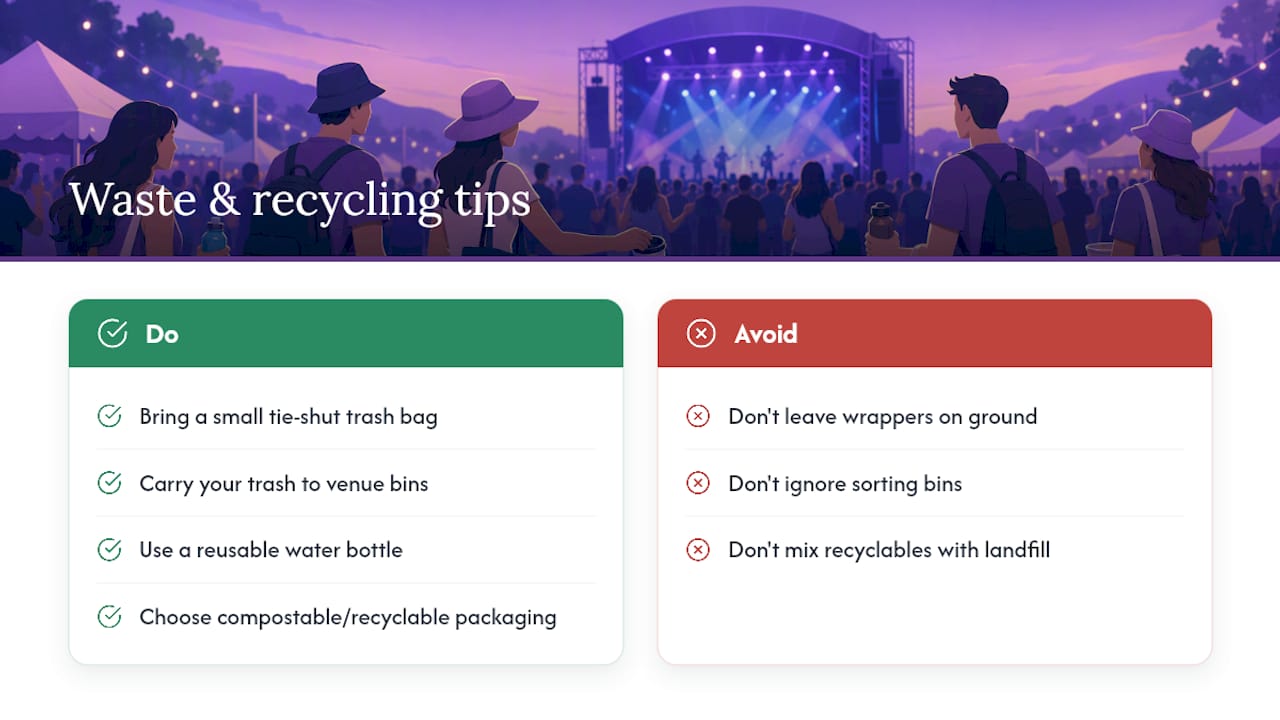
Concerts produce a genuinely staggering amount of food packaging trash in a single night, and where it ends up depends heavily on the venue’s setup. Many larger venues and festivals now separate bins for recycling, compost, and landfill waste, though the system only works if attendees actually sort their trash correctly, which doesn’t always happen in a packed crowd.
If you’re bringing your own food, plan for your own trash. A small bag you can tie shut and carry to a bin saves you from leaving wrappers on a lawn or under a seat, and it’s a simple courtesy that keeps cleanup crews from working twice as hard after a show. Some venues have also shifted toward compostable or recyclable packaging for their own concession sales, part of a broader push in live event production toward less landfill waste per attendee.
Bringing a reusable water bottle instead of buying multiple plastic ones, when the venue allows it, cuts down on your own footprint without any extra effort.
Iconic concert foods by genre and region
Food at concerts often reflects the crowd it’s feeding. Country festivals lean into barbecue, funnel cake, and fried classics that fit an all-day outdoor event. Jam band and festival crowds gravitate toward food trucks serving global fusion, vegan options, and grilled specialties that match a slower, all-day pace. Hip hop and R&B events, especially outdoor day parties, tend to favor quick, shareable, high-energy foods, think loaded fries, wings, and grab-and-go plates that keep the crowd moving instead of sitting down to eat.
Regional differences show up too. A show in a city with a strong food truck culture will usually offer more variety than a suburban amphitheater relying on standard concession contracts. Part of the fun of an outdoor event is seeing what local vendors bring to the table that you won’t find at the same venue in a different city.
Fast takeaways by attendee type
Day party crowd, pack durable snacks and extra water since you’ll be out in the heat for hours. Lawn listener, bring a low-mess picnic and your own trash bag. VIP or box seats, look into pre-order or in-seat delivery, and expect to pay premium pricing for the convenience.
— Slappersnbangers@gmail.com
Find SNB events and check the food policy before you go
If you’re planning to spend a full day dancing outdoors, knowing the food setup ahead of time makes the whole experience smoother, and that’s exactly what we try to give ticket holders. Slappers N Bangers runs DJ-driven hip hop, rap, and R&B parties designed around energy and community rather than a sit-down meal, so most attendees plan to eat before arriving, grab something from on-site vendors, or pack a light, portable snack the way we’ve outlined above.

- Check the event page for vendor and food and drink details before you head out
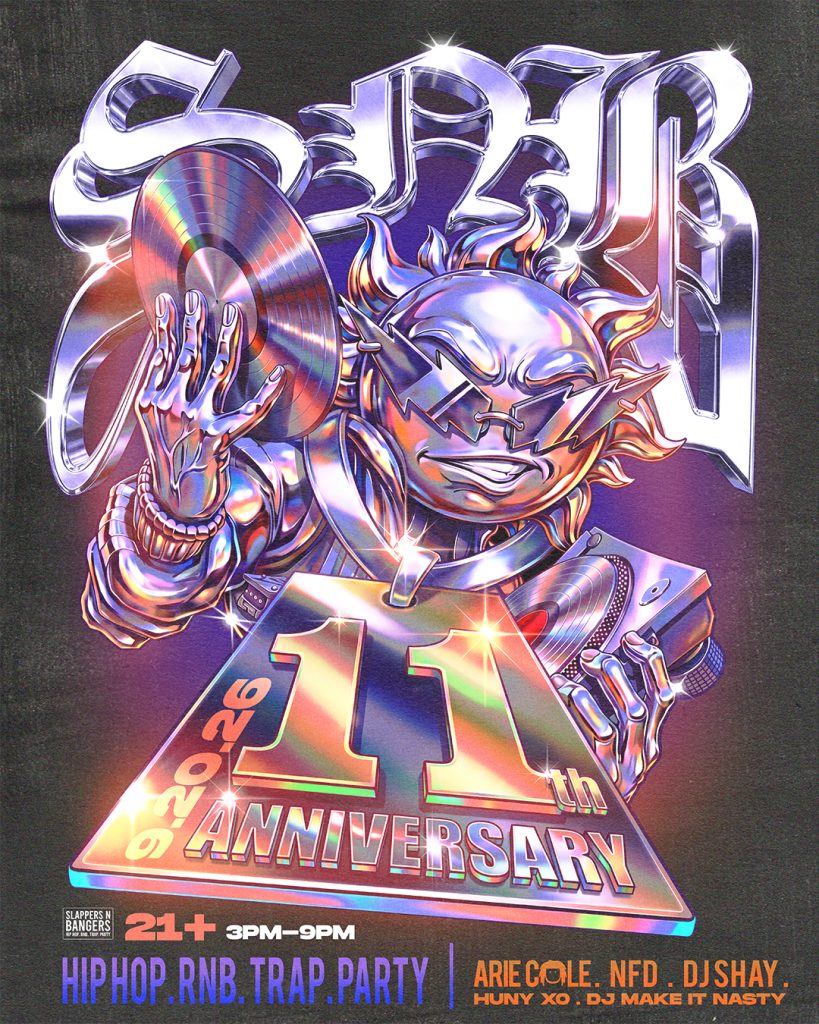
- Browse tickets and merchandise for the SNB 11th Anniversary
- Look into August SNB: 400 Degreez for the next outdoor day party on the calendar
Get your tickets and see what’s coming up at Slappers N Bangers, or check the full event lineup at our events page.
Authoritative links to check before you go
Before you pack a cooler or bring your own food to a show, the USDA’s Danger Zone guidance and tailgating food safety Q&A are worth a quick read. Beyond that, your best source is always the venue itself: look for its official “Food and drink” or “Plan your visit” page, since policies on coolers, outside food, and alcohol vary from one venue to the next.
Sources
- Danger zone: 40°F to 140°F | Food Safety and Inspection Service (FSIS)
- Top snacks for summer music festivals | Auguste Escoffier School of Culinary Arts
FAQ
What is typical food served at concerts?
Most concerts sell concession standards like popcorn, nachos, pretzels, burgers, and pizza, often alongside rotating food trucks at outdoor venues and festivals. Premium ticket holders sometimes get access to pre-order or in-seat catering options that aren’t available to general admission.
What is the 30/30/30 rule for restaurants?
The 30/30/30 rule isn’t a recognized food safety or restaurant standard, and definitions vary depending on who’s using the term. It doesn’t apply to concert food safety, where the relevant guidance is the two hour rule for perishable food left in the danger zone.
What are some good food ideas for a concert menu?
Hand-held, low-mess foods work best: wraps, hoagies, beef sticks, trail mix, popcorn, and pre-cut charcuterie all travel well and don’t require utensils. Pasta salad made with an oil and vinegar dressing instead of mayonnaise holds up better in the heat than creamy alternatives.
What are some popular food items at parties?
Loaded fries, wings, sliders, and other grab-and-go shareable foods are common at high-energy day parties and outdoor events. These items keep the crowd moving and eating without sitting down, which fits the pace of a DJ-driven party better than a sit-down meal.
Recommended
- Stacks at 3 Crossings: Parking, Transit and Entry Guide for 400 Degreez
- 400 Degreez: Everything to Know About Pittsburgh’s Hip Hop Day Party on August 9
- 10 Years of Slappers N Bangers: How a 2015 Party Became a Pittsburgh Institution
- Day Party Outfits: What to Wear to an Outdoor Pittsburgh Day Party in August