A festival is a big, multi-act event where you roam between stages and take in lots of artists in short doses. A club night is one room, one DJ at a time, and a set that can run for hours. Festivals reward curiosity and scale. Clubs reward patience and a packed floor. Neither is better, and the right pick depends on what you want from the night.
We throw hip hop, R&B and trap parties in Pittsburgh and beyond, indoors and outdoors, so we have stood on both sides of this question. Here is how we see it.
TL;DR
- Festivals mean many artists, several stages, short sets and a lot of walking. You come for discovery, the crowd and the day itself.
- Club nights mean one room, longer DJ sets that build, and a dance floor that reacts to the DJ. You come to dance.
- Research on pop events finds festival visitors are driven by social reasons, discovery and escape, while concert visitors lean toward the artist and the live moment.
- The two feed each other: many people meet new music at a festival and then chase it down in a smaller room.
- Pick a festival for variety and a big day out. Pick a club-style party when you want to hear a DJ work a whole room.
Table of Contents
- The core difference, in plain terms
- Lineup and set length
- Atmosphere and crowd
- Why people go: the motivations
- Side-by-side comparison
- The cost and effort side
- Do festivals kill clubs, or feed them?
- Perspective: what we have learned from throwing both
- How to choose your next night
- Where to go if you are in our area
- Want festival scale with a dance-floor soul?
- FAQ
- Sources
The core difference, in plain terms
The simplest way to separate them is structure. A pop music festival is a live event with more than one main artist and, in most cases, several stages, while a concert is built around one headliner, according to a peer-reviewed study of pop concert and festival visitors. A club night sits closer to the concert side on that scale: one room, one sound, one shared mood, with the DJ as the main event.
That structure changes everything downstream: how long you stay, how much you spend, how far you travel, how much you hear of any one artist, and what you remember afterward.
It also helps to know the categories overlap. A festival can hold many individual concerts. The Library of Congress describes the 1969 Altamont free concert as a single event with performances from Santana, Jefferson Airplane, the Flying Burrito Brothers, Crosby, Stills, Nash & Young, and the Rolling Stones. Its account of the 1940 Carousel of American Music shows an afternoon outdoor concert and an evening indoor concert under one festival banner. So think of it as a spectrum, not a strict either-or.

Lineup and set length
Festivals sell variety. Lineups run to dozens of artists across multiple stages, and the pitch is scale and discovery. Festival sets are usually in the 45 to 75 minute range, per DayZora’s festival and concert comparison, while concert sets often run 90 minutes to two and a half hours. Big U.S. festivals also run long days: a student-run review of festival and concert formats notes that events like Lollapalooza and Outside Lands run from 11 a.m. to 10 p.m., with stages only five to 10 minutes apart.
That last detail matters more than it sounds. Stages that close together mean overlapping sets, and you will have to choose. You will miss something you wanted to see.
A club night flips this. You get one DJ after another, usually in one room, and the set has time to breathe. A DJ can open low, build the energy, drop into a different pocket of the genre, and come back. If you want to understand how that works, our breakdown of open format DJ transition techniques shows how the best selectors move between songs without killing the floor. And our look at how organizers think about set length at hip hop and DJ nights explains why timing is a craft in itself.
What the DJs say
Artists describe the gap the same way. DJ and producer John Price writes that clubs reward patience and storytelling over a long set, while festivals reward decisiveness and impact in a short window. The Chainsmokers, in an interview about festival preparation, described festivals as a place to give fans what they want and to take risks, including showcasing unreleased music.
For a DJ, that means a festival set is a highlight reel and a club set is a story. Fans feel the difference even if they cannot name it.
Atmosphere and crowd
This is where the two feel most different, and where personal taste decides.
Festival atmosphere. Big production, big sound, and a crowd that is part of the show. Some festivals use lighting rigs, pyrotechnics and synchronized visuals as part of the performance, as a roundup of American festival formats points out. You are surrounded by thousands of people and the energy is shared, but it is also diffuse. You are often more of a spectator than a participant.
Outdoor festivals also do something clubs rarely do. The National Endowment for the Arts, in its national study of outdoor arts festivals, found they offer socializing opportunities, varied programming, informal access to unfamiliar art forms and community-building. That informal, welcoming setting is a big part of why people try new things at festivals.
Club atmosphere. Smaller, closer, louder in your chest. When it works, the DJ reads the room and the room answers back. David Guetta has described the contrast as moving thousands of people at a festival versus an intimate 200-person club where an artist can explore more underground sounds, as summarized in a guide to playing festival sets. One company blog put the feeling in a line: festivals amplify emotion, while clubs deepen it. That is an opinion, not a measurement, but it rings true to us.

If you want to know how a DJ shapes sound and stage presence for each crowd, this explainer on what dance-floor DJ music is is a good place to start.
Why people go: the motivations
The Dutch study of pop concert and festival visitors found a clear split. People go to festivals mostly for social and personal reasons, discovery, and a break from daily life. Concert visitors are more motivated by the artist’s qualities and the uniqueness of the live experience (study). The study was done in the Netherlands, so treat it as a useful pattern, not a U.S. law of nature.
Ask yourself which of these sounds like you:
- I want a day out with friends and a bit of everything. Festival.
- I want to hear one DJ or crew play for hours. Club-style night.
- I want to find new artists. Festival, then follow up in a club.
- I want to dance until my legs quit. Club-style night, or a festival stage you commit to.
Side-by-side comparison
| Festival | Club night | |
|---|---|---|
| Format | Multiple stages, many artists | One room, one DJ at a time |
| Typical set length | About 45 to 75 minutes per act | Often longer, builds over the night |
| Crowd size | Thousands | Hundreds to a few thousand, depending on the party |
| Best for | Discovery, big production, a full day out | Dancing, a tight vibe, a DJ reading the room |
| Commitment | Often a full day or weekend, plus travel | A night, usually close to home |
| Trade-off | You will miss sets and do a lot of walking | Less variety, one sound |
Set length figures come from the DayZora comparison, which covers U.S. events. Club night details are general patterns, and individual parties vary.
The cost and effort side
A festival is a project. You may need a multi-day pass, transportation, lodging and a plan for food and water. The money adds up fast, and one dance-music blogger’s ranking of the downsides lists a three-day general admission pass plus airfare among the cons in a pros and cons rundown of dance music festivals. The same list also frames festivals as a buffet where you get a taste of everything. Both points hold.
A club-style night costs you a ticket, a ride and a night. You can do it on a Friday and be at work on Monday. That ease is why people who care about dancing often come back to rooms rather than fields.
Before either, think about your ears and your body. Sustained loud sound is a real risk at both, and we wrote a short guide on how to protect your hearing at concerts and clubs. For long days in the sun and crowded floors, our safe partying playbook for dance floors and festivals covers water, buddies and exits.
Do festivals kill clubs, or feed them?
A common worry is that big festivals are draining the club scene, because people save their money for two or three weekends a year. That concern shows up in coverage of the UK scene. But the relationship looks more like a pipeline. Loopliner’s look at club and festival culture describes festivals as an entry point for new fans who then move into clubs for a deeper, more focused experience.
That matches what we see locally. Someone hears a track on a big stage in July, then shows up to a Pittsburgh party in the fall asking the DJ what that song was.
Perspective: what we have learned from throwing both
We started Slappers N Bangers in 2015, when Arie Cole and NFD saw that too many Pittsburgh venues were hesitant about hip hop and rap. So we built the room ourselves. Over the years the parties grew into large indoor and outdoor events where thousands dance together.
Here is our honest take. A festival is a great place to be surprised. A club-style party is a great place to be moved. We care most about the second thing: experienced DJs reading the crowd, playing hip hop, R&B and trap the way the music was meant to be played, and keeping the floor packed. That is hard to do in a 45-minute slot with another stage thumping across the field.
But we also love the festival side, the sun, the scale, the strangers who become friends by the third song. Our outdoor events try to bring both together: festival-size energy with a DJ-first, dance-floor approach. If you are curious about the outdoor side, see our guide to finding U.S. outdoor hip hop festivals before they sell out.
Our advice: do both. Use festivals to discover, use parties to dance, and support the artists you find.
— Slappersnbangers@gmail.com
How to choose your next night
Run through these questions in order.
- What do you want to feel? Awe and variety point to a festival. Sweat and flow point to a club-style party.
- How much time and money do you have? A festival usually means a full day or weekend. A party means one evening.
- Who is going with you? Big groups with mixed tastes do well at festivals, because everyone can wander off and meet up. Friends who all love the same sound do well in one room.
- What is the music? Hip hop and R&B are built for call and response, which suits a DJ who can read a room. If you are not sure of the sounds you like, our guides to hip hop vs R&B and rap subgenres will help you name them.
- What will you wear? Packed floors get hot. Our indoor concert outfit guide has practical picks.
Tips for first-timers at a festival
- Look at the schedule in advance and pick two or three must-see sets. Do not try to see everything.
- Leave the stage before the final song if you want to beat the exit crush, or stay and enjoy it.
- Bring a plan for meeting up if your phone dies.
- Eat and drink water before you think you need to.
Tips for first-timers at a club-style party
- Arrive early enough to catch the build, not just the peak.
- Talk to the DJ’s crew if you have a song in mind. Here is how to submit music to DJs the right way.
- Learn the room: where the bar, restrooms and exits are.
- Stay for the last hour. That is often where the best moments land.
Where to go if you are in our area
We run events in Pittsburgh and have a growing presence in New Jersey, New York and Virginia. If you are local, these will give you a feel for what the scene looks like:
- Pittsburgh: hip hop and R&B events in Pittsburgh
- New York: five venue types for real hip hop nights
- DC area: why DC crowds travel for a better party
- Meet the DJs: the Pittsburgh lineup behind 400 Degreez
Want festival scale with a dance-floor soul?
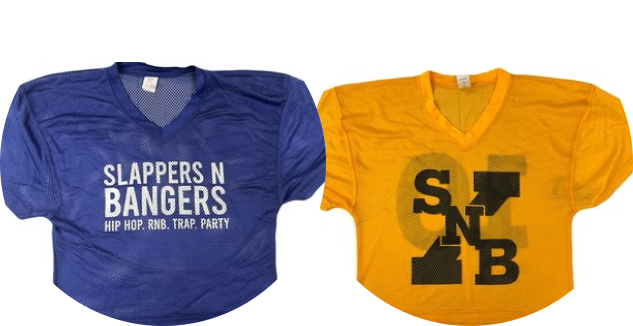
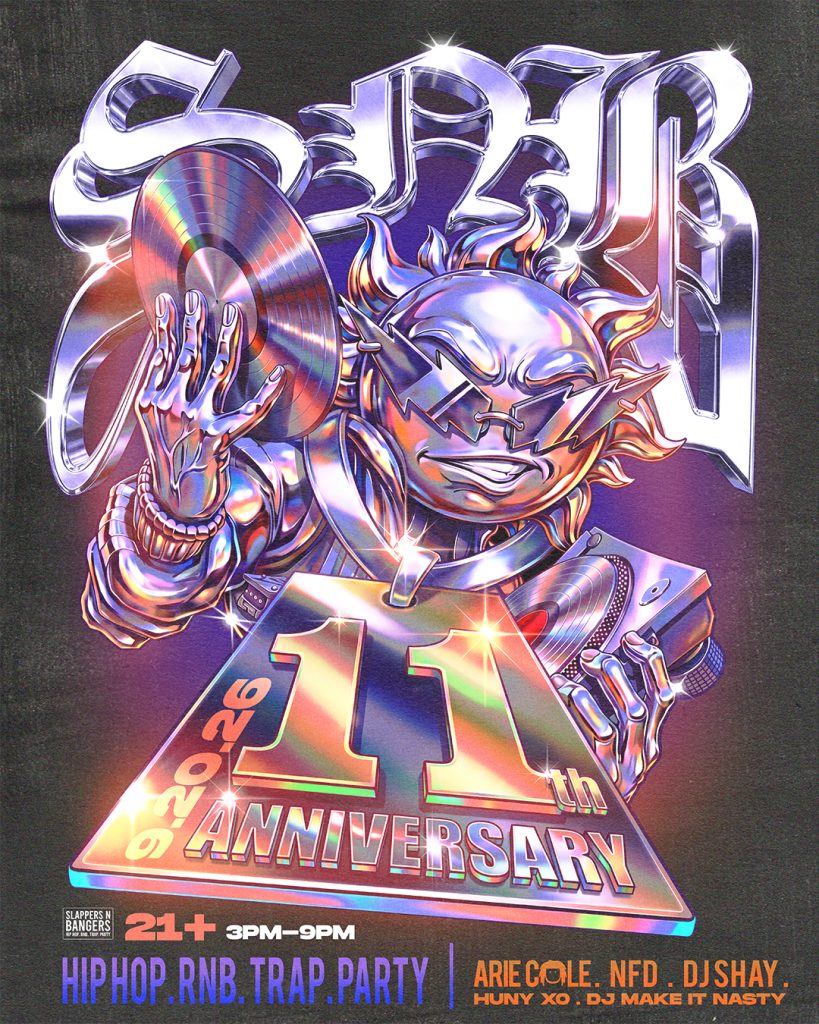
That is what we aim for. Our 11th anniversary is our celebration of the community that built this thing, and our events page lists the current party schedule. You can also pick up new and limited edition items to wear at the next one. Check the events page for what is on now, or head to the Slappers N Bangers home page for the anniversary and limited merch.

Prices for tickets and merch are published on the official pages, so check there for current details.
FAQ
What is the difference between a concert and a festival?
A concert is built around one headliner, often with an opener, and usually runs longer per artist. A festival has more than one main artist and typically several stages, per published research on pop events. Festival sets tend to be shorter, and you trade depth for variety.
Can a concert be part of a festival?
Yes. Festivals often contain individual concerts, and artists play both formats. The Library of Congress record of the 1940 Carousel of American Music shows an outdoor afternoon concert and an indoor evening concert under one festival. The experience differs mainly in set length and production.
Is a club night better for dancing?
Usually, yes. One room and a longer set give the DJ time to build energy and respond to you. Festivals can be great for dancing too, but you may be moving between stages, and sets are shorter. If dancing is the goal, pick the format with the longest, most focused set.
Are festivals more expensive than club nights?
Usually. Festivals often involve a day or multi-day pass plus travel, food and sometimes lodging, while a club-style party is typically one ticket and one night out. Prices vary by event, so check the official page for the one you want.
Can I go to both?
Absolutely, and many fans do. Festivals are a good way to find new artists, and club-style parties are where you can hear that sound played for hours. The two scenes feed each other.
Sources
- Visiting pop concerts and festivals (Taylor & Francis)
- Rolling Stones at Altamont, Library of Congress
- Carousel of American Music, Library of Congress
- Concerts vs Music Festivals, DayZora
- Music festivals or concerts, which is better?
- Nightclub DJ Set vs Festival DJ Set
- Club Sets Vs. Festival Sets, Your EDM
- American Music Festivals: How They Differ by Genre and Format
- Live from Your Neighborhood, National Endowment for the Arts
- Playing Festival Sets: A DJ’s Guide
- Why Festivals Feel Different From Clubs
- Underground Clubs vs Festivals, Loopliner
- What Is Dance-Floor DJ Music?