An event code of conduct is a short, enforceable policy that names who it covers, lists specific prohibited behaviors, and explains exactly how to report and resolve incidents. It needs to be written in plain language, posted where people will actually read it before and during the event, and built around four sections that never get skipped: scope, expected and prohibited behavior, reporting, and consequences.
TL;DR:
- A comprehensive event code of conduct must clearly define who it applies to, including in-person, virtual, and social media spaces, for all participant types.
- It should set a positive tone by outlining respectful behavior and obtaining ongoing consent, with explicit examples of prohibited conduct such as harassment, disruption, and non-consensual recording.
- Multiple reporting channels, including on-site contacts and anonymous forms, are essential, with immediate assessment and documentation of incidents by trained staff with designated authority.
- Enforcement actions need to be scaled from warnings to removal or bans, conducted by authorized senior staff and documented thoroughly for legal and review purposes.
- Practical implementation involves staff training, contractual clauses, signage, and pre-compiled support resources, ensuring the code’s principles are actively upheld during the event.
Table of Contents
- Who the code covers and what it’s meant to do
- Setting the tone: expected behavior before the doors open
- What counts as prohibited conduct, spelled out
- How reporting works, on-site and after the event
- Enforcement options and keeping the process fair
- Turning the policy into practice on event day
- Copy-ready clauses you can adapt today
- Where affected attendees can turn for support
- How SNB handles code of conduct in a live nightlife setting
- Bring the code of conduct energy to your next SNB event
- Sources
- FAQ
Who the code covers and what it’s meant to do
A code of conduct only works if everyone knows they’re bound by it before something goes wrong. That means naming every group in the room, not just ticket holders.
- Attendees, staff, volunteers, speakers, exhibitors, and sponsors, plus anyone using official event channels
- In-person spaces, official social media accounts, and any virtual or hybrid programming tied to the event
- Goals stated up front: physical safety, an inclusive atmosphere, clear operational rules, and reduced liability for organizers
The ASAE recommends covering every participant type and folding enforcement procedures directly into the document, not treating them as an afterthought. Because rules about removal, refunds, and liability shift by jurisdiction, it’s worth having legal counsel review the language before it goes live, especially for larger, multi-city events.
Setting the tone: expected behavior before the doors open
Before you list what’s banned, tell people what good looks like. A short, positive framing sets the tone and gives staff a clean standard to point back to during enforcement.
- Treat other attendees, staff, and performers with respect regardless of background, identity, or role
- Get clear, voluntary agreement before touching someone, taking their photo up close, or entering a private space, and check in again if the situation changes
- Follow venue-specific rules, including posted capacity limits and off-limits areas
- Ask before recording anyone individually, and expect general crowd or stage footage where signage says filming is in progress
Consent should be defined plainly as voluntary, informed, and ongoing, language pulled straight from event safety standards built for high-contact, high-energy settings. It’s not a one-time checkbox: someone can say yes and then change their mind mid-interaction, and staff need to treat that reversal as final.
Pro Tip: Print your consent and recording guidelines on a single card and hand it to volunteers during check-in so nobody is improvising the wording on the fly.
What counts as prohibited conduct, spelled out
Vague rules don’t hold up when you’re trying to remove someone at 1 a.m. Name the behavior, not just the category.
- Harassment and discrimination, including slurs, unwanted physical contact, sustained following, or targeting someone based on race, gender, orientation, or disability.
- Disruptive conduct, such as blocking aisles or exits, sustained heckling during a set or session, or interfering with staff doing their jobs.
- Intoxication that endangers others, including refusing to leave a bar area when cut off, or behavior that threatens staff or fellow attendees.
- Privacy and image violations, such as posting close-up photos or video of someone without consent, or recording in areas marked no-filming.
The Take This event safety guidance is direct on this point: codes that stick to observable actions rather than abstract “be nice” language are the ones staff can actually enforce in the moment.
How reporting works, on-site and after the event
People need more than one way to flag a problem, and they need to trust that reporting won’t backfire on them.
- A staffed safety desk or clearly marked point of contact on-site
- A phone number or text line for real-time reports during the event
- An anonymous online form and a monitored email address for after-the-fact reports
- A written promise that reports are kept confidential except where safety requires escalation
Once a report comes in, the first move is securing the person reporting, not chasing the accused. Staff assess immediate risk, pull in security or EMS if there’s any physical danger, and document what happened while details are fresh. Take This’s event safety framework calls for a senior staff member to be reachable at all times specifically to resolve these situations without delay, rather than leaving frontline volunteers to make judgment calls alone.
Pro Tip: Acknowledge every report, even a minor one, within the hour. Silence reads as dismissal even when your team is actively working the issue.
Enforcement options and keeping the process fair
Consequences work best on a scale, not as a single all-or-nothing switch.
- A verbal warning for a first, low-severity issue
- Removal from the venue for repeated or escalating behavior
- A multi-event or permanent ban for serious violations, documented in writing
- Notification to law enforcement when the behavior is criminal, not just a policy breach
Only named senior staff should have authority to issue removals or bans. The Take This framework is specific about this: spreading that authority across untrained volunteers leads to inconsistent calls and more liability, not less. Every decision gets logged, including what was reported, who responded, and what action was taken, so the record holds up if it’s questioned later. When a situation involves potential legal exposure, loop in counsel before finalizing a permanent ban.
Turning the policy into practice on event day
A code that lives only on a webpage doesn’t protect anyone. It needs to show up in training, contracts, and signage.
- Train every frontline staffer and volunteer on the reporting flow before doors open, and name one on-call senior staffer who can authorize removals
- Add a short code-of-conduct clause to speaker and sponsor contracts requiring them to brief their own booth staff and crew
- Include a registration checkbox, a link in confirmation emails, and a mention in opening remarks so nobody can claim they never saw it
- Post signage at entrances, bars, and restrooms, and put the reporting contact directly on staff badges or the event app
The ASAE points to contract language as one of the more effective levers here: when sponsors and speakers are contractually obligated to brief their own people, enforcement stops being just the organizer’s problem.
Pro Tip: Read the code out loud during opening remarks, even a 30-second version. Hearing it live changes how seriously a crowd takes it.
Copy-ready clauses you can adapt today
Here’s a compressed template built from the sections above.
- Scope: “This code applies to all attendees, staff, speakers, exhibitors, and sponsors, both on-site and across official event channels.”
- Expected behavior: “Treat others with respect, get clear consent before physical contact or close-up photos, and follow all posted venue rules.”
- Prohibited conduct: “Harassment, discrimination, disruptive behavior that blocks aisles or exits, intoxication that endangers others, and non-consensual recording will not be tolerated and may result in removal without refund.”
- Reporting: “Report concerns on-site at the safety desk, by text at [number], or after the event at [email/anonymous form]. Reports are confidential except where safety requires action.”
Organizations like Microsoft publish versions of this exact structure for their own conferences, and it’s a solid model to adapt regardless of event size. Post a shortened version on signage and a full version on your registration page.
Where affected attendees can turn for support
A code of conduct handles the policy side of an incident. It shouldn’t be the only resource offered to someone who’s just been through something upsetting.
Have a short list ready before the event, not assembled after an incident happens. That includes a local or national crisis line, contact information for an advocacy group relevant to the type of incident, and a plan for connecting someone with counseling resources if they want that follow-up. If your event has a partner venue or host city, ask ahead of time whether they have relationships with local victim-advocacy organizations you can point people toward.
Staff working the safety desk should know these resources exist and be ready to hand over a printed card rather than searching for a number in the moment. The goal isn’t to solve someone’s night for them. It’s to make sure they leave the interaction with an actual next step instead of just a completed incident report.

How SNB handles code of conduct in a live nightlife setting
Running large hip hop and R&B parties across cities means the code has to work in a packed room with a DJ reading the crowd, not just on paper. Bar areas are staffed separately from the dance floor so cutting someone off doesn’t require shutting anything down, and removals happen quickly and discreetly so the energy on the floor stays consistent. Messaging on badges and tickets sets expectations before entry.
— Slappersnbangers@gmail.com
Bring the code of conduct energy to your next SNB event
A well-run code of conduct is what lets a room full of strangers actually let loose together, and that’s the whole point of an SNB night. Events are built around DJs who read the crowd and focus on hip hop, R&B, and trap played as intended, with clear expectations set before the doors open to maintain a lively atmosphere throughout the night. That’s the kind of atmosphere you won’t get walking into a venue that’s still figuring out how to program these genres.
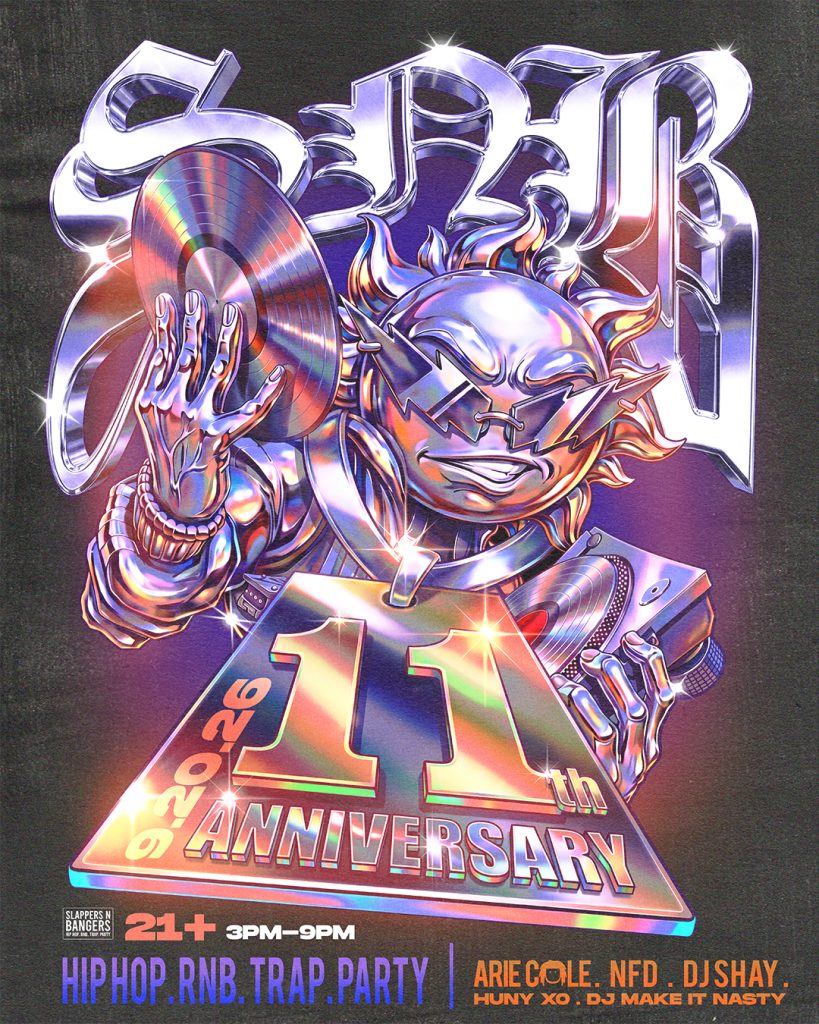
Check what’s coming up with SNB 11th Anniversary or catch the lineup for August SNB: 400 Degreez, and grab your ticket before the room fills up.

Sources
For deeper drafting help, look at published codes from Microsoft, the ASAE, and Python.org’s best practices guide, all of which show different ways to phrase scope and consequences. Python’s guidance also recommends publishing an anonymized transparency report after larger events to show attendees the process actually works. For jurisdiction-specific questions around removals, refunds, or employment law tied to staff conduct, consult legal counsel rather than relying on a template alone.
FAQ
What are the five codes of conduct?
There’s no single universal list of five; definitions vary by organization. Most comprehensive event codes cover scope, expected behavior, prohibited conduct, reporting channels, and enforcement consequences, which functions as a practical five-part structure.
What are the five C’s of event management?
This isn’t a standardized framework with one agreed definition, and different event planning sources describe it differently. Rather than relying on a numbered list, focus on the core elements this article covers: scope, communication, conduct expectations, reporting, and consistent enforcement.
What does an event code of conduct mean?
It means a written policy that tells everyone at an event, from attendees to sponsors, what behavior is expected and what will get someone removed. The strongest versions, like those from Microsoft, spell out specific prohibited actions rather than vague ideals.
What are the six codes of conduct?
There’s no fixed six-part standard used across the industry. If you’re building one from scratch, expand the core four sections into six by separating expected behavior from prohibited behavior, and reporting from enforcement, giving each its own clear space.
How do organizers handle event misconduct in the moment?
Trained staff secure the person who reported the issue first, assess whether anyone’s in immediate danger, and bring in security or medical help if needed. A named senior staffer, kept on call specifically for this, then decides on warnings, removal, or a ban and documents the decision, a structure recommended by Take This.