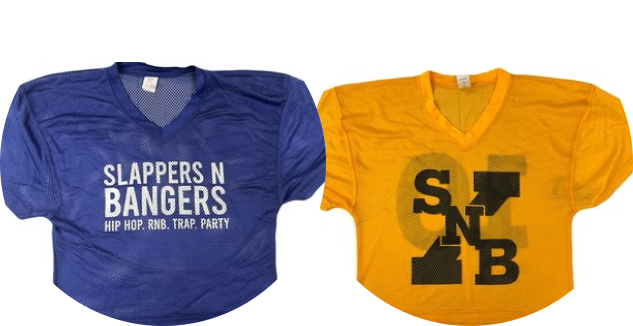
Good dance floor etiquette comes down to four things: get consent before you dance and keep checking for it, move with the flow of traffic instead of against it, show up clean with the right shoes, and treat your partner like a person, not a prop. The sections below break down the phrases, safety checks, and quick fixes that make all four second nature.
TL;DR:
- Most dancers initiate with a simple ask or gesture, and accepting or declining requires only polite, pressure-free responses; declining should never prompt explanations.
- Consent remains ongoing and can be revoked at any moment, with clear nonverbal signs and sincere mid-dance check-ins being essential to maintaining comfort.
- Moving with the room follows specific traffic patterns, such as the counterclockwise line of dance, and entering or exiting the floor should be done cautiously to avoid collisions.
- Role swaps, lifts, and dips should only occur with explicit consent, proper preparation, and an understanding of space limitations; avoid surprises or forceful techniques on the social floor.
- Community safety depends on organizers’ visible support, with clear rules and proactive staff presence, reinforcing the habit of continuous attention and respect for boundaries.
Table of Contents
- How to ask, accept, or decline a dance
- Consent and boundaries don’t end when the song starts
- Floorcraft: moving with the room instead of against it
- Leader and follower roles are jobs, not genders
- Hygiene and footwear that keep partners comfortable
- Dips, lifts, and when to leave the fancy stuff for practice
- Common etiquette mistakes and quick fixes
- How event organizers build safer dance floors
- Our take: etiquette is a floorcraft problem before it’s a manners problem
- See this etiquette in action at an SNB event
- FAQ
- Sources
How to ask, accept, or decline a dance
A simple approach works best. Walking up, making eye contact, and asking “Would you like to dance?” covers most situations, and an open hand extended toward the floor often does the job without a word. Either role can initiate, and reading the room matters as much as the words you use.
- Accepting: A smile and “I’d love to” or a nod toward the floor is all you need.
- Declining: “No thank you, I need to sit this one out” is complete on its own. According to etiquette guidance from Revolution Ballroom, a polite decline requires no explanation and should never be met with pressure or follow-up questions.
- Maybe later: “I’m catching my breath, ask me for the next one” signals genuine interest without obligation.
- After the dance: A quick “Thank you, that was fun” closes things out cleanly, win or lose on the connection.
If someone declines, the right move is to say thanks and walk away without sulking or asking why. That grace is what keeps a dance floor feeling safe to approach in the first place.
Consent and boundaries don’t end when the song starts
Saying yes to a dance is not a blanket agreement to everything that follows. Consent in social dance works best when it’s treated as ongoing and reversible, something either partner can pull back at any point without justifying it, according to research from the University of Washington on consent culture in dance communities.
Watch for nonverbal signs of discomfort: stiffening up, pulling away, avoiding eye contact, or shortening the distance a partner is willing to hold. A simple mid-dance check, “Are you good?” or “Too close?”, opens the door for honest feedback without making it awkward.
- Stepping back and ending the dance early is always an acceptable response to discomfort, no explanation owed.
- “I need to stop here, thanks” is a complete and polite exit line.
- Finding an organizer or volunteer is the right call if a partner won’t respect a boundary.
Community safety guidelines for contact-based dance forms describe consent as fluid: a partner can revoke it at any moment, and the only appropriate response is immediate de-escalation, per guidance compiled for contact improvisation communities.
Pro Tip: Practice your exit line before you need it. “I’m going to sit down, thank you” said calmly works in almost any situation.
Floorcraft: moving with the room instead of against it
Most traveling partner dances, like waltz and foxtrot, follow a counterclockwise “line of dance,” meaning couples move around the floor’s perimeter in the same direction, according to etiquette guidance from BallroomPages. Cutting against that flow or parking in the middle of a lane is the fastest way to cause a pileup.
Spot and slot dances work differently. Salsa tends to stay in one general area, while West Coast Swing operates in a “slot,” a narrow lane the follower travels through while the leader stays anchored at one end. Protecting that slot from passing traffic is the leader’s job.
Entering a crowded floor takes a quick sequence:
- Pause at the edge and watch the traffic pattern for a few seconds.
- Make eye contact with nearby couples before stepping in.
- Enter moving in the same direction as everyone else, never against it.
- Keep your first few steps small until you match the room’s pace.
- When exiting, move to the perimeter rather than stopping cold in a lane.
Faster couples get a lane when they signal to pass; slower couples hold the inside track. Floorcraft conventions like these are simple to learn and cut down on collisions dramatically once they become habit, per the same BallroomPages guide.
Leader and follower roles are jobs, not genders
Leading and following are functions, not assignments based on who you are. Anyone can ask to lead, anyone can ask to follow, and plenty of dancers swap roles mid-song once they’ve got the basics down.
- A quick “Want to switch?” is all it takes to propose a role swap.
- Indicating a preference for closer or more open frame is as simple as adjusting your arm tension and letting your partner feel the change.
- Back-leading, where a follower tries to force the next move, creates confusion and tension; if the lead isn’t landing, a brief “I’m not quite catching that” works better than muscling through it.
- Save technique corrections for a class setting. A social floor is not the place to fix someone’s frame.
Offering feedback after the dance, privately and only if asked, keeps the exchange friendly instead of awkward.
Hygiene and footwear that keep partners comfortable
Clean clothes, deodorant, and breath mints are the baseline, and packing a spare shirt for longer socials saves everyone involved, a habit frequently recommended across social-dance etiquette guides.
- Keep fragrance light or skip it entirely since cologne and perfume linger on a partner long after the song ends.
- Match your shoes to the floor: suede soles for most studio floors, and nothing with a grippy rubber sole that can twist a knee mid-turn.
- Skip stiletto heels on crowded socials where quick footwork near other couples is common.
- Leave drinks and bags off the floor, and never dance holding a cup.
Dips, lifts, and when to leave the fancy stuff for practice
The rule for any move beyond basic steps is simple: no surprises. Dips, lifts, and aerials need a clear yes before you attempt them, along with a quick look around for space and other dancers.
- Ask directly: “Mind if I dip you?” before attempting anything beyond standard footwork.
- Check the floor surface for anything slick, uneven, or crowded.
- Confirm your partner has done the move before or walk them through it first.
- Agree on a signal they can use to bail out mid-move.
- Know your exit: how you’ll bring them back up safely if something feels off.
Aerials and lifts that leave the ground belong in rehearsed performances or practice sessions with spotters, not a typical social floor where space and timing can’t be guaranteed. If a move goes sideways, stabilize your partner first, apologize, and check if they need a minute before continuing.
Pro Tip: If you have to ask yourself whether there’s room for a move, there isn’t.
Common etiquette mistakes and quick fixes
- Monopolizing a partner all night: Rotate through a few songs, then open the floor to others.
- Unsolicited teaching mid-dance: Save corrections for class. Unsolicited instruction on the social floor is widely seen as a major breach of etiquette, per DanceSpree’s community guidance.
- Ignoring a collision: A quick “Sorry about that” and moving on is the preferred response, since etiquette resources from Sundance Saloon note that lengthy apologies disrupt the room more than the bump itself.
- Staring at your phone between songs: Save texting for the sidelines so you’re ready when the music starts.
How event organizers build safer dance floors
Organizers set the tone before anyone steps on the floor. Visible staff, clear pre-event messaging about scent and photo policies, and a known way to flag a problem all reduce friction and give dancers somewhere to turn, practices documented by community care initiatives like Seattle Ecstatica.
Visible in-event support gives dancers options to report or get help without having to confront anyone directly.
At events, a visible team circulating the crowd and clear house rules shared before doors open help keep a packed floor fun instead of chaotic.
Our take: etiquette is a floorcraft problem before it’s a manners problem
Most etiquette advice treats good behavior as a matter of politeness, something you either have or don’t. We’d argue it’s closer to a skill, and the skill that matters most is reading the floor: knowing where the traffic is going, noticing a partner’s body language shift, catching the moment before a collision happens instead of apologizing after.

Consent conversations often get treated as a one-time checkbox, a yes at the start of a song. That framing undersells it. The dancers who feel safest to approach are the ones who keep checking in, not the ones who asked permission once and moved on. The same goes for floorcraft: it’s not a rulebook to memorize, it’s a habit of paying attention to the four or five couples around you at all times.
If you take one thing from any of this, make it the habit of checking in, mid-dance, after a dip, before a role swap. Everything else follows from that instinct.
— Slappersnbangers@gmail.com
See this etiquette in action at an SNB event
The best way to understand good floor culture is to stand in the middle of one. Events bring together DJs who read the crowd and a community built around hip hop, R&B, and trap played the way it’s meant to be heard, such as at the SNB 11th Anniversary and August SNB: 400 Degreez.

Check the house rules posted before each event so you know what to expect, then come see a packed, well-run floor featuring custom music for yourself.
FAQ
What is dance floor etiquette?
Dance floor etiquette is the set of shared behaviors that keep social dancing safe and enjoyable: asking before you dance, respecting a partner’s boundaries throughout the song, moving with the flow of traffic, and keeping yourself clean and well-shod. These norms exist so dancers of any skill level can share a floor without confusion or collisions.
How do you politely decline a dance?
A simple “No, thank you” is complete on its own and doesn’t require an excuse, according to etiquette guidance from Revolution Ballroom. The person who asked should accept the answer gracefully and move on without pressing for a reason.
What does line of dance mean?
Line of dance refers to the counterclockwise direction that traveling partner dances like waltz and foxtrot move around the floor, a convention explained in social-dance guidance from BallroomPages. Dancing against that flow or stopping in a traffic lane is one of the fastest ways to cause a collision.
Is consent required for every dance, even with the same partner?
Yes, consent in social dance is treated as ongoing and reversible, meaning a partner can step back or end a dance at any point even if they agreed to start it, per research from the University of Washington. Checking in mid-dance, especially before closer holds or more advanced moves, keeps that consent current rather than assumed.
Can you teach a partner moves during a social dance?
Unsolicited instruction on the social floor is widely considered poor etiquette and can embarrass the person receiving it, according to community guidance from DanceSpree. Corrections and teaching are best saved for a class or practice session, not the middle of a social.
Sources
- Fostering a culture of consent in social dance communities — University of Washington
- Safety and Boundaries — Contact Improvisation resource
- Social Dancing guide — BallroomPages