An after party is a gathering that picks up right where the main event leaves off, usually with a smaller crowd, a looser vibe, and no set schedule. Think of the reception dinner ending but the celebration continuing at someone’s house, or a concert letting out while the real energy shifts to a club a few blocks away. It is the encore nobody printed on the program.
TL;DR:
- The typical after-party is an exclusive, smaller gathering that follows a main event and focuses on informal conversation rather than entertainment.
- Location choices frequently include private homes, hotel suites, or late-night clubs, with the goal of extending connections or unwinding in a private setting.
- Music often shifts to a DJ or playlist, dress codes relax, and casual food is served as the crowd shrinks and deepens their conversations.
- The concept has historical roots in cast parties, jazz jam sessions, and Hollywood award-after parties, emphasizing ongoing social bonding after formalities
- The term’s variations—after-party, afterparty, after-Party—are used interchangeably, with formal contexts favoring hyphenation and casual usage leaning toward one word.
Table of Contents
- After Party Meaning: A Closer Look at the Definition
- Where After Parties Happen and Why People Throw Them
- What Actually Happens at an After Party
- Is It “After Party,” “Afterparty,” or “After-Party”?
- The Culture Behind the After Party: A Nightlife Perspective
- Where the After Party Tradition Actually Comes From
- Why the After Party Still Matters
- Sources
- FAQ
After Party Meaning: A Closer Look at the Definition
Merriam-Webster keeps it simple: an after-party is a party for invited guests that follows a main party or event. Cambridge adds texture, describing an afterparty as “a relaxed social event in which people sit and talk after they have been at a party or nightclub.” Put those together and you get the full picture: smaller guest list, informal setting, and a mood that trades performance for conversation.
Dictionary.com sharpens the point further, noting that after-parties are usually exclusive events that follow performances or main parties, often tied to weddings and concerts specifically. That word “exclusive” matters. Not everyone from the main event gets to come along.
Here’s what that looks like in practice:
- A wedding after-party might be twenty close friends and family in a hotel lobby bar, still in their formal wear, while the DJ plays requests nobody could sneak into the reception timeline.
- A concert after-party often moves to a nearby venue or club, where a DJ takes over and the crowd shrinks from thousands to a few hundred diehard fans who weren’t ready for the night to end.
- A celebrity or industry after-party frequently happens in a hotel suite or private lounge, built around an RSVP list rather than open admission.
Each version keeps the core formula: fewer people, later hours, less structure.
Where After Parties Happen and Why People Throw Them
After-parties tend to land in a handful of predictable spots: private homes, hotel suites, the back rooms of the original venue, or late-night clubs that specialize in picking up the crowd once other spots close. The choice of location usually comes down to who’s invited and how much privacy the moment calls for.
The reasoning behind throwing one is just as consistent:
- Extending connection — people aren’t ready to say goodbye after a wedding or a big show, and the after-party buys another hour or three.
- Unwinding without an audience — performers, wedding parties, and honorees often want a version of the night where they’re not “on.”
- Networking in a lower-pressure setting — industry after-parties exist because real conversations happen easier away from a stage or a receiving line.
- Creating exclusivity — a smaller, invite-only room signals status and rewards the people closest to the event.
Weddings, concerts, and award shows all use after-parties differently. A wedding after-party is sentimental. A concert after-party is about chasing the night’s momentum. An awards show after-party is often strategic, built for industry mingling as much as celebration.
What Actually Happens at an After Party
Walk into most after-parties and you’ll find a fairly consistent script, just dialed down from whatever came before it.
- The music shifts. A DJ set or curated playlist usually replaces whatever formal entertainment ran the main event.
- The dress code relaxes. Ties come off, heels get traded for flats, and nobody minds.
- Food shows up in casual form. Late-night bites, sometimes catered, are common. Some after-party catering services, like late-night breakfast setups, run around $50 per person as a practical add-on for hosts.
- The crowd shrinks and the conversation deepens. Fewer people means more actual talking instead of shouting over a crowd.
Etiquette stays fairly loose but a few norms hold. You generally need an invitation, whether that’s a verbal “come through after” or an actual wristband. Gifts aren’t expected the way they are at the main event. Entry might involve a cover charge or guest list check, especially for concert or industry after-parties where organizers are managing capacity.
Is It “After Party,” “Afterparty,” or “After-Party”?
All three spellings show up in everyday use, and none of them is wrong exactly. Formal dictionaries like Dictionary.com still favor the hyphenated after-party, which is the safest choice for résumés, press releases, or anything following a style guide.
Afterparty, written as one word, has become the go-to in nightlife writing, social media captions, and casual conversation. After party, spelled as two separate words, still appears plenty in everyday speech and informal text.
If you’re writing for a formal audience, stick with the hyphen. If you’re texting a friend about tonight’s plans, any version works fine. Language evolves faster than style guides catch up, and this term is a textbook case of that gap.
The Culture Behind the After Party: A Nightlife Perspective
In music and nightlife culture, the after-party often isn’t a footnote. It’s the part serious fans plan their whole night around. Coverage of after-hours festival culture describes these late-night extensions as experience-driven moments where the formal show gives way to something rawer and more intimate, often becoming the peak of the night for the people who stay.
When the main stage lights go down, the after-party is where the energy doesn’t stop, it just gets closer… Smaller rooms, louder bass, and the people who didn’t want the night to end yet.
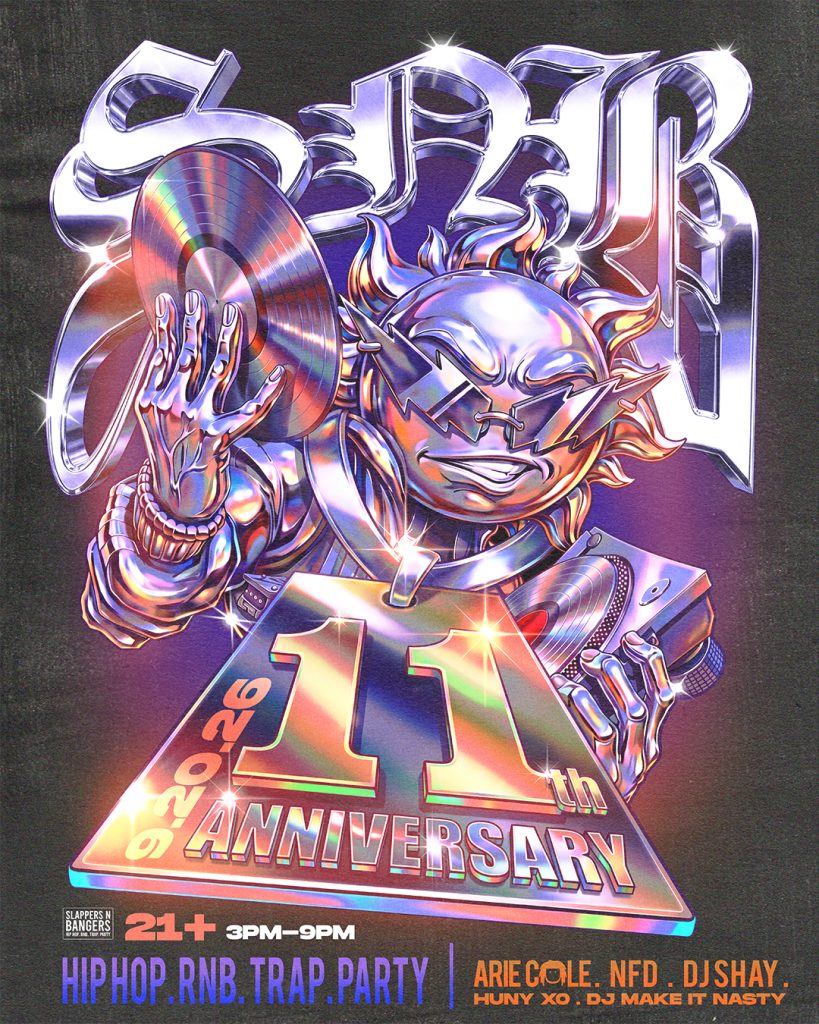
An established party organization in Pittsburgh has built programming around exactly that instinct: extending the night so the community doesn’t have to say goodnight early. Since launching in 2015, the organization has grown from filling a gap in local venues resistant to hip hop and rap into staging large-scale indoor and outdoor experiences that keep the connection going well past the opening set.
Pro Tip: If you’re hoping to get into a promoter-run after-party, don’t wait until midnight to figure out entry. Many are RSVP-based or capped for capacity, so check ticketing details or guest list instructions in advance rather than showing up and hoping for the best.

Where the After Party Tradition Actually Comes From
The after-party isn’t a modern invention dressed up in new slang. Cast parties following theater performances and formal receptions after society balls both carried the same basic instinct: the main event ends, but the people who care most about it aren’t ready to leave. Jazz clubs in the early twentieth century built entire secondary economies around musicians and audiences drifting to smaller rooms once the official set wrapped, often for jam sessions that outlasted the show itself.
Hollywood popularized the term through award season, where the ceremony became almost secondary to the after-parties thrown by studios and magazines. That’s largely where “after-party” picked up its association with exclusivity and status. Hip hop and nightlife culture pushed the term in a different direction starting in the late twentieth century, treating the after-party less as a status symbol and more as the real destination, the place where the music got louder and the crowd got more devoted.
Wikipedia’s overview of the afterparty concept traces how the term has flexed across cultures and media, showing up in film, music, and event planning with slightly different connotations each time. What hasn’t changed is the core function: it’s the room people go to when they’re not ready for the night to be over.

Why the After Party Still Matters
After-parties matter because they’re where community actually forms, not just where a night technically ends. A wedding reception has a schedule; an after-party doesn’t, and that’s exactly why real memories tend to happen there. Some event organizers have spent years building events designed around that same principle: give people a reason to stay connected past the scheduled runtime, and the culture builds itself. That’s the whole appeal of an after-party. It’s unscripted by design.
— Slappersnbangers@gmail.com
Ready to see what an after-party actually feels like instead of just reading about one? Check upcoming Slappers N Bangers events and find out where Pittsburgh’s night doesn’t end when the main event does.
Sources
- after‑party | Merriam‑Webster
- afterparty | Cambridge Dictionary
- Dictionary
- After‑hours festival culture: the best late‑night parties in 2025 | MusicFestivalsNews
FAQ
What does “after party” mean in slang?
In casual and slang use, “after party” refers to a smaller, more relaxed gathering that continues right after a bigger event, concert, or night out. It carries a connotation of exclusivity and looseness, often implying that the “real” fun happens there rather than at the main event.
What is the meaning of after party?
An after party is a social gathering that happens immediately following a main event, typically smaller, more informal, and more exclusive than what came before it. Dictionary.com notes it commonly follows weddings, concerts, and award ceremonies.
What happens at an afterparty?
Expect a shift toward relaxed music, often a DJ set, along with casual food, looser dress, and more intimate conversation among a smaller crowd. Cambridge Dictionary describes it as a setting where people mainly sit and talk after leaving a party or nightclub.
Is it after party or afterparty?
Both spellings are widely used, along with the hyphenated “after-party.” Formal writing tends to favor the hyphenated form, while “afterparty” as one word has become common in casual and nightlife contexts.
Recommended
- 10 Years of Slappers N Bangers: How a 2015 Party Became a Pittsburgh Institution
- Where to Find the Hottest Summer Outdoor Parties in Pittsburgh in 2026
- Columbus Is Close, Which Is Why Everyone’s Pulling Up to Pittsburgh This Summer to Party
- 5 Best Summer Block Party Festivals in Pittsburgh for Hip Hop, Music, and Good Vibes