If your show gets cancelled outright, you’re typically owed a cash refund, and recent state attorney general action backs that up. If it’s merely postponed, organizers commonly offer credit instead, at least until a new date falls through. Federal rules now require sellers to be upfront about which one applies before you even buy.
TL;DR:
- Refunds are generally mandated for fully canceled events with no rescheduled date, regardless of organizer policies.
- A postponed event usually results in a credit, but if the new date or rescheduling details are vague, challenge the status in writing.
- Federal rules require upfront disclosure of refund policies, and recent enforcement shows refunds are recoverable even if credits are promised.
- Platform credits tend to be more flexible but limited to one marketplace, while event-specific credits expire quickly and are more restrictive.
- Act promptly, document all communications, and insist on written confirmation of the event status and refund rights to protect your consumer interests.
Table of Contents
- What ‘cancelled’ and ‘postponed’ mean, and why it matters for refunds
- Key rules and enforcement that affect refundability
- What organizers and platforms usually offer instead of cash
- How to request a refund or lock in a credit
- When to accept a credit and when to insist on a refund
- How Slappers N Bangers handles cancellations and credits
- The real problem isn’t refunds vs credits, it’s ambiguity
- Buy tickets and merch with your refund rights covered
- Sources
- FAQ
What ‘cancelled’ and ‘postponed’ mean, and why it matters for refunds
These two words carry very different weight once money is involved. A cancelled event means the show is off entirely: no new date, no rescheduled lineup, nothing to wait around for. A postponed event means it’s been pushed, usually with a new date announced within a reasonable window.
That distinction changes your leverage. Cancellation generally triggers a stronger right to a cash refund because there’s no future performance to deliver. Postponement often lets organizers offer credit toward the rescheduled date, since the contract for entry technically still stands, just on a different night.
Where things get messy is the gray area. A headliner drops out, the venue changes boroughs, or the date shifts by six months with no firm plan. Treat any of these as grounds to ask, in writing, whether the event counts as cancelled or postponed, because that one word determines what you’re entitled to.
- A full cancellation with no replacement date usually means a refund.
- A postponement with a confirmed new date usually means a credit or the option to attend later.
- A vague “rescheduling pending” status should be challenged until the seller commits to one label or the other.
Key rules and enforcement that affect refundability
Two things now shape what sellers can get away with: federal rulemaking and state-level enforcement.
The FTC’s Rule on Unfair or Deceptive Fees requires ticket sellers to disclose the total price upfront and prohibits misrepresenting whether a purchase is refundable. The final rule text specifically calls out bait-and-switch pricing and false refundability claims in live-event ticketing, which means a seller can’t quietly bury “non-refundable, credit only” after you’ve already paid.
State enforcement has backed that up with real dollars. New York’s attorney general secured $4.4 million in refunds for customers whose events were cancelled or postponed, after organizers tried pushing credits instead of cash. That’s a useful precedent to cite if a seller stonewalls you.
$4.4 million in refunds were recovered for ticket buyers in one state enforcement action after organizers resisted issuing cash back, according to the New York attorney general’s office. It shows refunds are recoverable even when a seller’s fine print says otherwise.
What this means practically:
- Sellers must state clearly, before purchase, whether tickets are refundable.
- You can cite state AG precedent when a seller claims credit is your only option.
- Get any refund or credit promise in writing, not a verbal assurance from support chat.
What organizers and platforms usually offer instead of cash
When an event changes status, you’ll typically be offered one of a few things, and they’re not interchangeable. A platform credit lives in your account with the ticketing service and can often be used toward any event sold there. An organizer voucher is tied specifically to that promoter’s future shows. An event-specific credit only applies to the rescheduled date of the same show, nothing else.
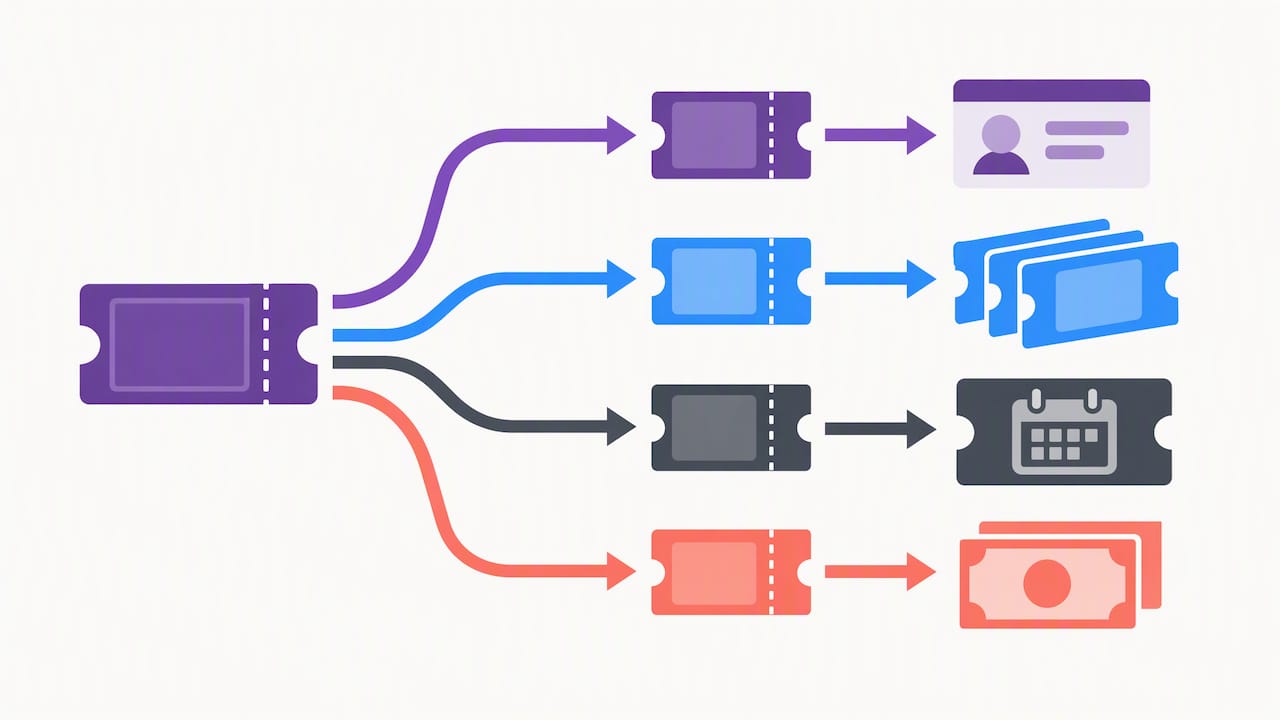
Restrictions vary widely between these. Some expire in 90 days, others in a year. Some can’t be transferred to another person. Some quietly deduct the original service fee before crediting the balance, so $50 in tickets becomes $44 in usable credit.
Before accepting anything, confirm who’s actually issuing it: the venue, the promoter, or the ticketing platform. That answer determines who you’d dispute with later if the credit doesn’t work as promised.
- Platform credits are usually the most flexible but tied to one marketplace.
- Organizer vouchers depend entirely on that organizer staying in business.
- Event-specific credits are the narrowest and expire fastest.
How to request a refund or lock in a credit
Act fast once an event’s status changes, and document everything as you go.
- Save your original purchase confirmation, order number, and any emailed receipt before you do anything else.
- Screenshot the seller’s refund or credit policy as it appears right now, since these pages get edited quietly.
- Contact the original point of sale first, whether that’s the venue box office or the ticketing platform’s support line.
- If that stalls, escalate to the platform’s billing department, then your payment provider for a dispute if the seller won’t budge.
- If none of that works, file a complaint with your state attorney general’s consumer protection office.
Pro Tip: Before accepting any credit, ask the issuer to confirm in writing the exact expiration date, which events it applies to, and whether you can still get a refund if the rescheduled show also falls through.
That last point matters more than people realize. A credit issued for a postponed show should still convert to a refund if the new date is cancelled too, not quietly expire into nothing.
When to accept a credit and when to insist on a refund
Credit can make sense when the organizer has a solid track record, the new date works for your schedule, or the credit includes bonus value for the inconvenience. If you trust the promoter and you’ll likely attend something else they run anyway, taking the credit saves everyone a step.
Cash is the better call when you need the money back now, the organizer is new or has no history you can verify, or the credit expires in a window too short to realistically use it.
Red flags that should push you toward demanding a refund:
- The credit expires in under 90 days with no events scheduled in that window.
- The organizer has no public refund policy posted anywhere.
- Support goes silent or gives contradictory answers about cancellation versus postponement.
How Slappers N Bangers handles cancellations and credits
Slappers N Bangers has been organizing DJ-driven hip hop, rap, and R&B parties since 2015, with experience hosting large-scale indoor and outdoor music events. That history matters here: an organizer with a real footprint has more incentive to protect its reputation than a one-off promoter.
Refund and credit terms are provided with each event listing before purchase. Typically, cash refunds are offered for cancellations, and credits toward rescheduled dates or future events may be available for postponements, with clear terms provided upfront. If you hold a ticket to an upcoming show that changes status, contact the organizer using the event page contact information and retain your order confirmation.
The real problem isn’t refunds vs credits, it’s ambiguity
Most advice on this topic treats refunds and credits as a simple binary choice, pick cash if you can, settle for credit if you must. That’s not wrong, but it skips the actual failure point: sellers exploiting vague event status to avoid committing to either option.
The organizers who cause the most frustration aren’t the ones offering credit instead of cash. They’re the ones who never clearly say whether a show is cancelled or postponed in the first place, leaving buyers stuck in limbo for months with no refund and no usable credit. That ambiguity is the real consumer protection gap, and it’s where the FTC’s disclosure rule and state AG enforcement actually do the most good.
If you take one thing from this, make it this: don’t accept “we’ll let you know” as an answer. Push for a written status, cancelled or postponed, before you decide what you’re owed. Everything else, timelines, expiration dates, transferability, follows from getting that one word nailed down.
— Slappersnbangers@gmail.com
Buy tickets and merch with your refund rights covered
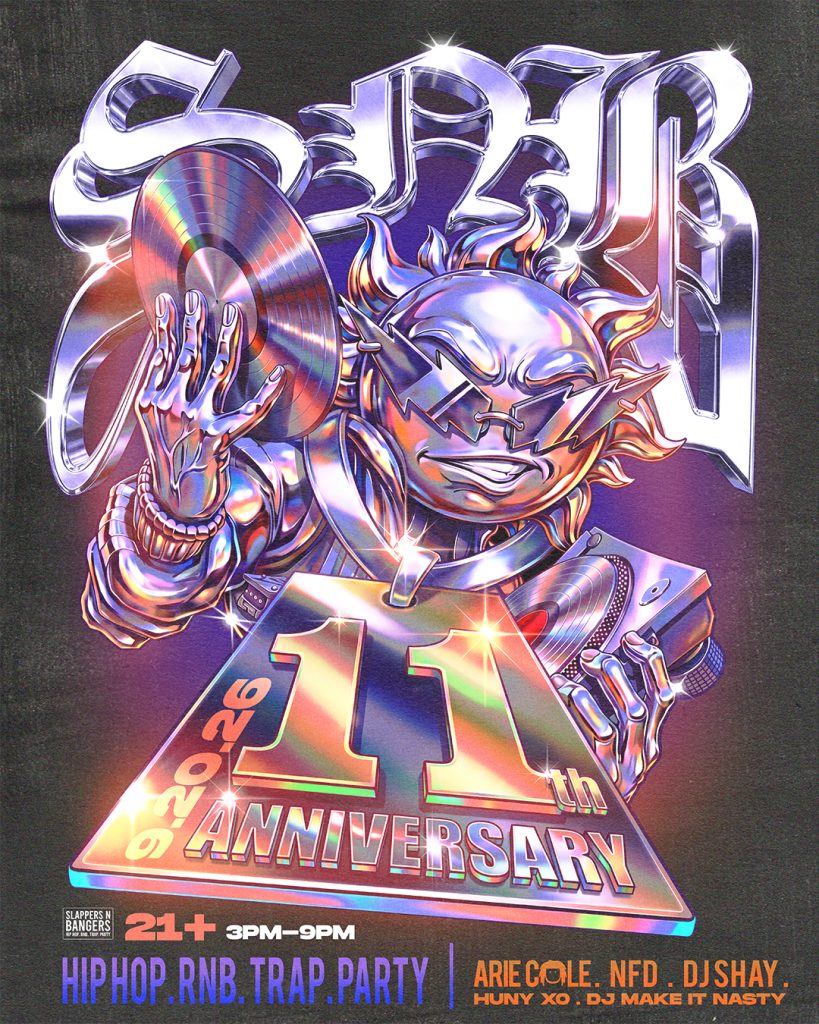
Knowing your rights going in makes buying tickets a lot less stressful, and that’s true whether you’re grabbing a spot at SNB’s 11th Anniversary celebration or checking out August SNB: 400 Degreez. Our refund and credit terms are posted on each event page, so you can read them before you commit, not after something changes.

While you’re there, check out our New and Limited Edition Items, including the Draft Commemorative Tee, a limited run worth grabbing before it’s gone.
- Save your order confirmation and screenshot the event’s policy page when you buy.
- Reach out through the contact info on the event listing if plans change.
- Check the policy terms before you purchase, not after.
Sources
For the federal rule itself, read the FTC’s Rule on Unfair or Deceptive Fees FAQ. For a real-world example of enforcement, see New York’s attorney general securing $4.4 million in refunds from organizers who tried pushing credits instead.
- Attorney General James secures $4.4 million in refunds for customers who had events canceled or postponed
- Rule on Unfair or Deceptive Fees: Frequently asked questions | Federal Trade Commission
FAQ
Are cancelled concert tickets automatically refunded?
Not automatically, but you’re generally entitled to request one. Federal rules require sellers to disclose refund terms truthfully, and state enforcement, including New York’s $4.4 million recovery, shows refunds are recoverable even when organizers initially push credits.
What’s the difference between a postponed and cancelled event for refunds?
A cancelled event has no future date and typically entitles you to a cash refund. A postponed event usually comes with a rescheduled date and often means the organizer offers credit instead, at least until that new date is also cancelled.
Can a ticket seller force me to accept credit instead of a refund?
Sellers can offer credit, but the FTC’s Rule on Unfair or Deceptive Fees requires honest disclosure about refundability before purchase. If a seller misrepresented your refund rights, you can dispute the charge or file a complaint with your state attorney general.
Does Slappers N Bangers offer refunds or credits for cancelled shows?
Slappers N Bangers posts refund and credit terms on each event listing before purchase. Cancelled shows are generally handled with cash refunds, while postponed shows typically come with credit toward the rescheduled date.
What should I save in case my event gets cancelled or postponed?
Keep your order confirmation, receipt, and order number, and screenshot the seller’s refund policy as it appears at purchase. These records matter if you need to dispute a charge or file a complaint later.